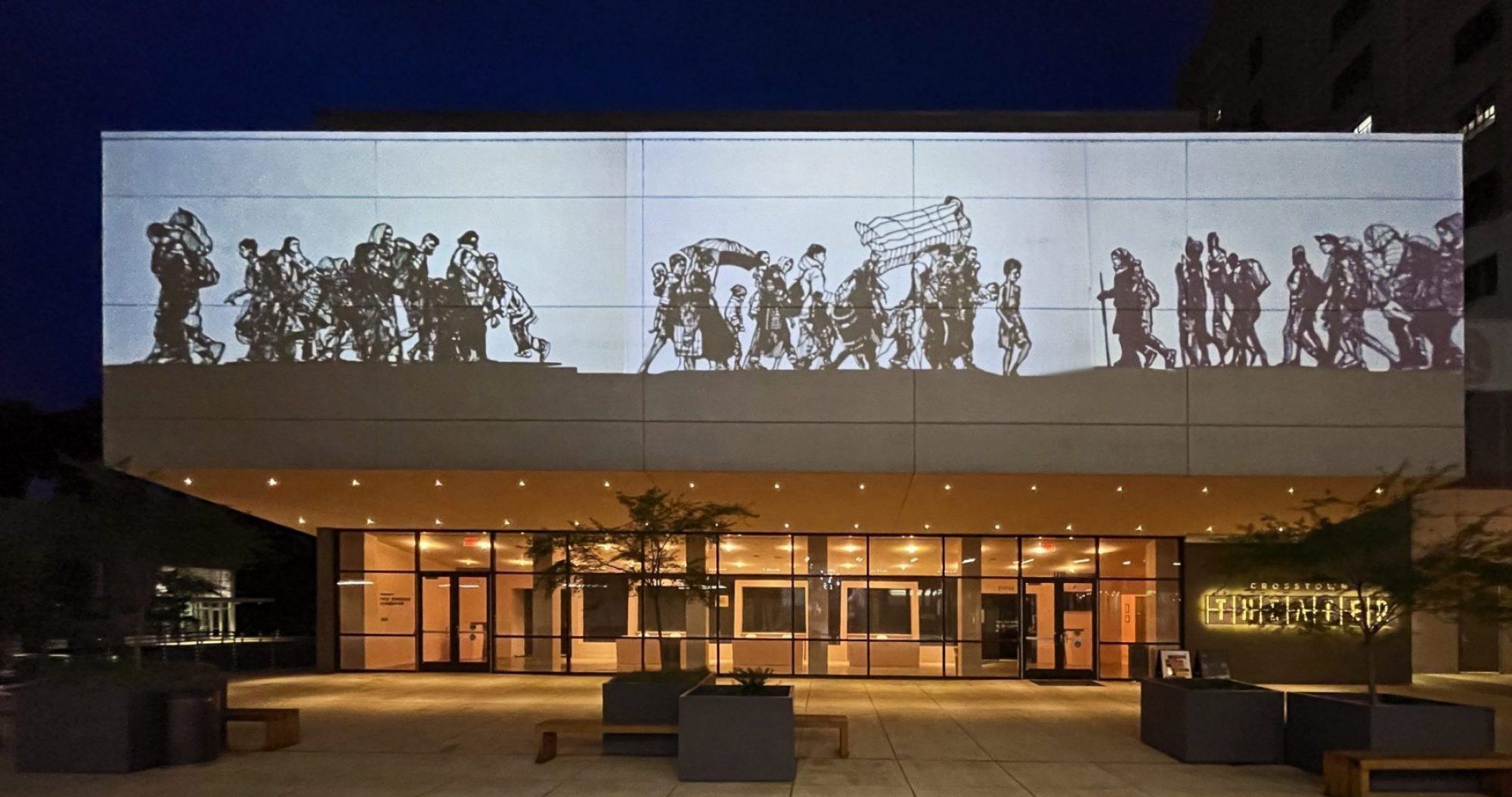

A Journey into the Shadows. 2022-2026
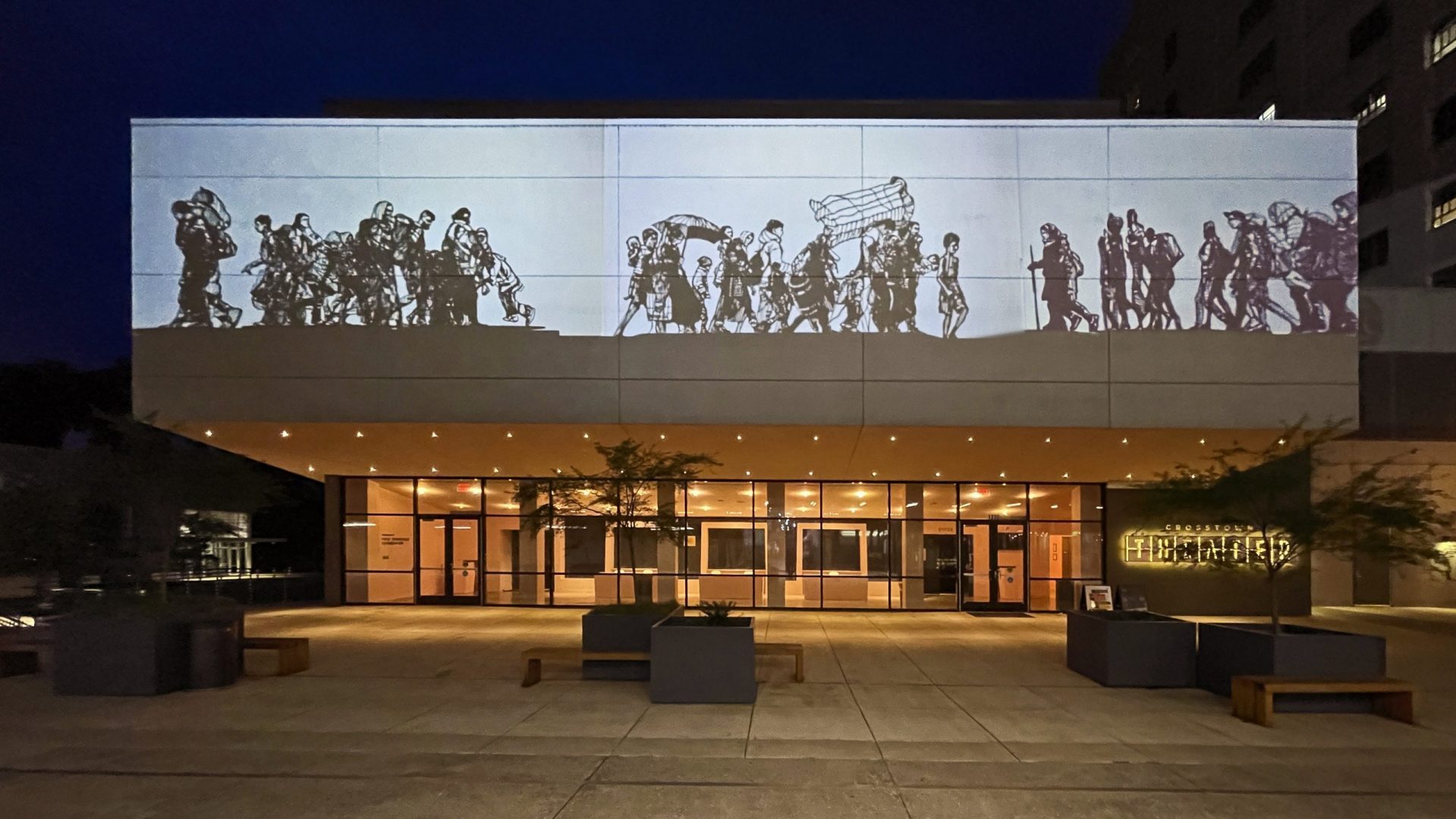
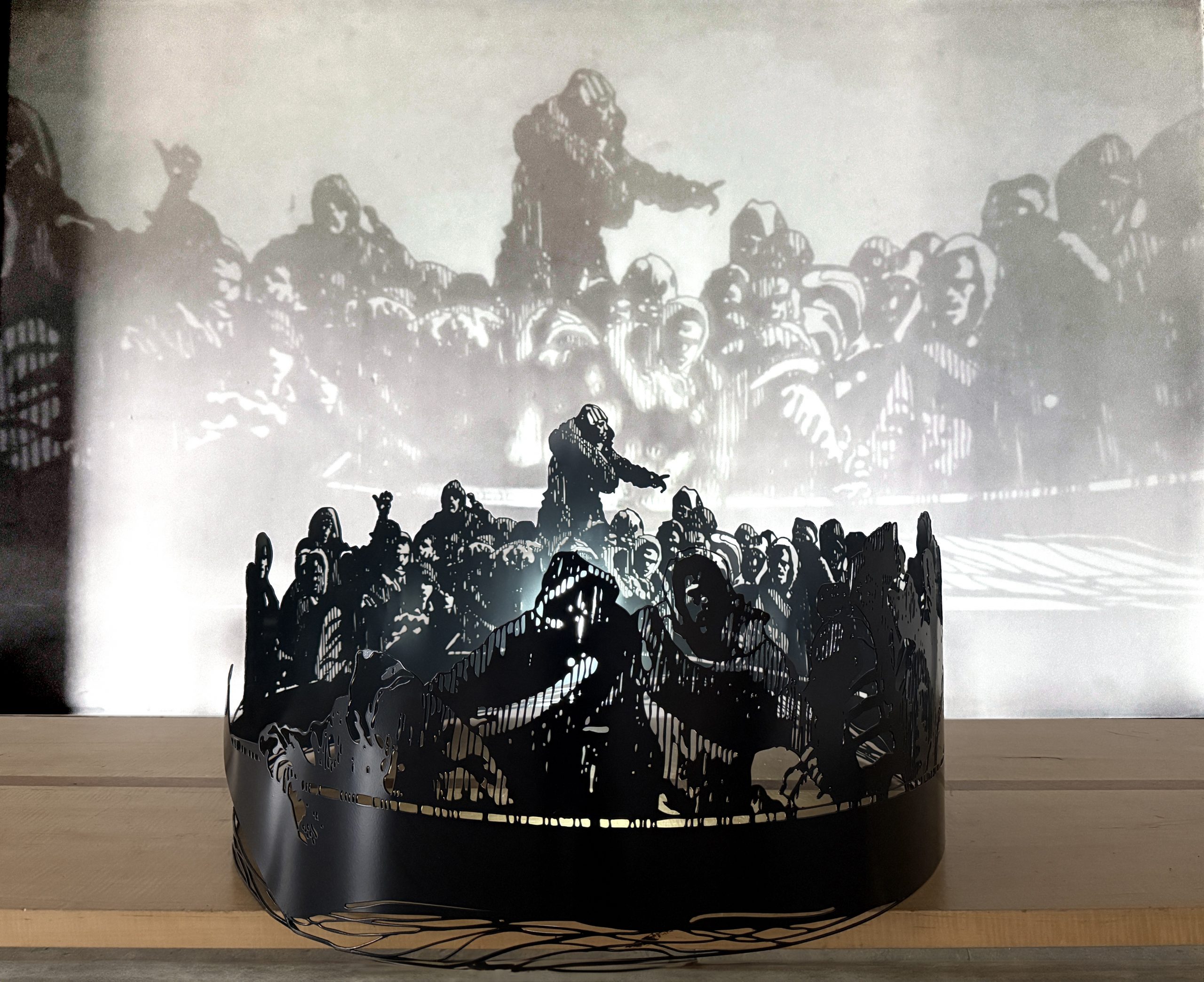
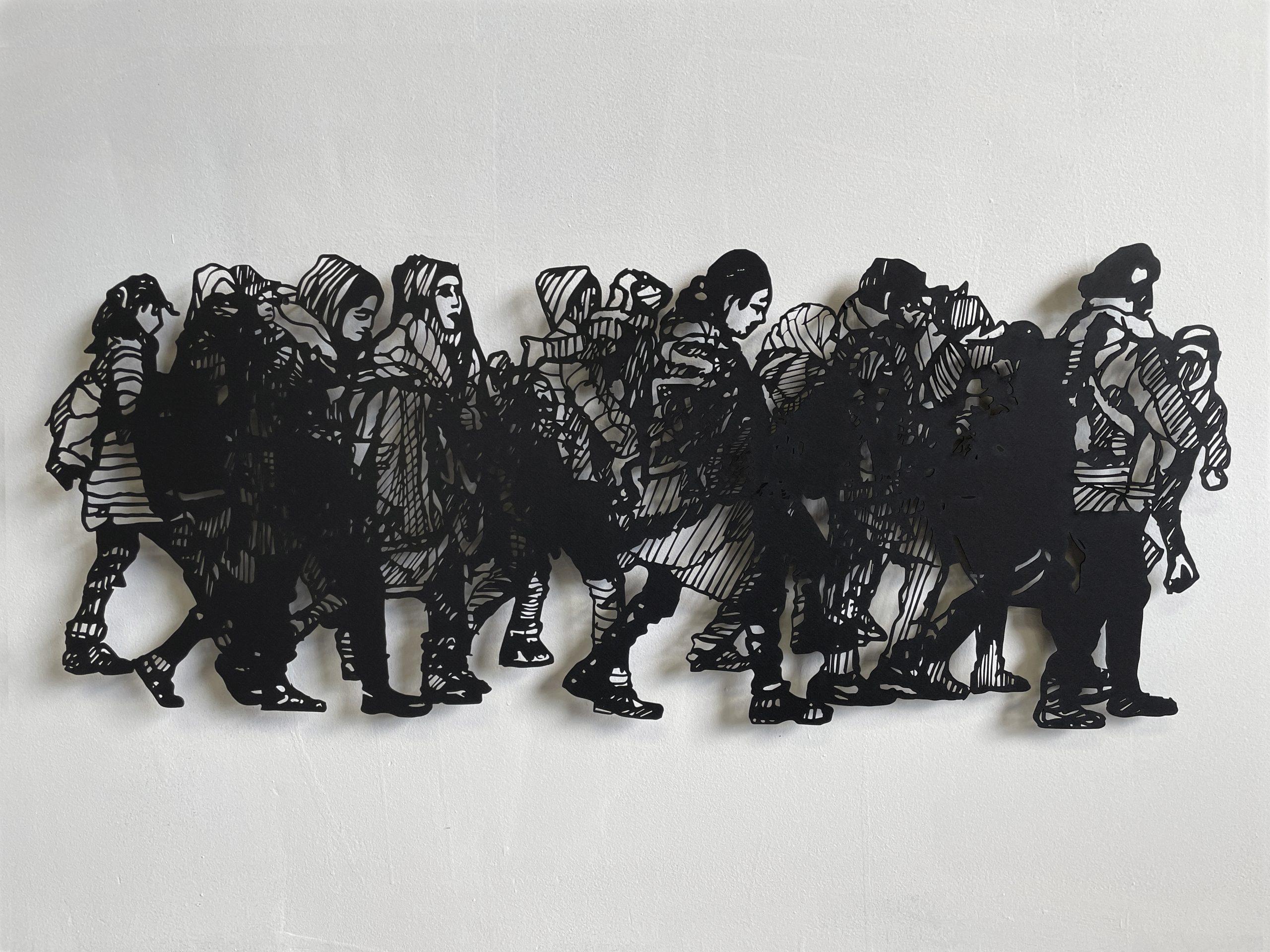

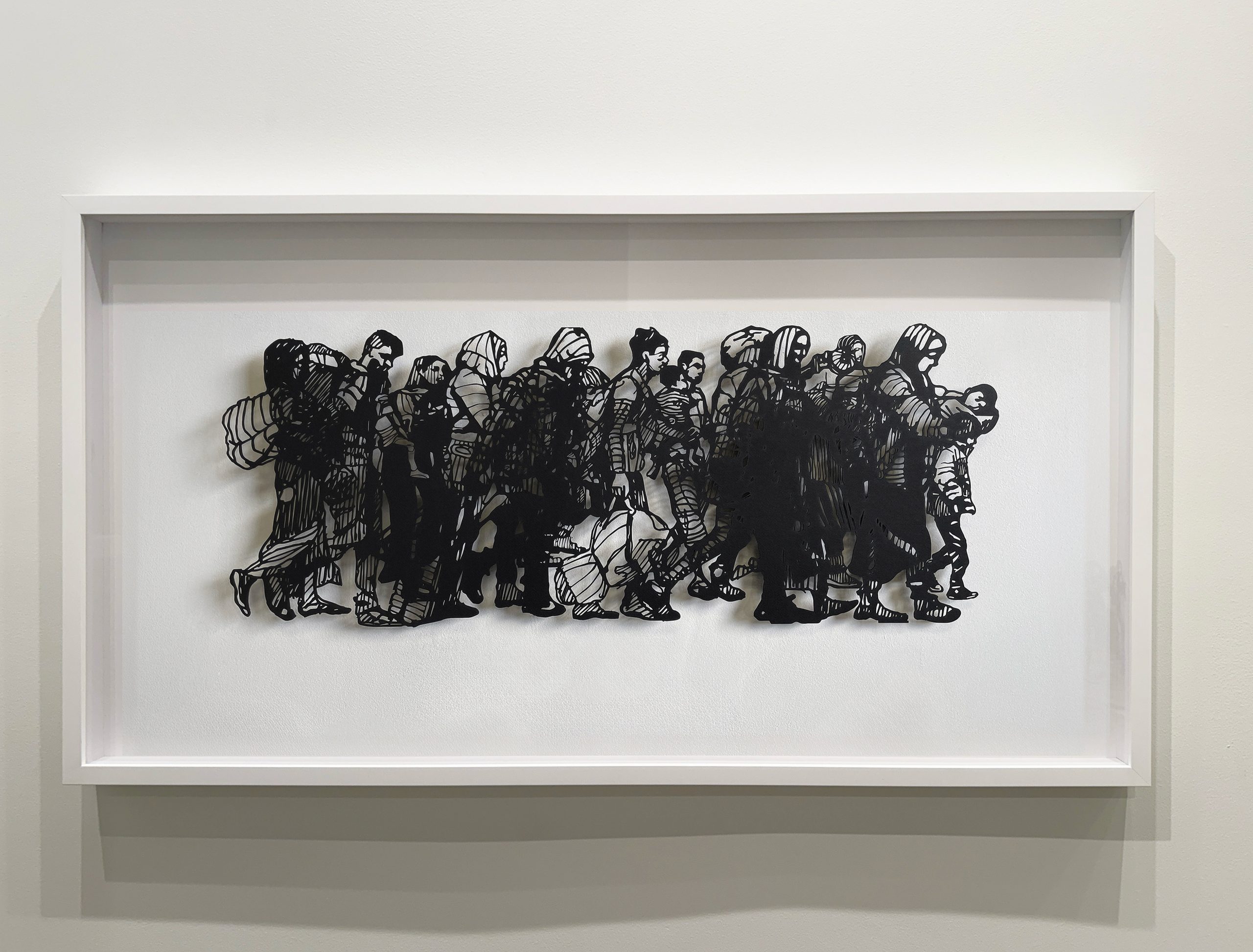
Laser cut mat board, plexiglass and wood. 28×52 in.
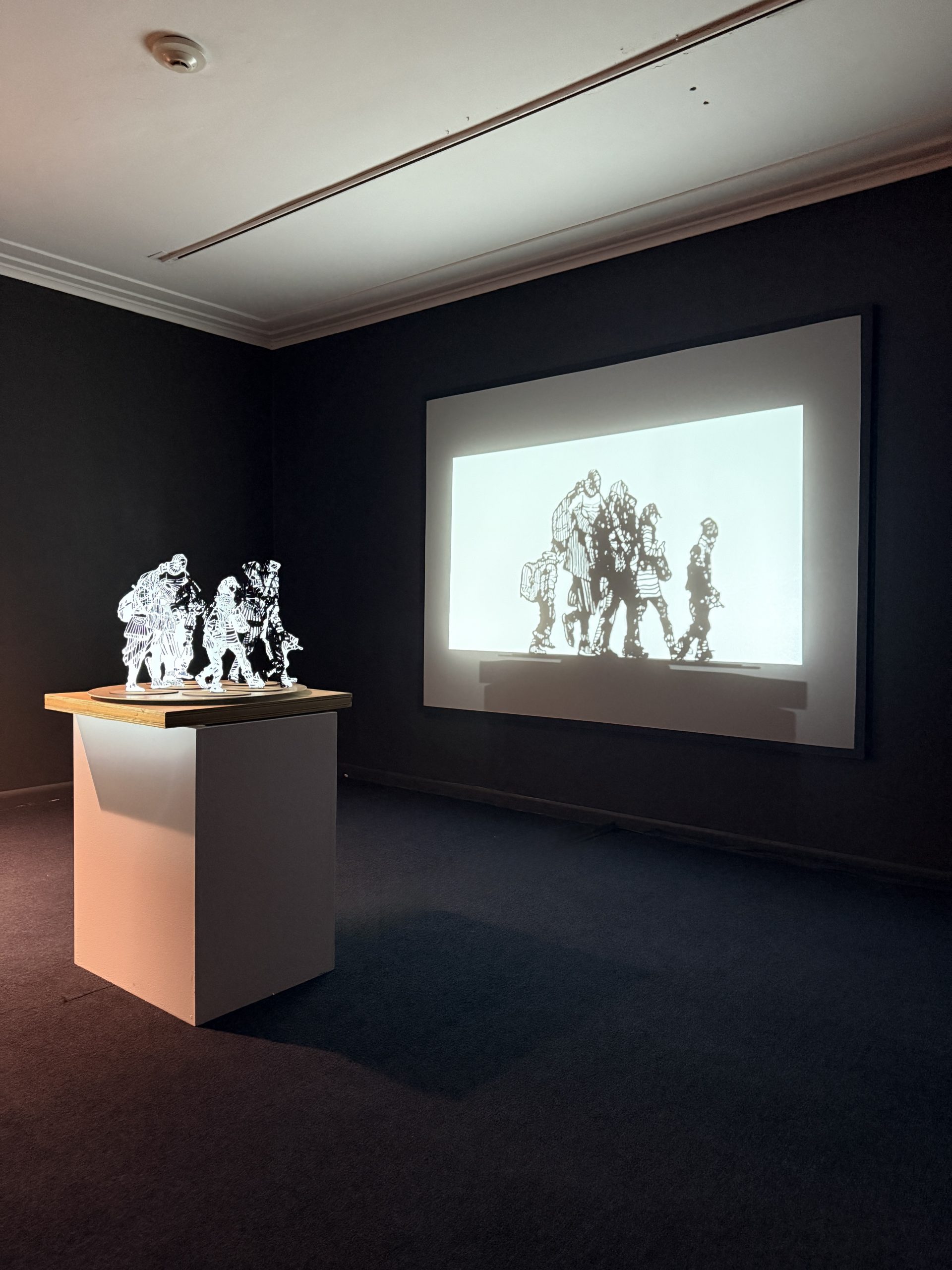
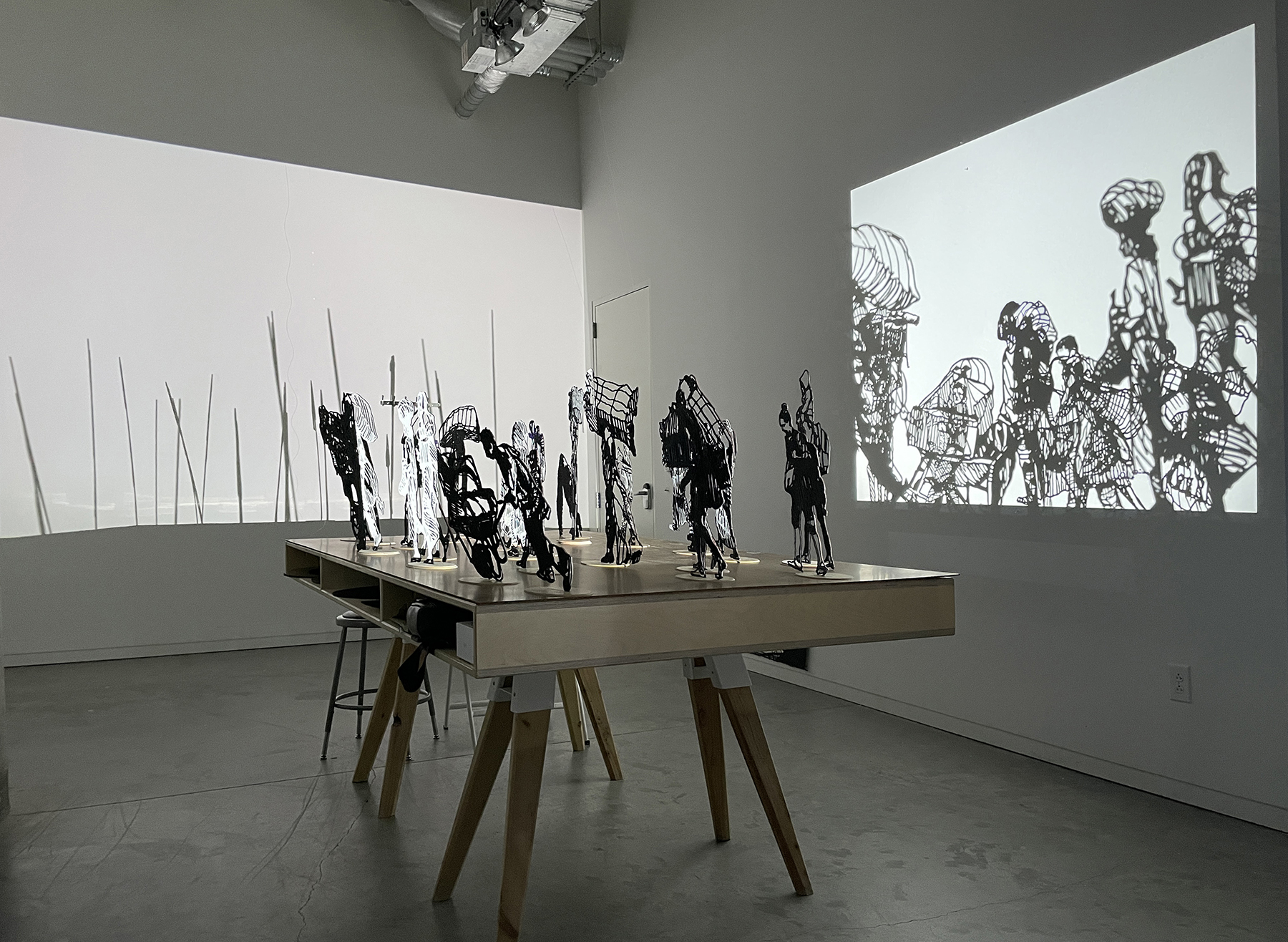
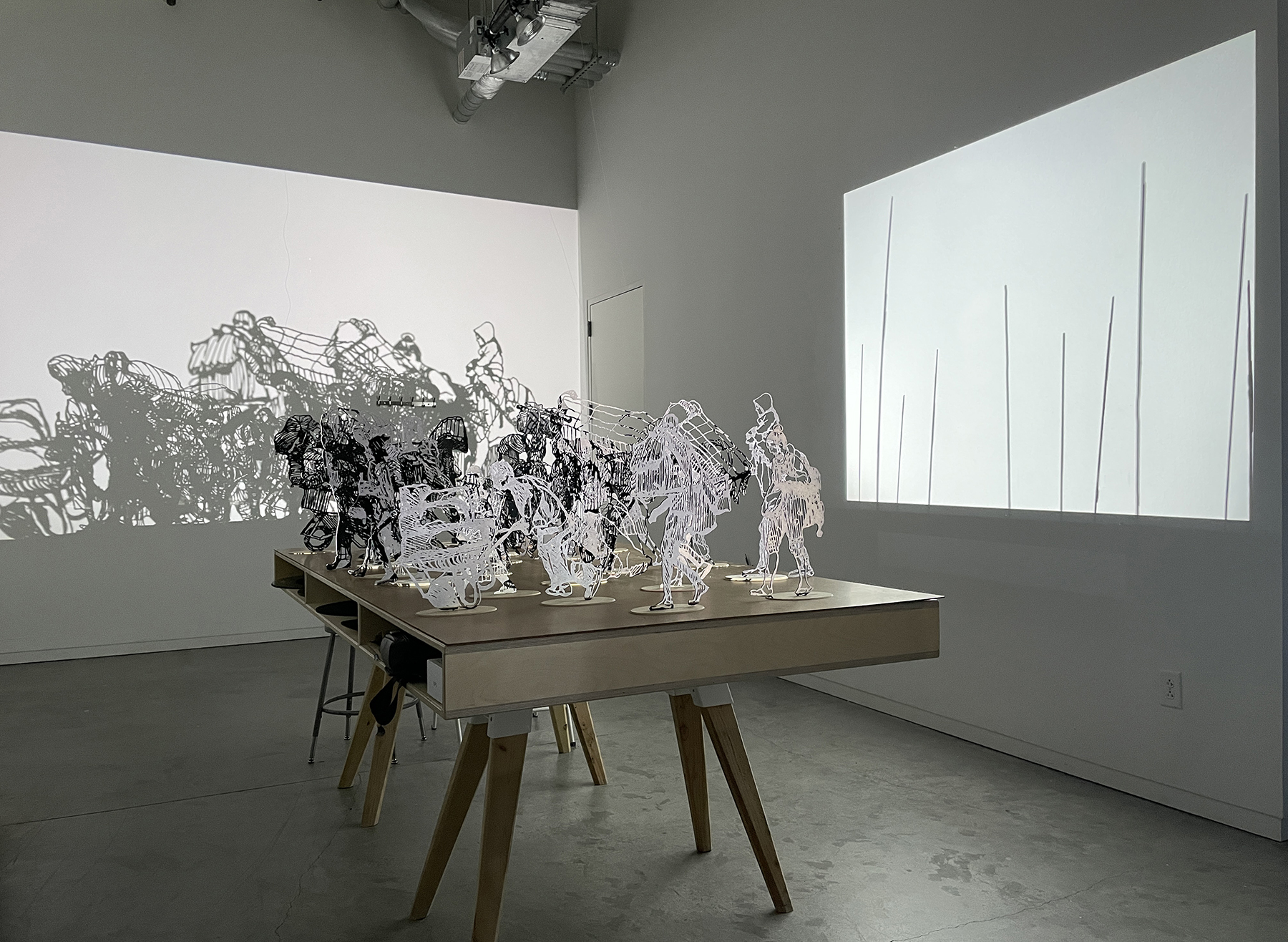
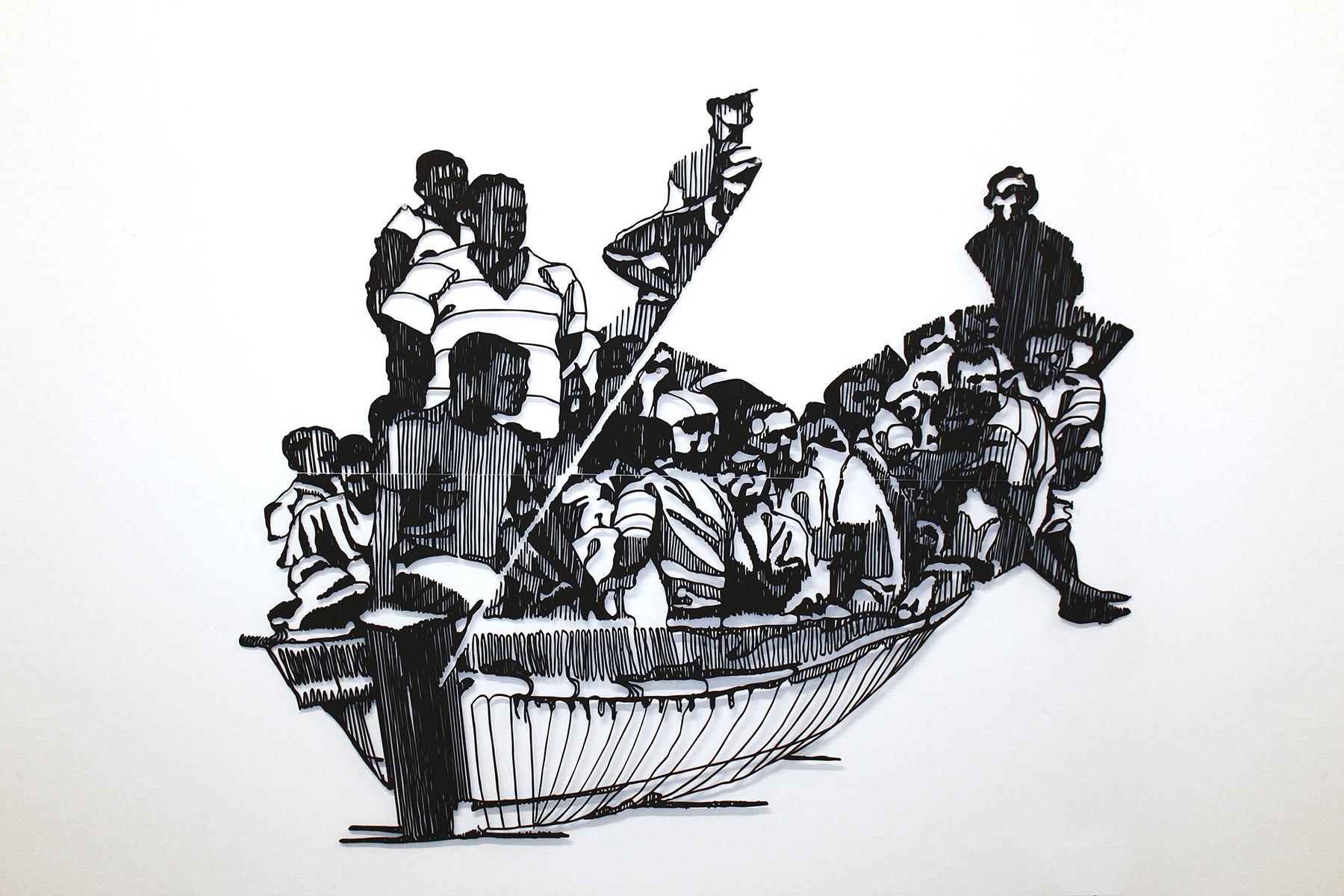
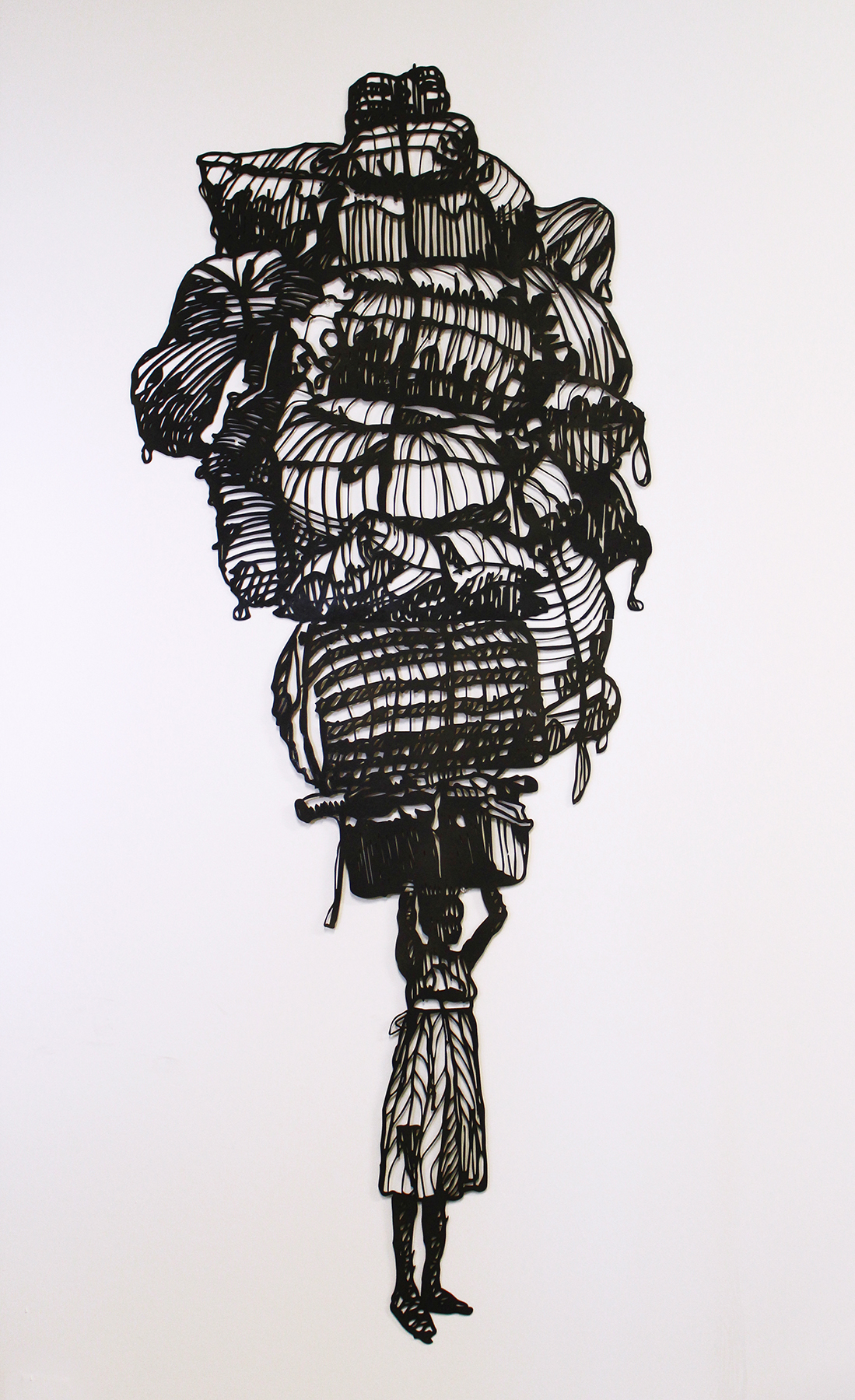
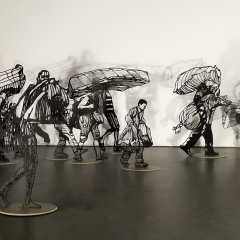
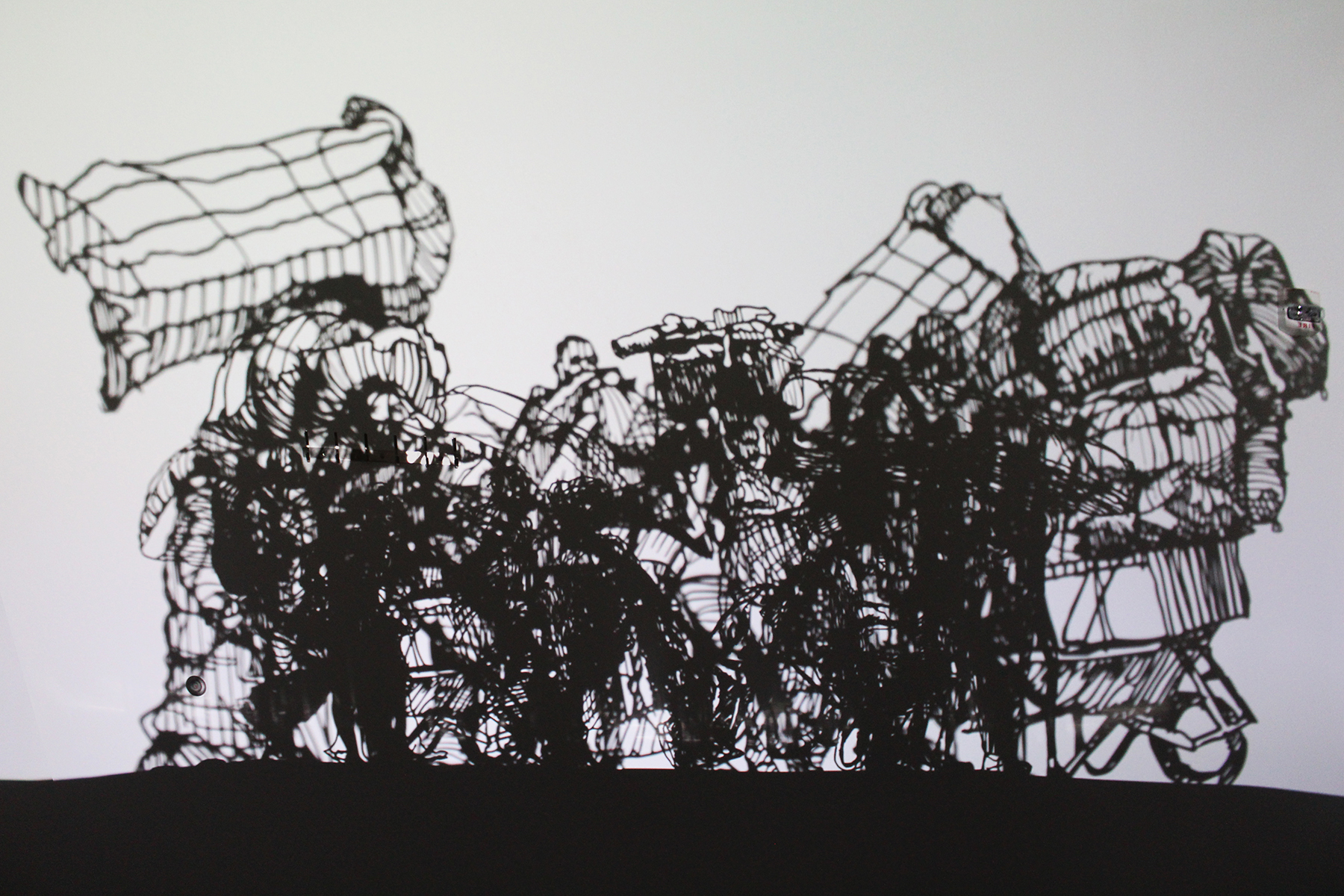
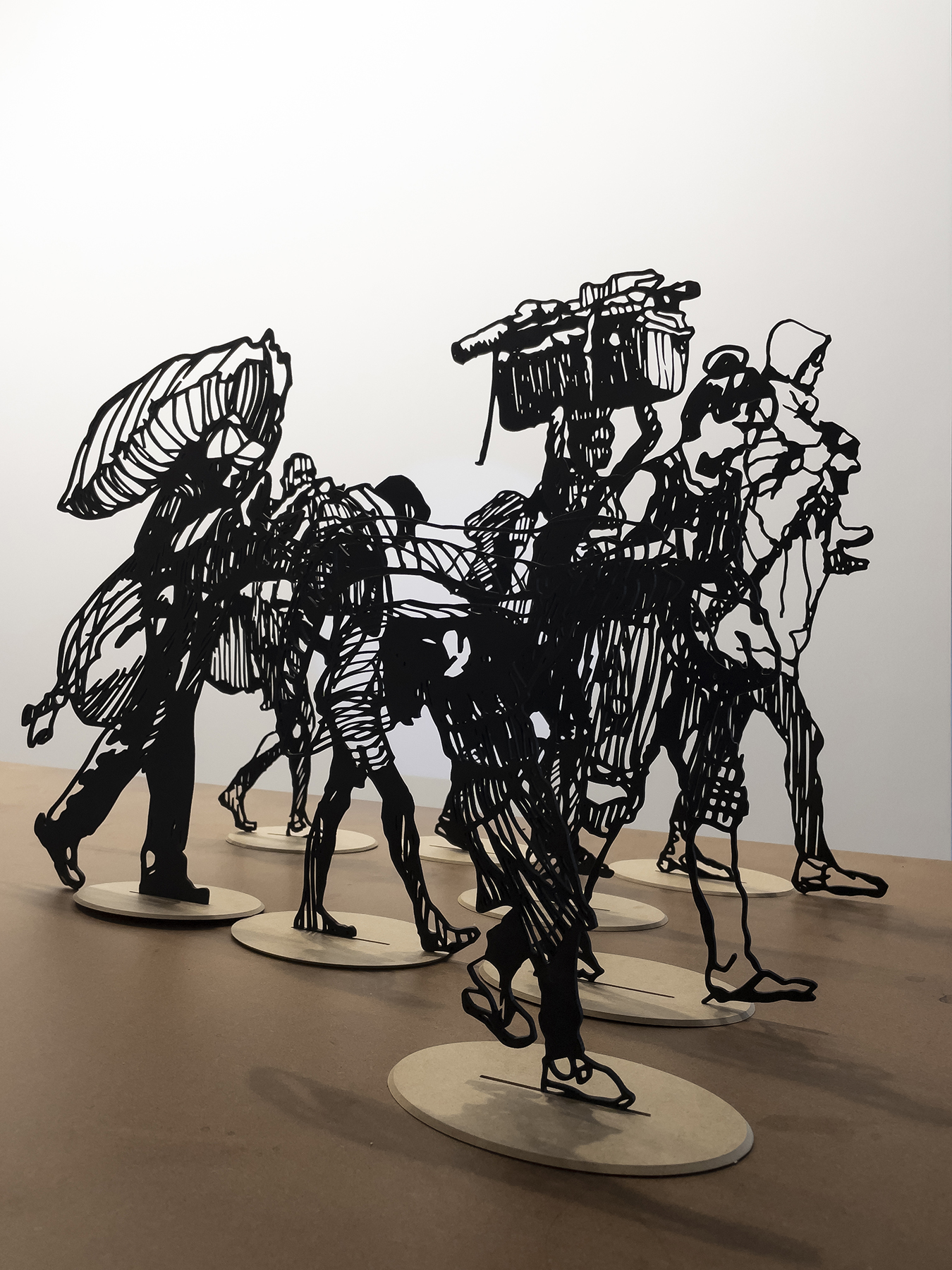
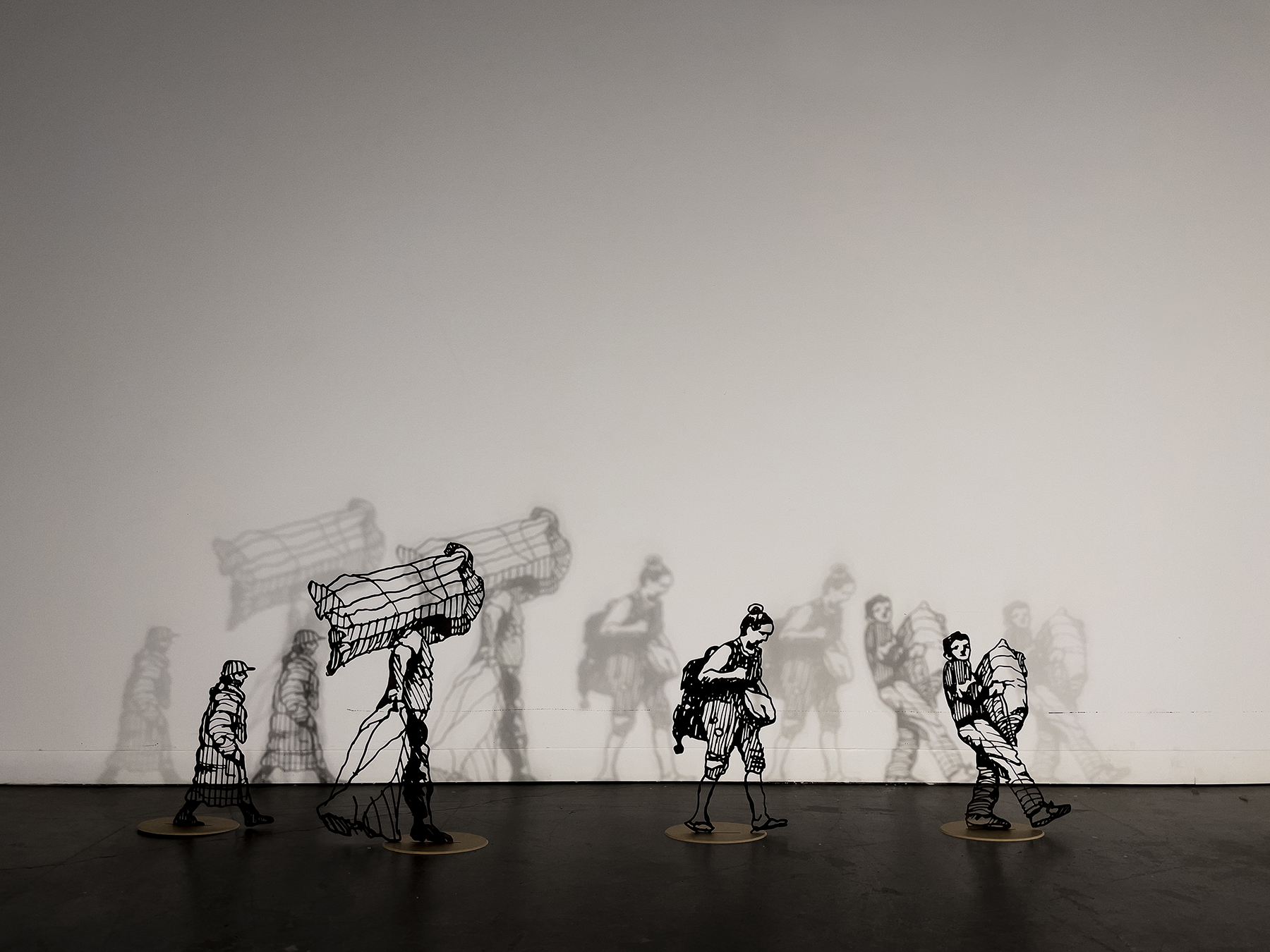
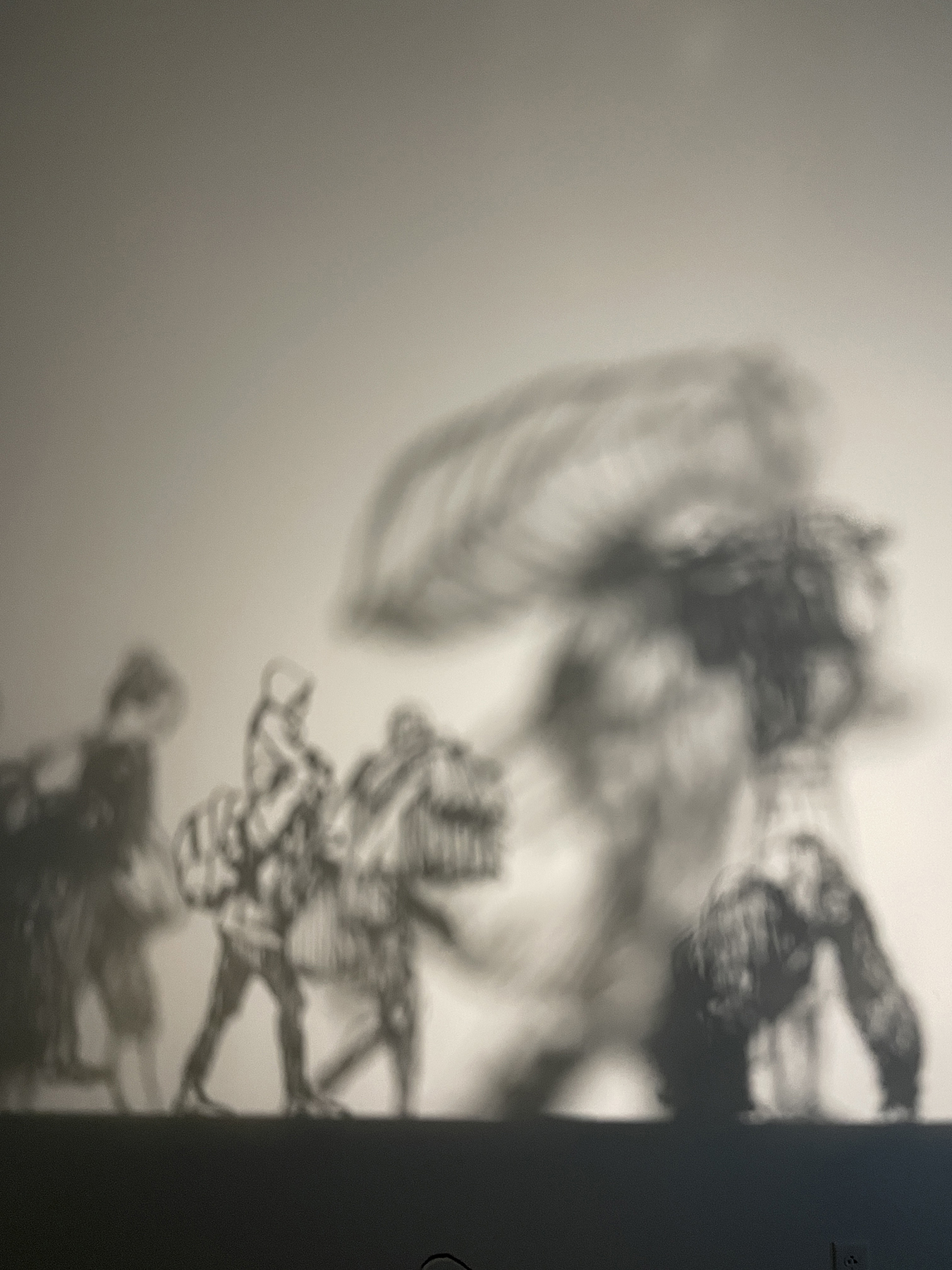
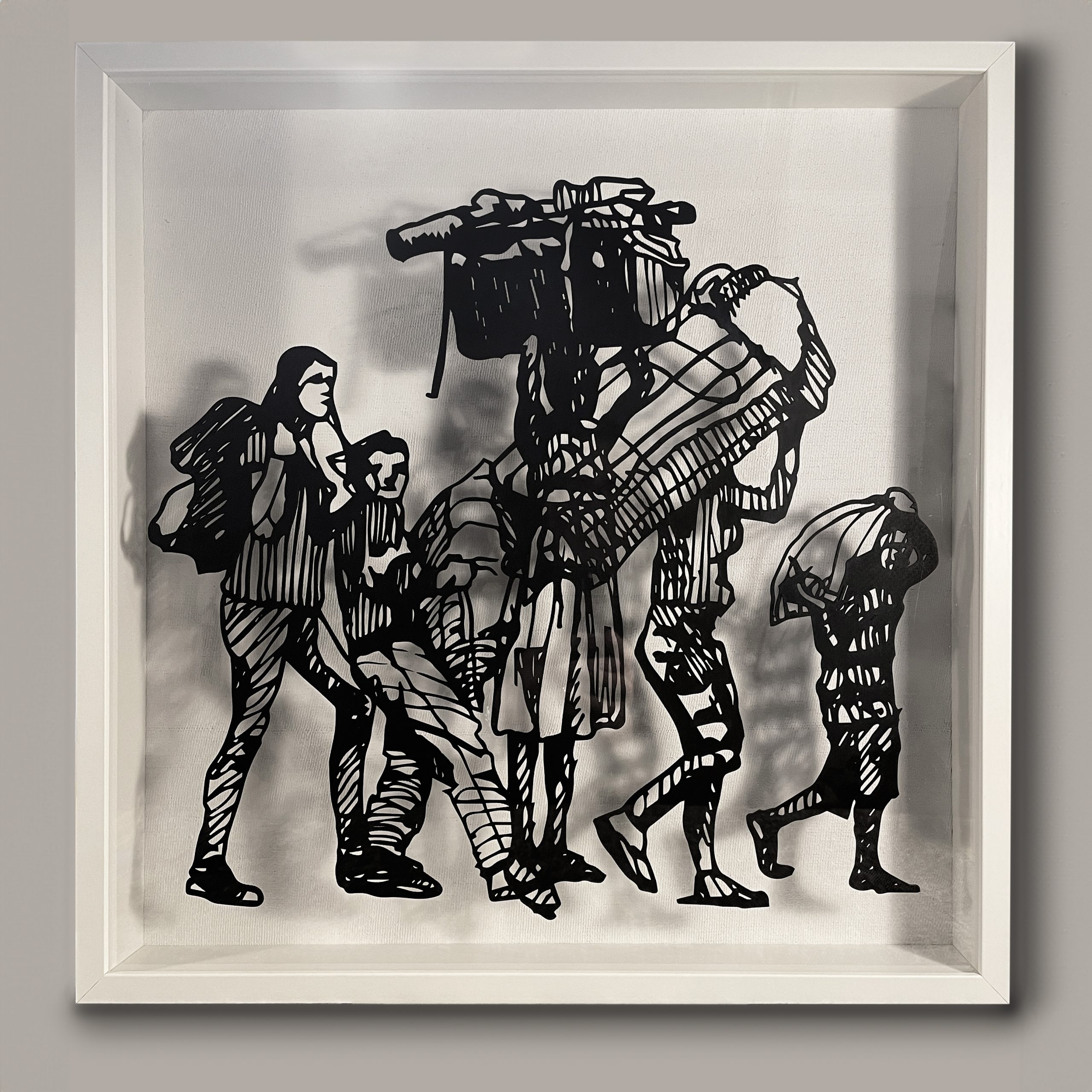
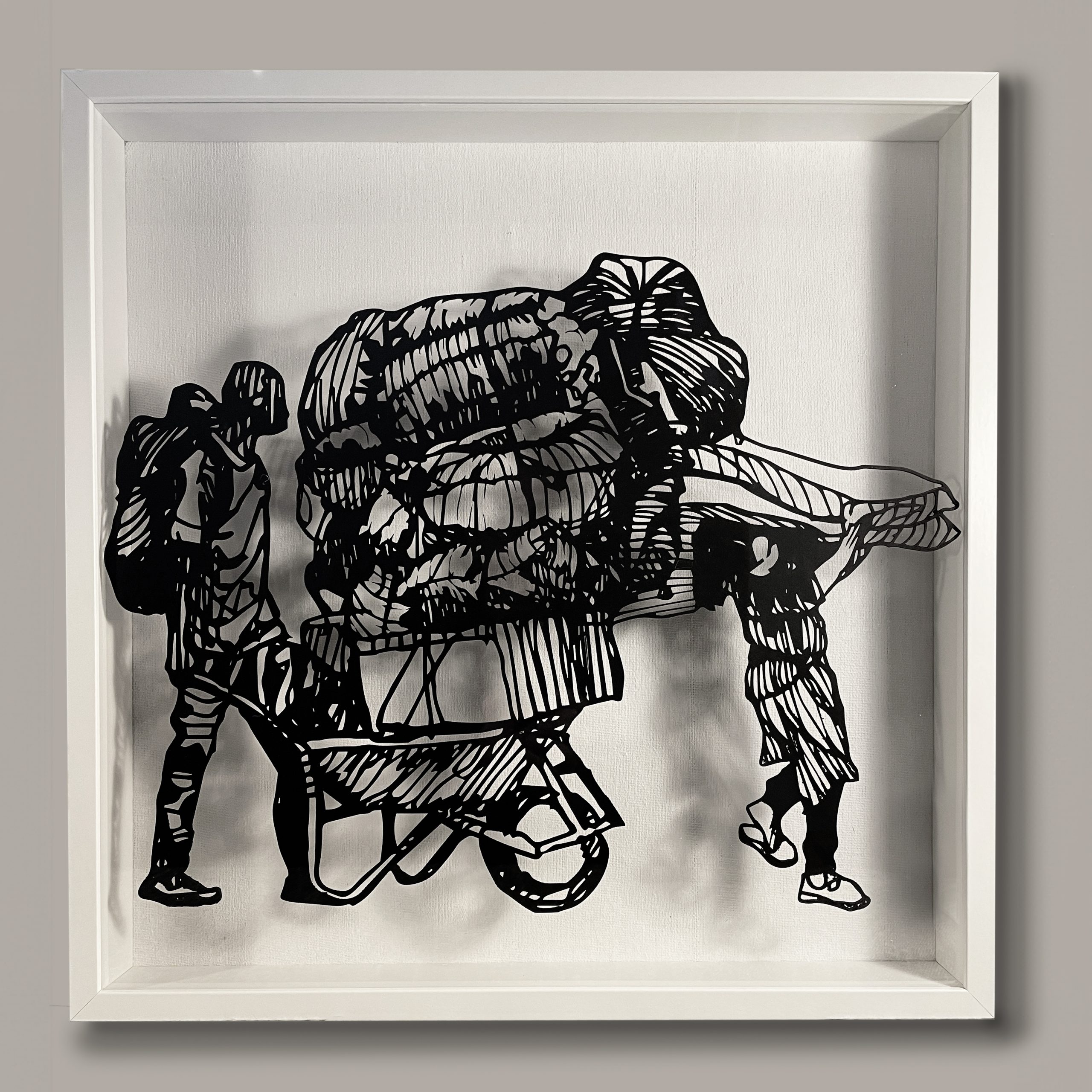
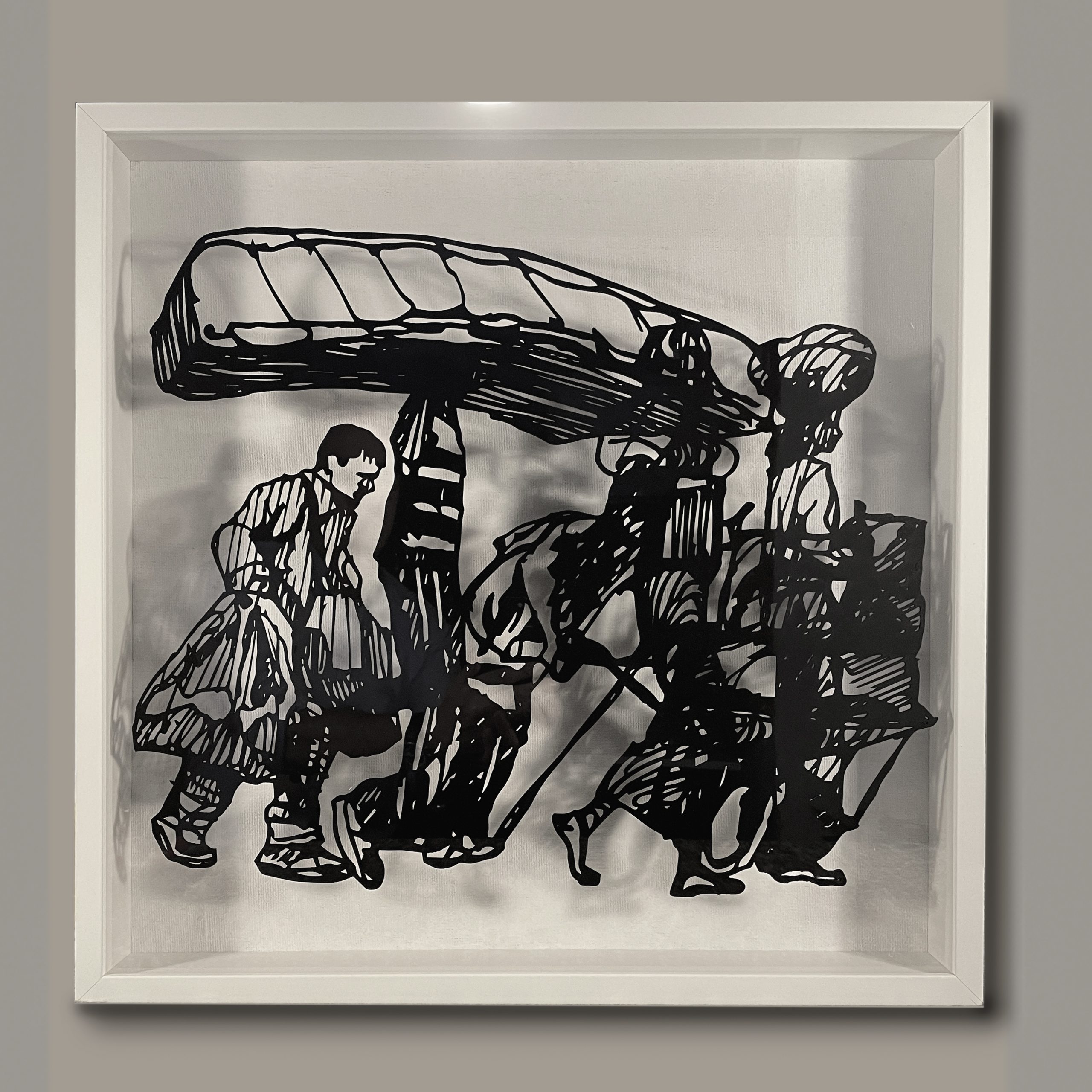
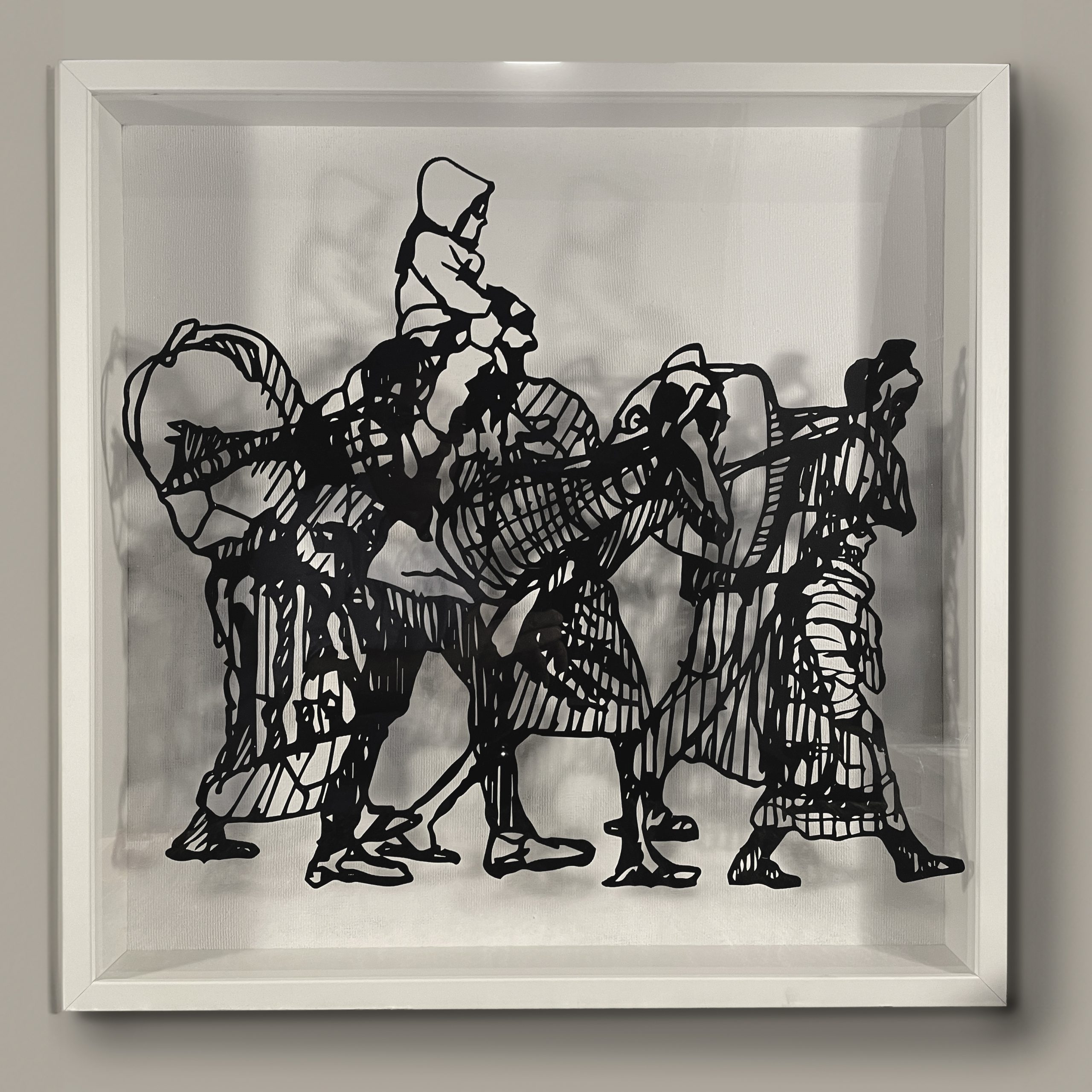
Based on forced displacement and immigration and using tridimensional cutout drawings and different sources of light and shadows, this body of work is an exploration into the practice of drawing, addressing this practice in ways that expand its traditional limits.
Using formal elements of drawing, the 3D works depict walking individuals, which with lights, cast overlapping shadows that create masses of unrecognizable crowds, presenting a flexible, alternative world that can be modified, drawn and redrawn.
A Journey into the Shadows uses Plato’s “Allegory of the Cave” as a concept devised by the philosopher to think deeply about the nature of belief versus knowledge. It urges us to look beyond, to see the light, to free ourselves from the darkness, and to help others in this process.
Memories Past and Present. 2021
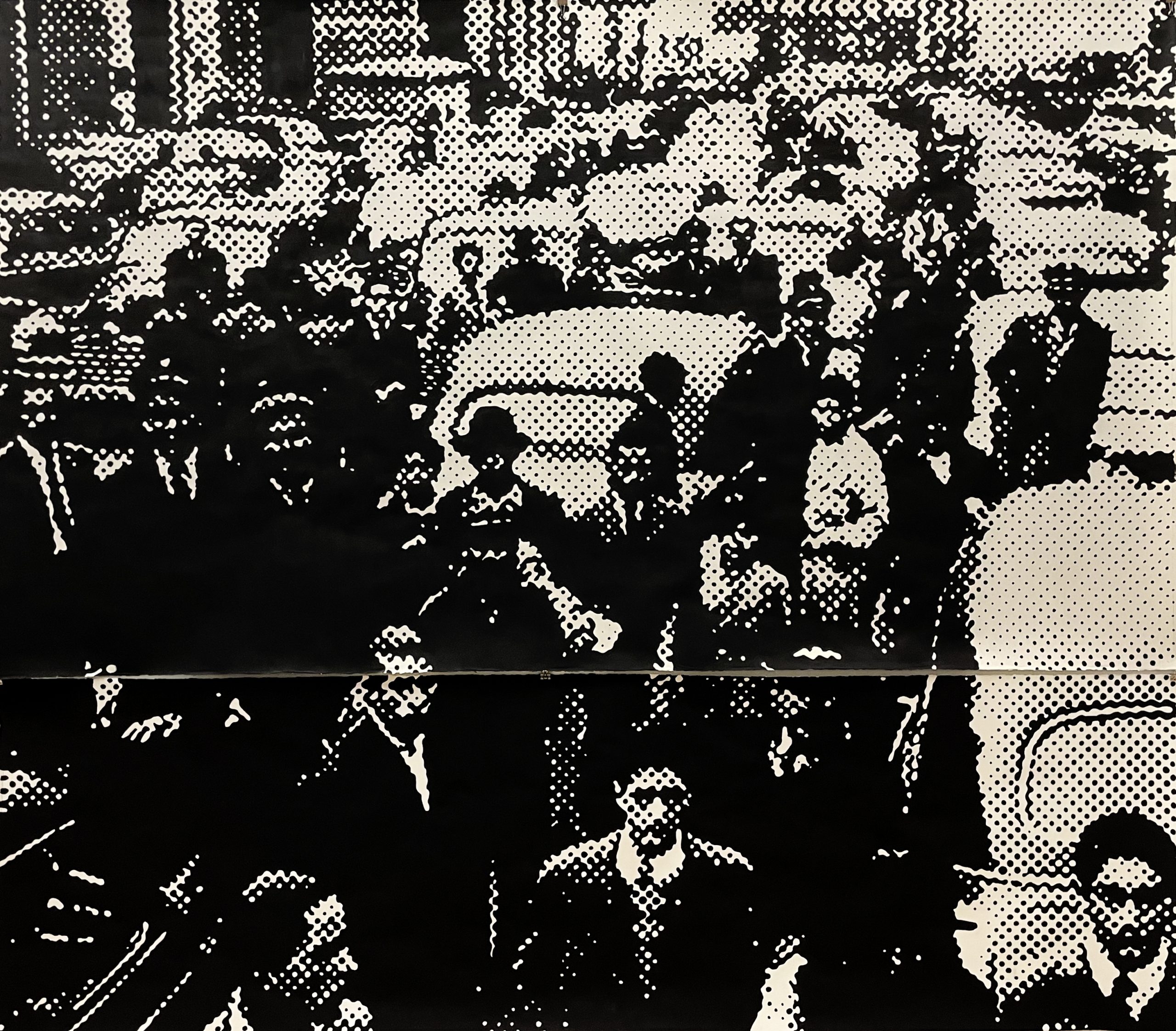
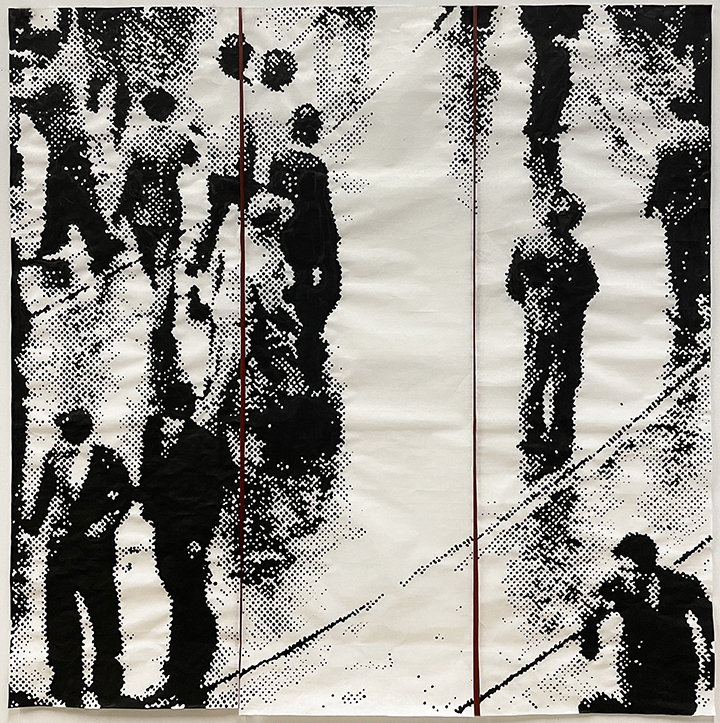
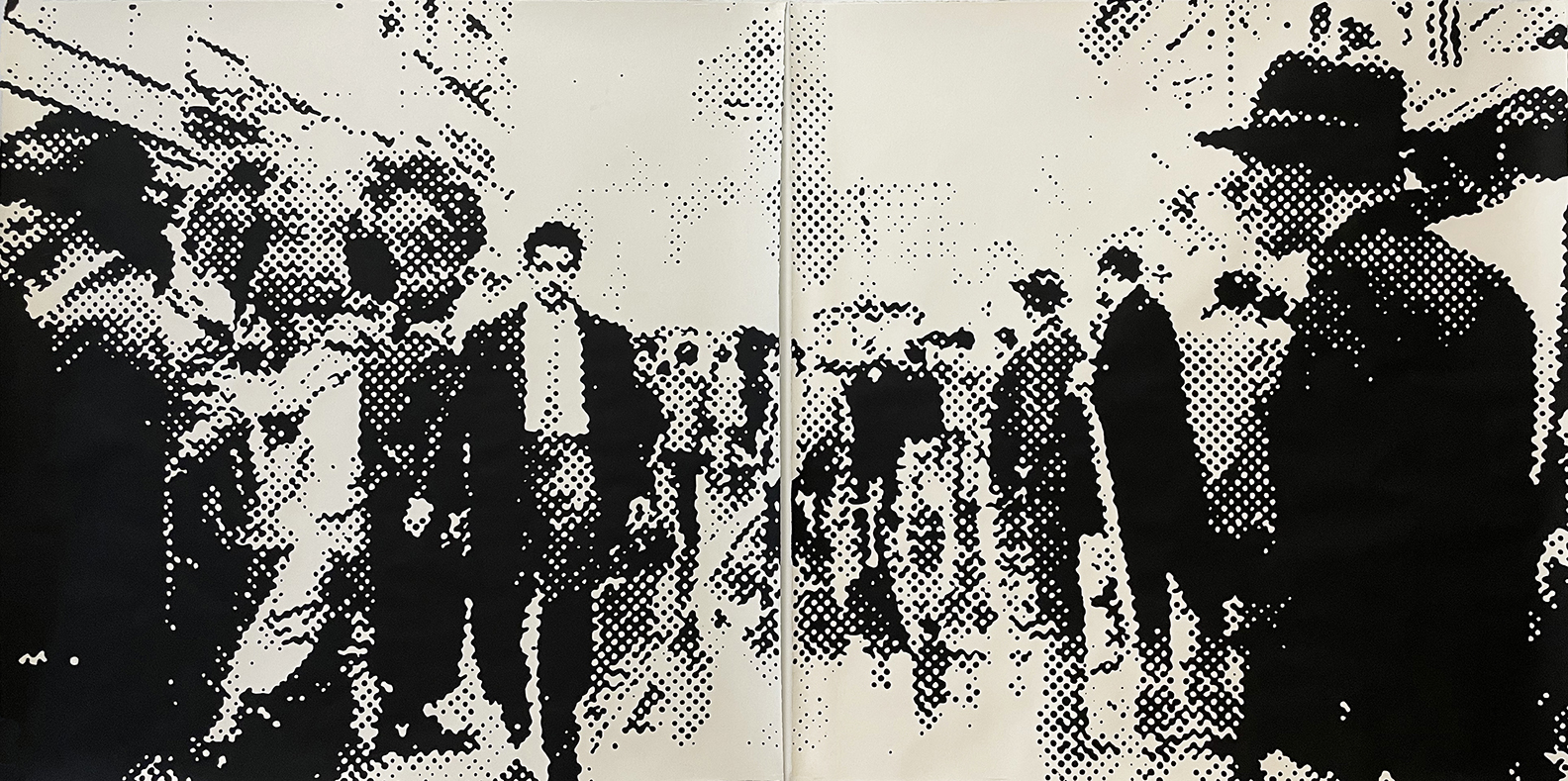
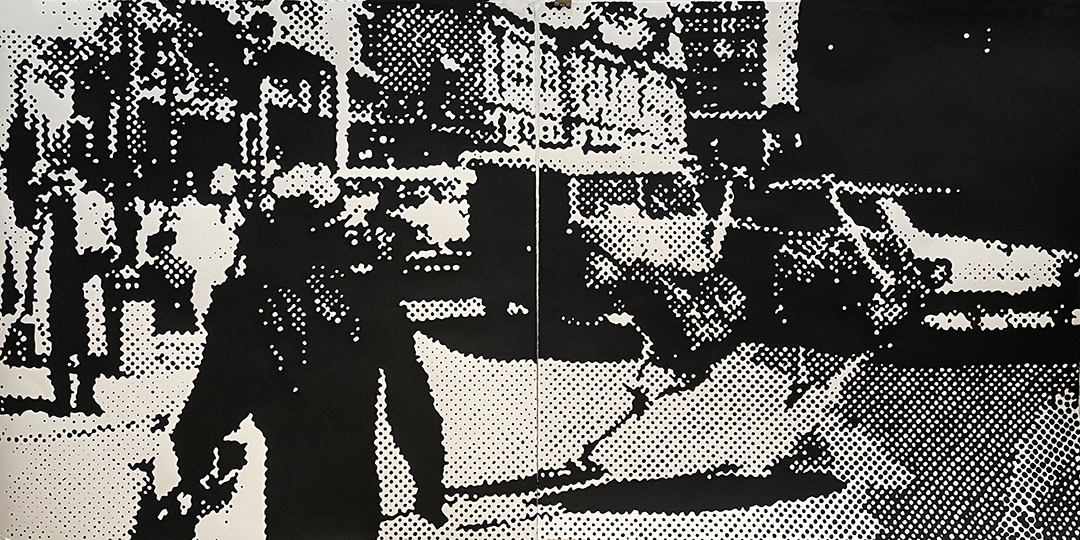
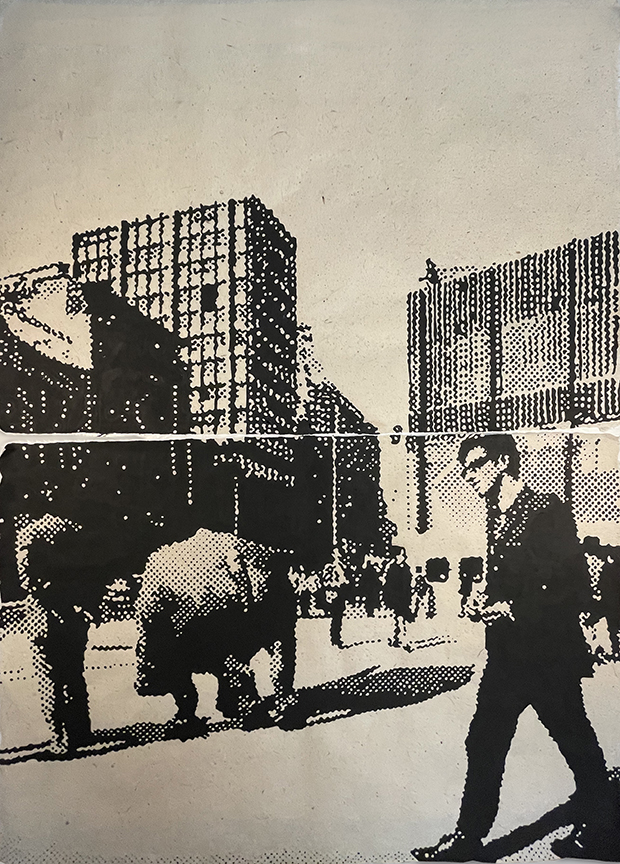
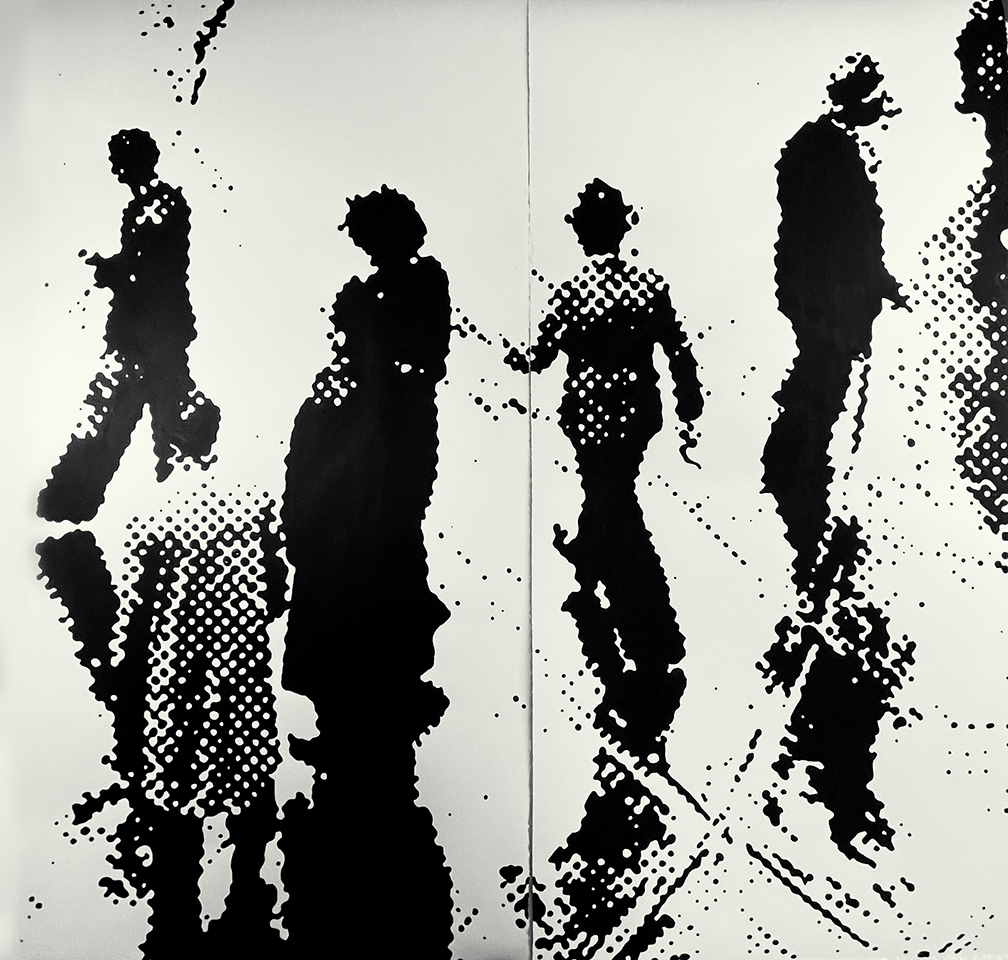
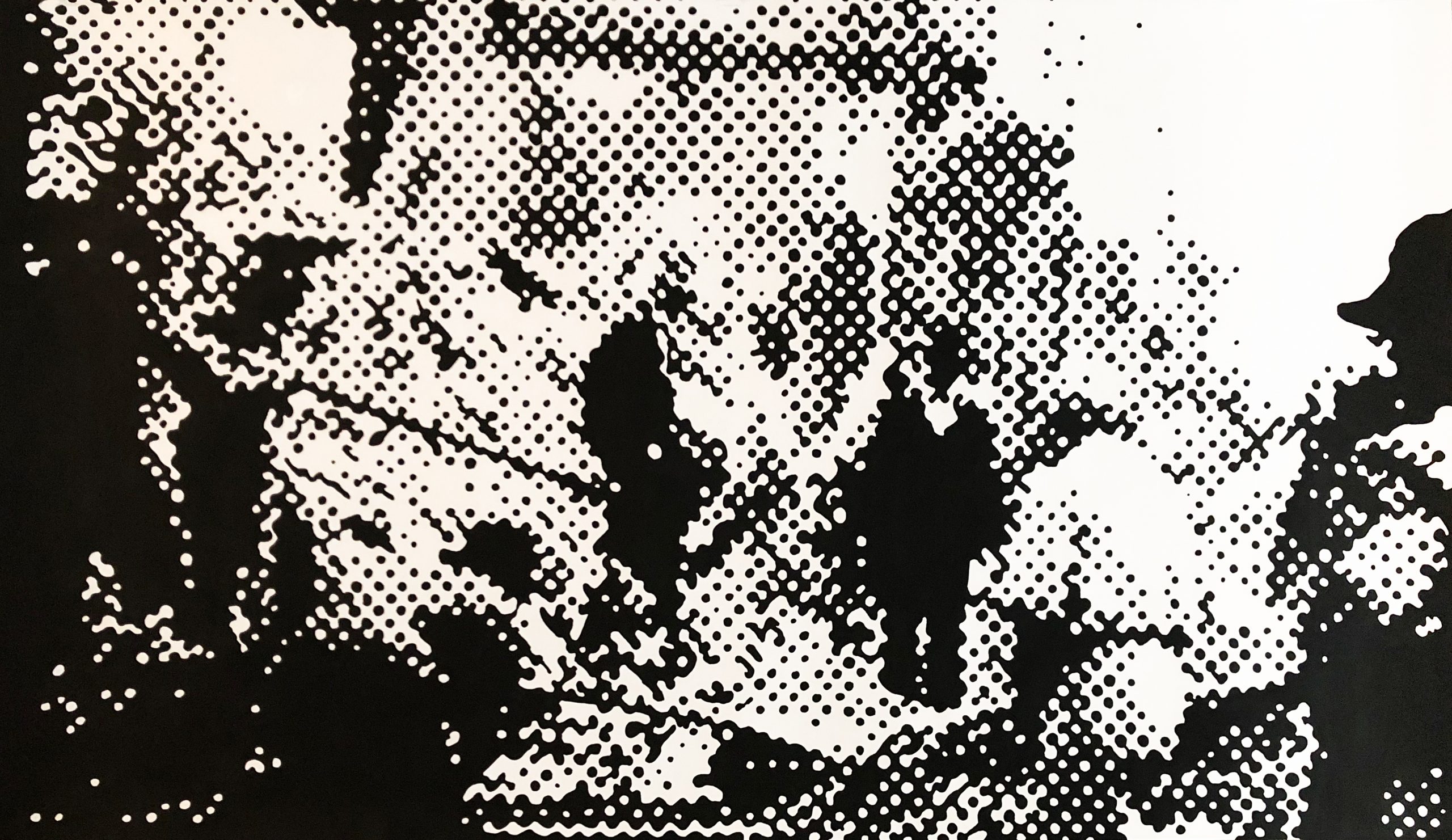
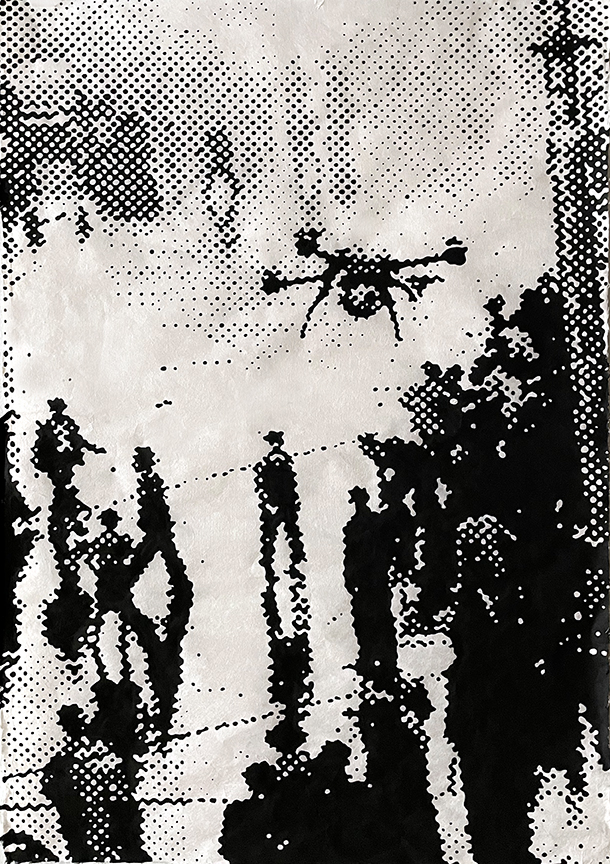
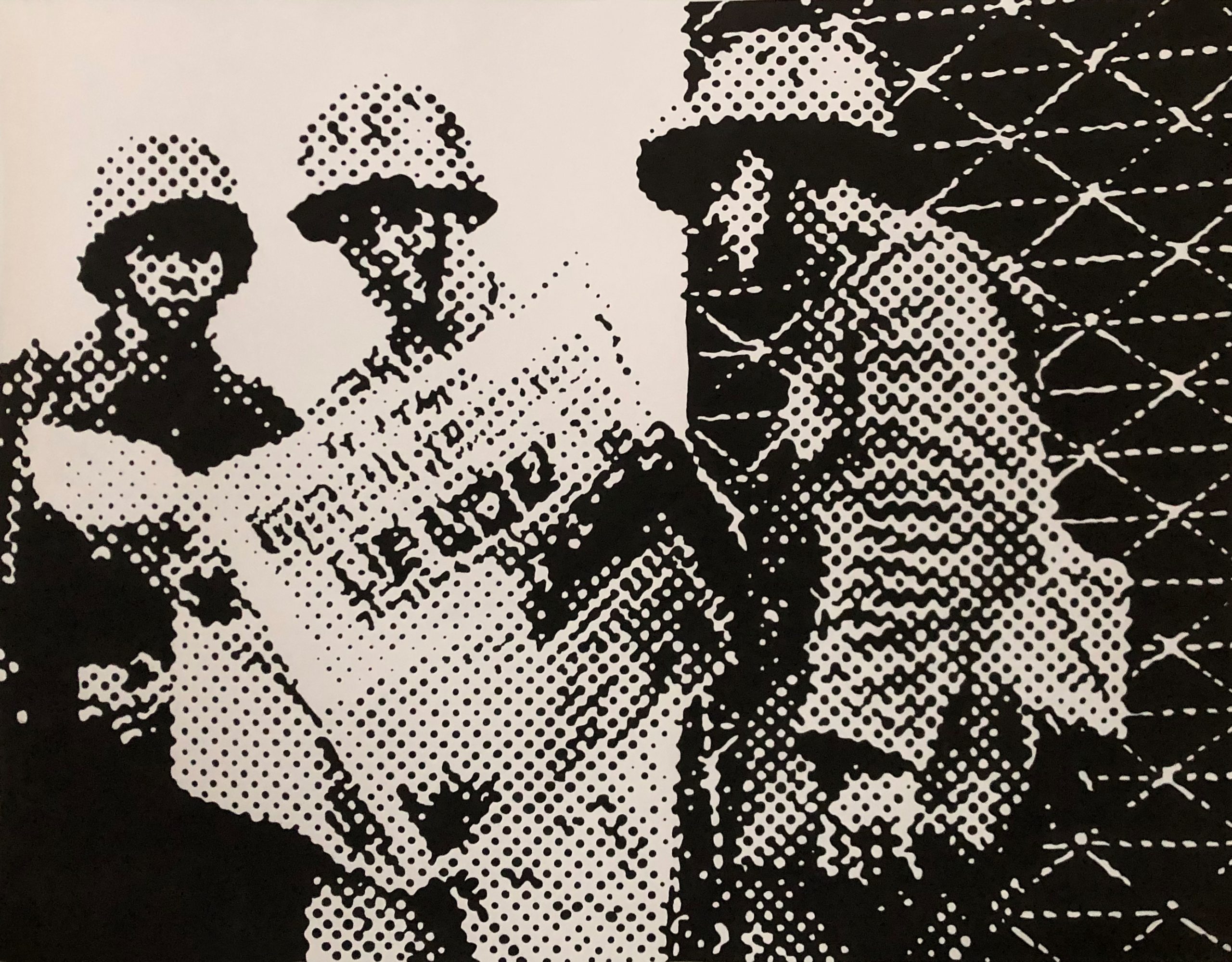
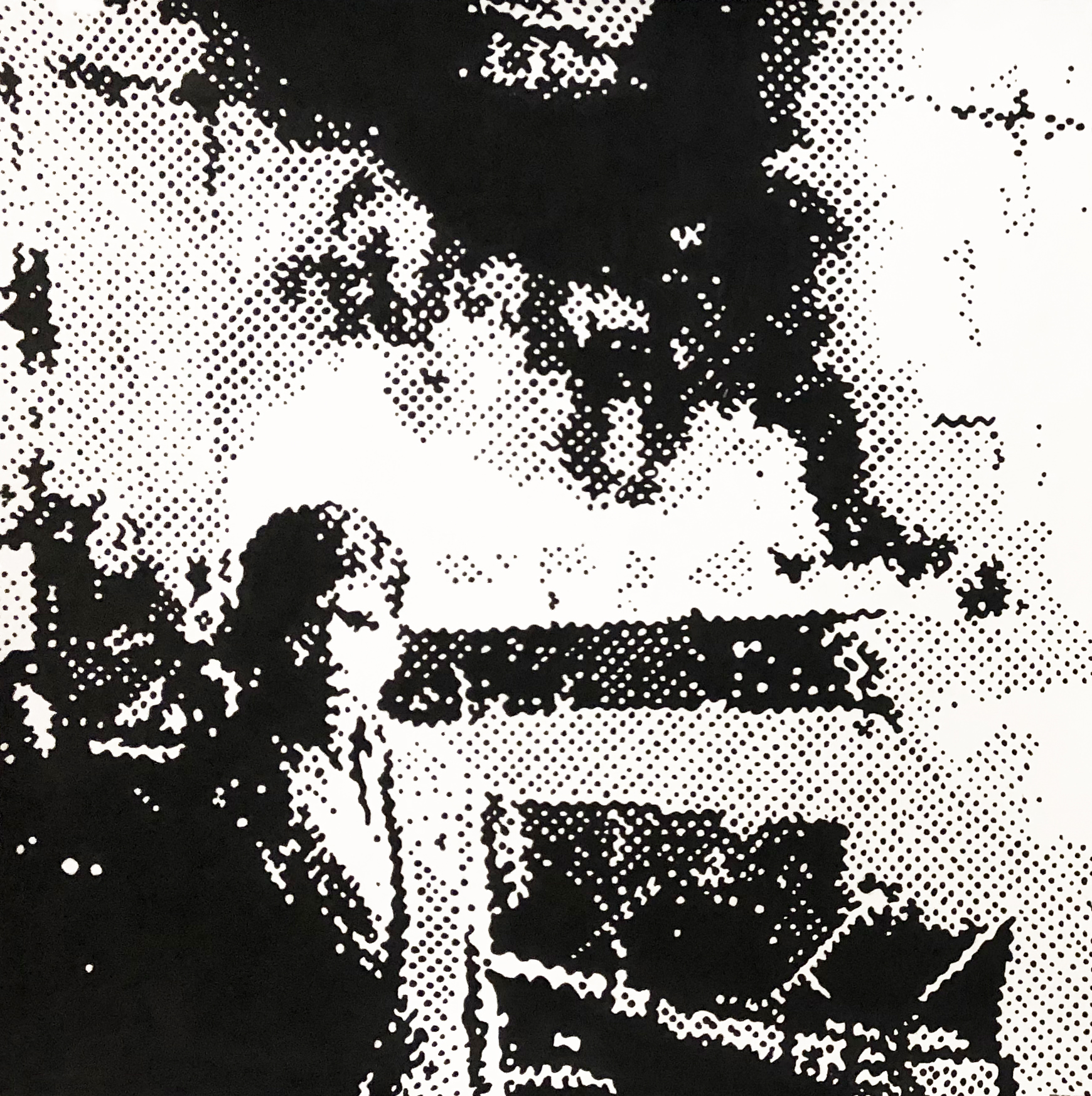
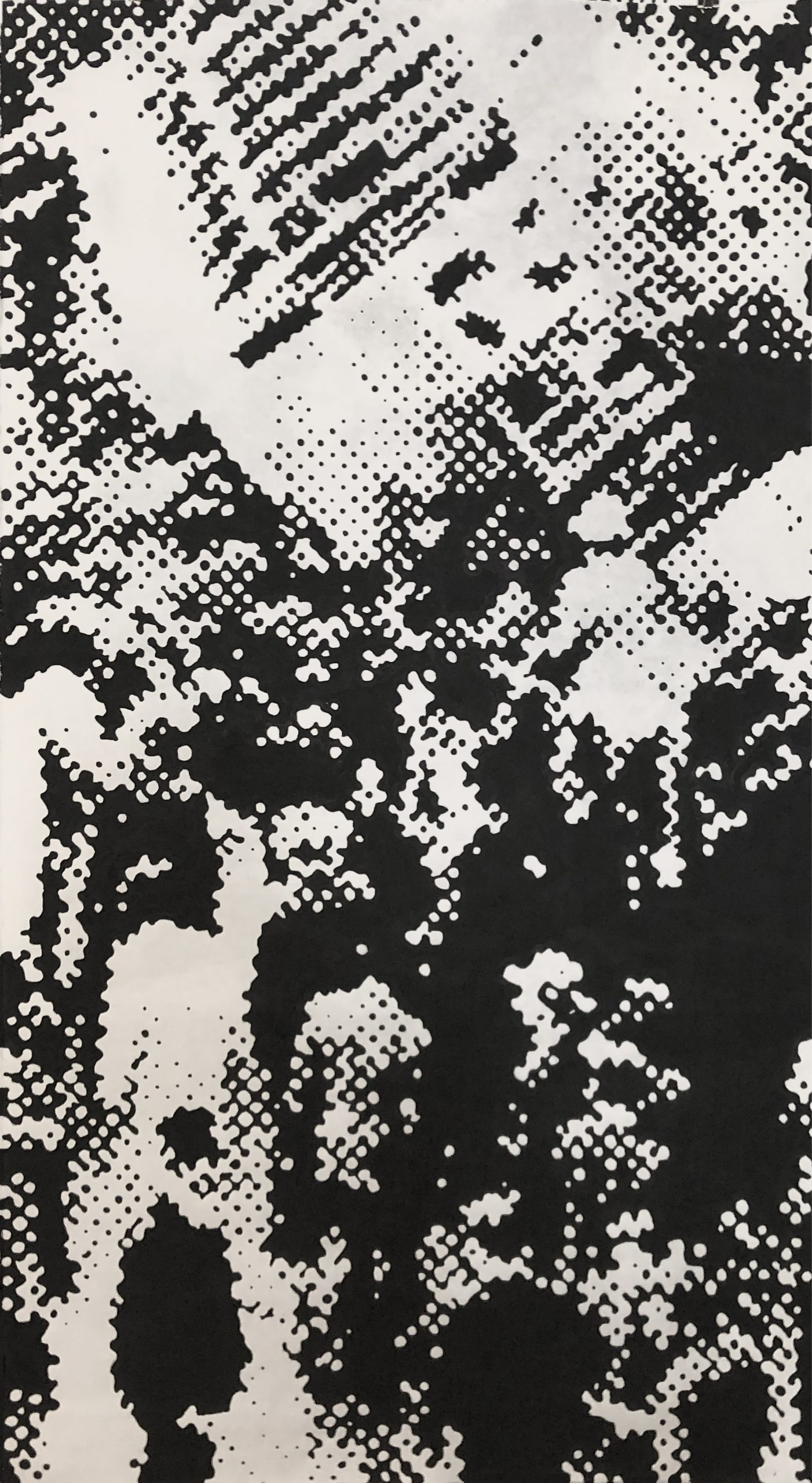
Memories Past and Present, a series of drawings product of the observation —from the distance— of the increasing manifestations of dissent in Colombia (and the rest of the world) in recent times. The work is a survey of the history of the sociopolitical separation in my home country and a reflection on its effects in present times.
Created from archival photographs of historical events from the 1940s and 1950s, these works are made with acrylic on different types of papers, using the halftone technique that simulates continuous-tone imagery through the use of dots, varying in size and spacing, thus generating a gradient-like effect. The result, is an abstract image at a close look that becomes clearer and takes form as the viewer gets farther from it. This works a metaphor of watching the current situation of my own country from outside.
Several works in this series have been created as diptychs or triptychs, denoting the dividing gap in our society that has subsisted since ancient times but has recently become more evident.
Places. 2019-2020
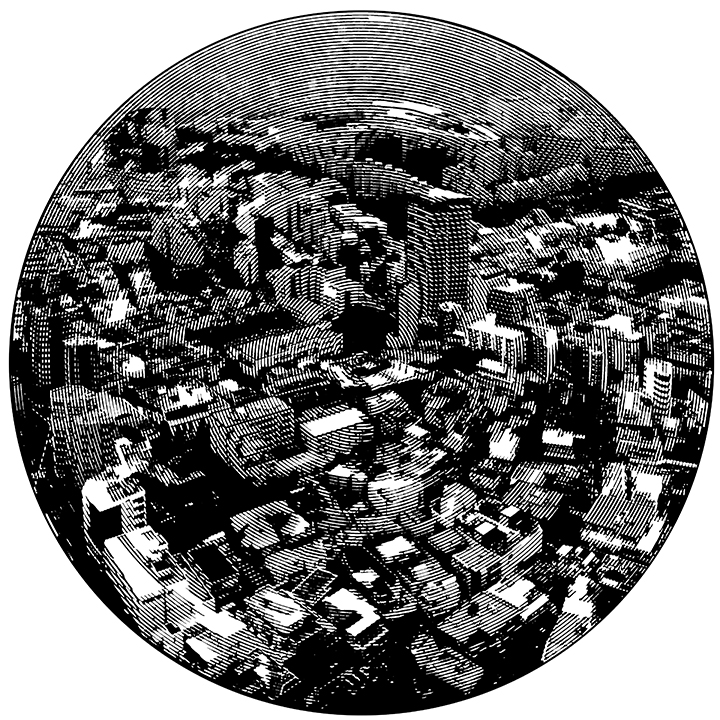
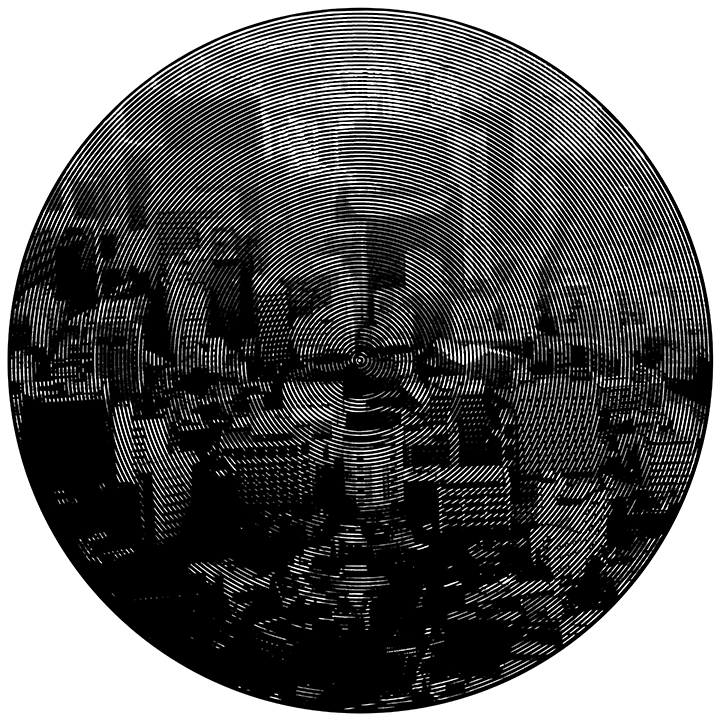
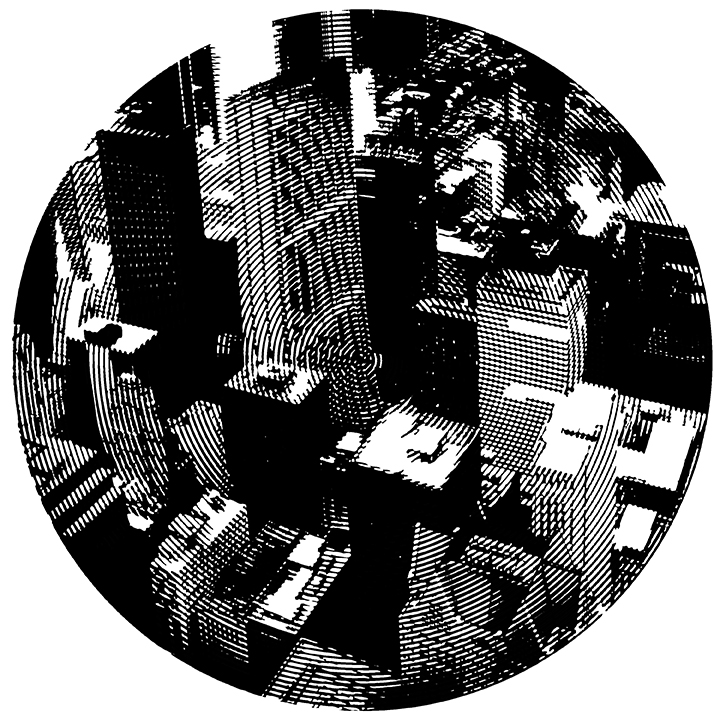
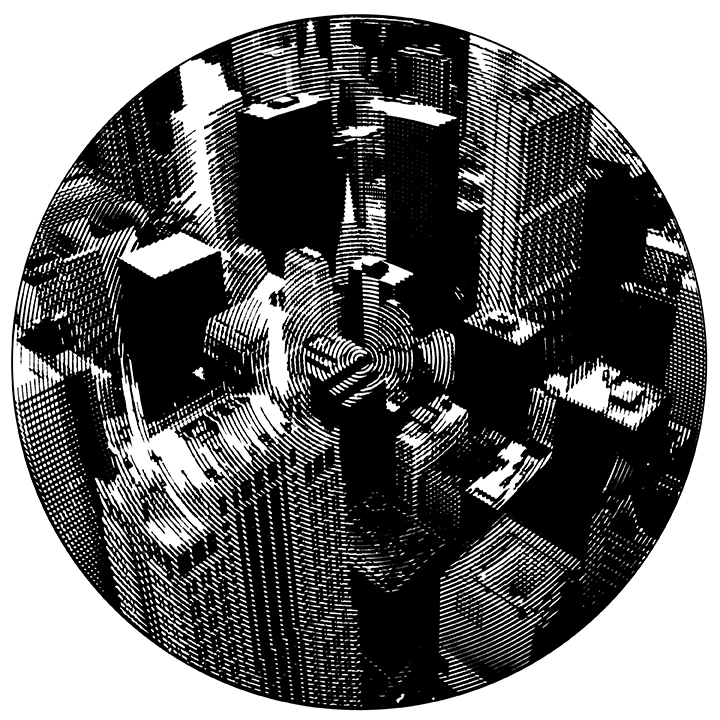
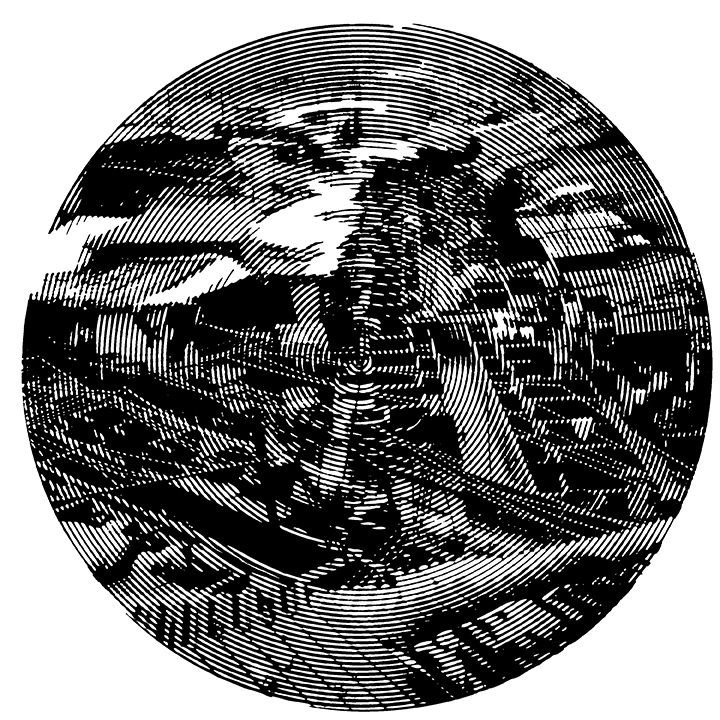
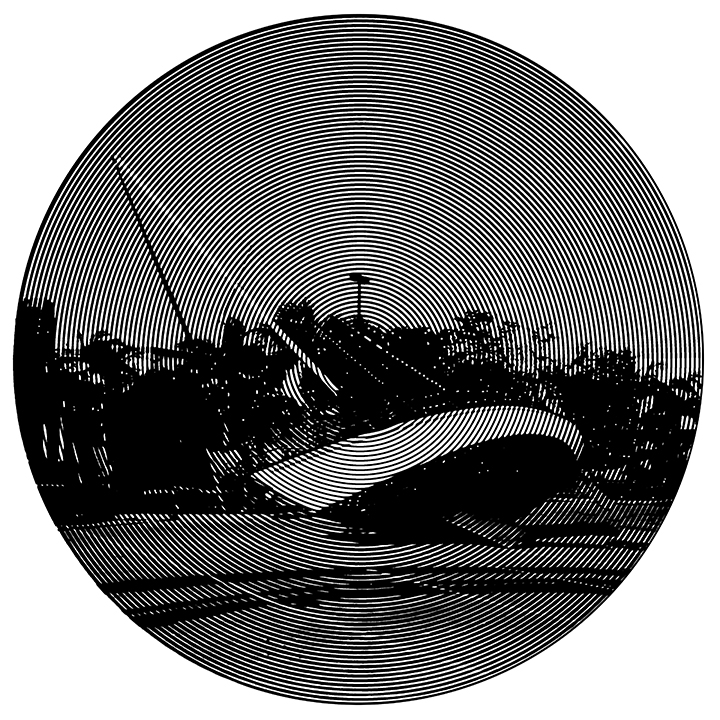
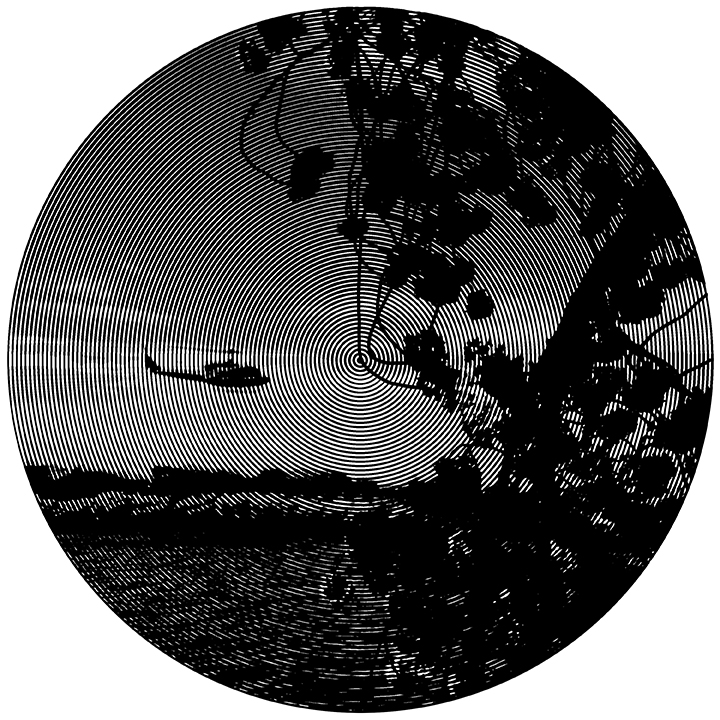

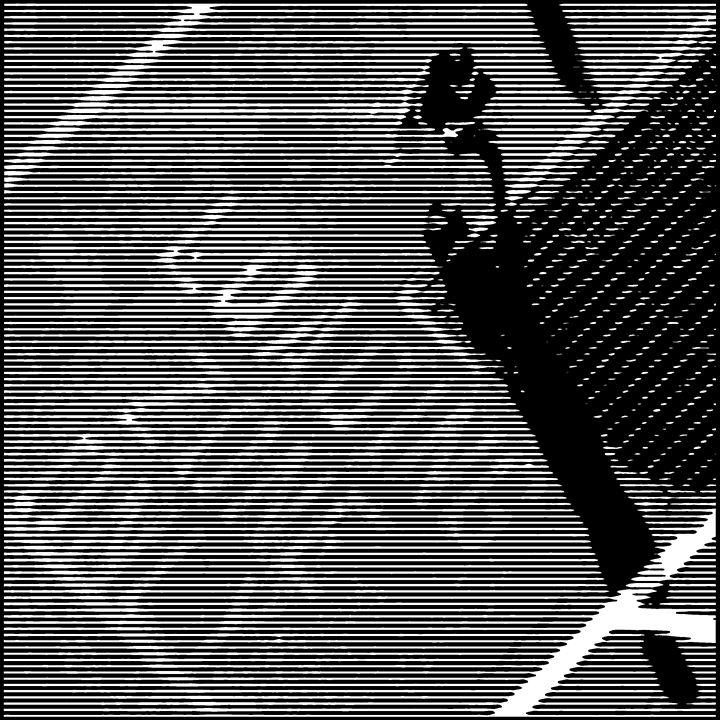

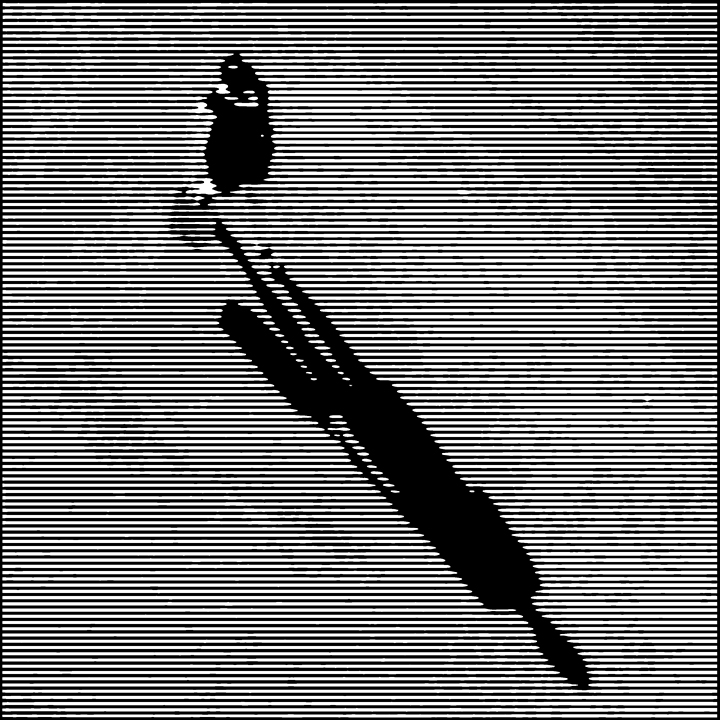
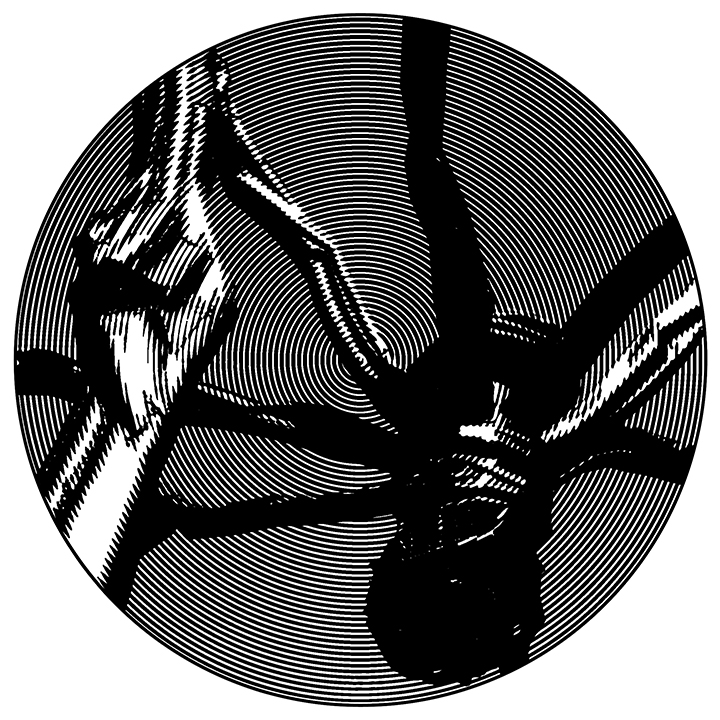
I am deeply influenced by the places I have visited and lived in. Each location holds a special significance for me, evoking memories and emotions that are unique to that particular place. Through “Places”, I seek to capture these memories and emotions, using cutout mat board to represent the physical spaces that have helped to shape my identity.
The process of creating these pieces is both meditative and cathartic. As I work, I am transported back to the place that informed the piece, reliving the memories and emotions associated with that location. Each piece is a tribute to the power of place, and to the ways in which our surroundings shape our experiences and memories.
With this work, I hope to encourage viewers to reflect on their own experiences with place, and to consider the ways in which our surroundings impact our lives. Whether we are exploring new locations or revisiting familiar ones, the places we inhabit have the power to shape our memories and our sense of self. My art seeks to honor this power, and to celebrate the beauty and complexity of the world around us.
In Memoriam Life Goes on. 2019
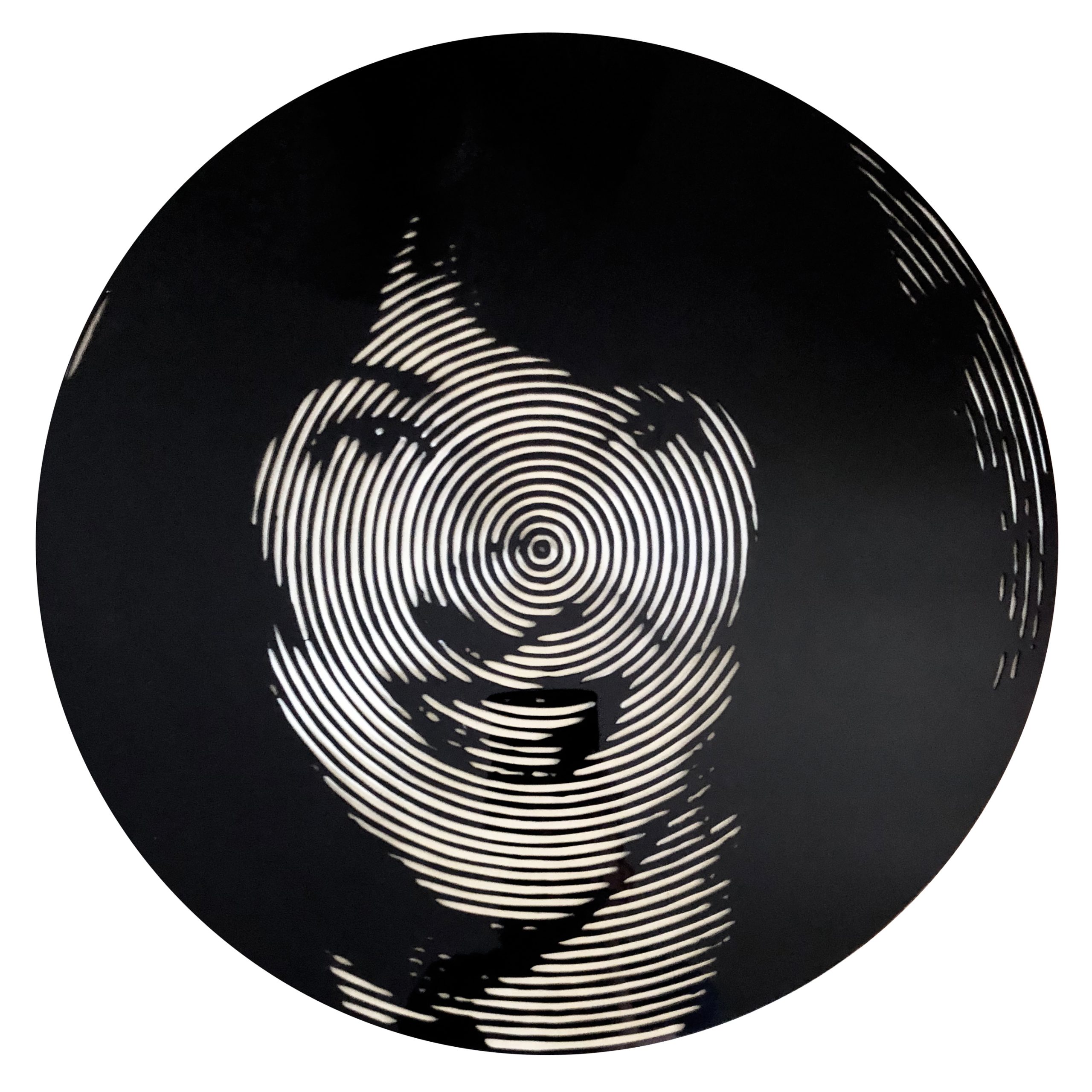
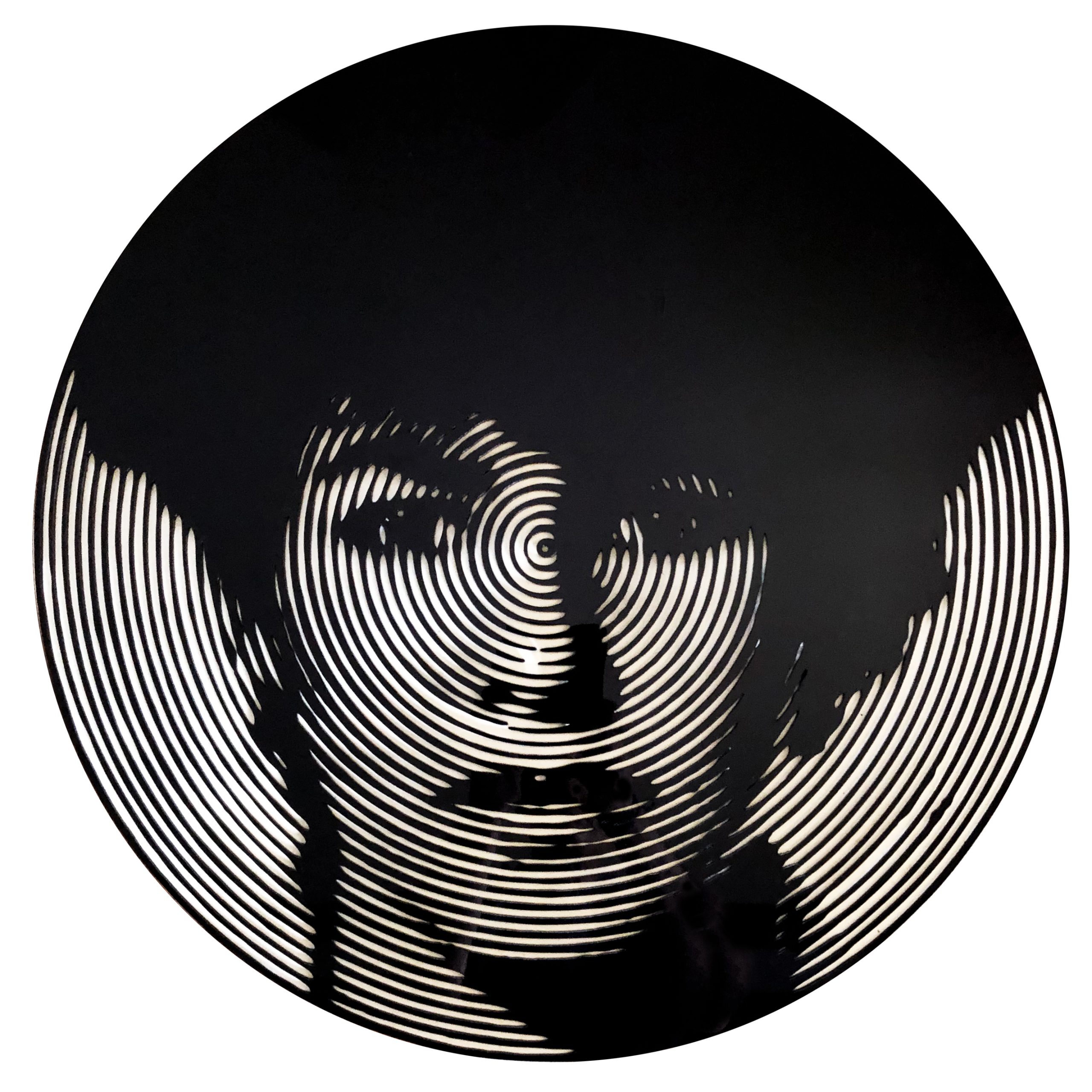
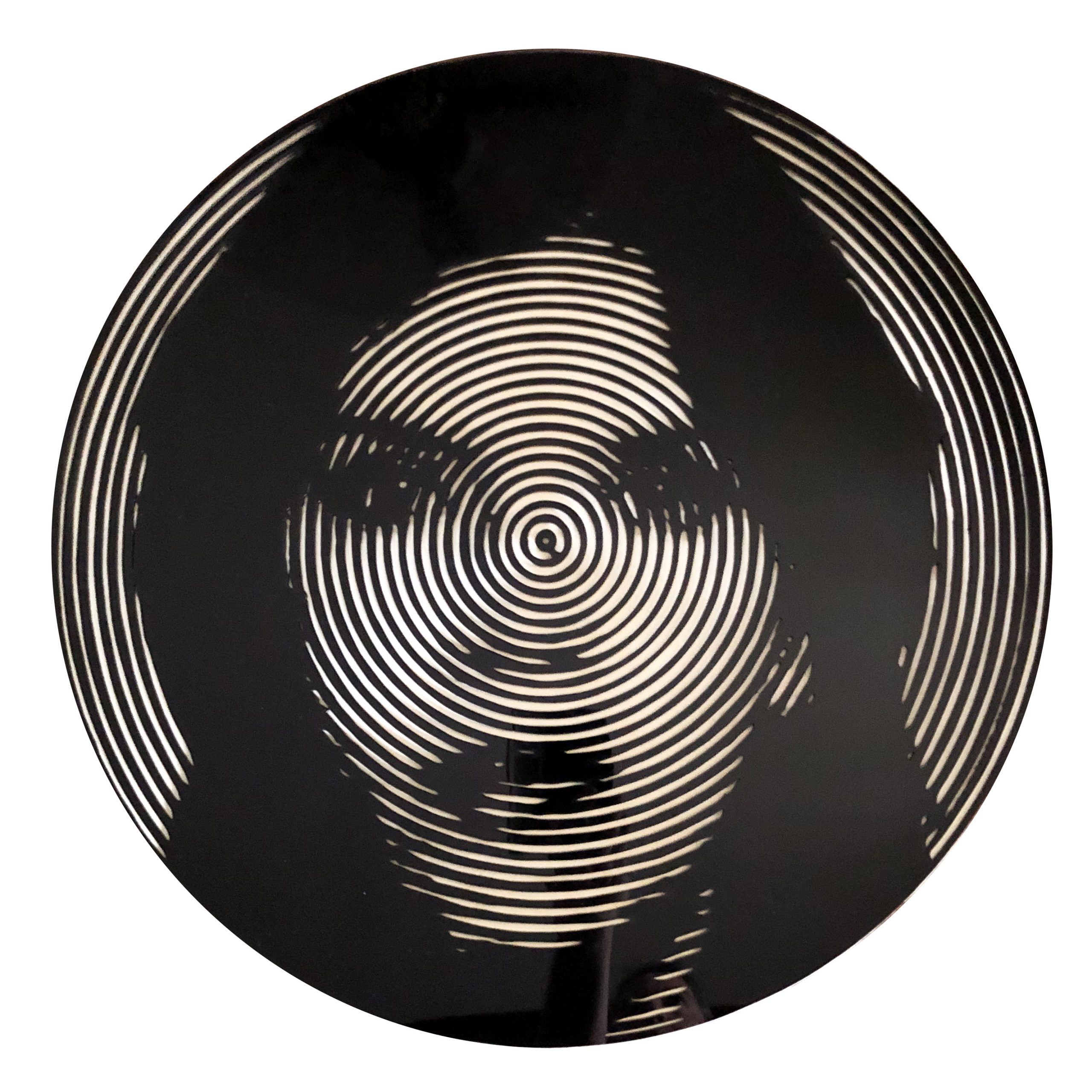
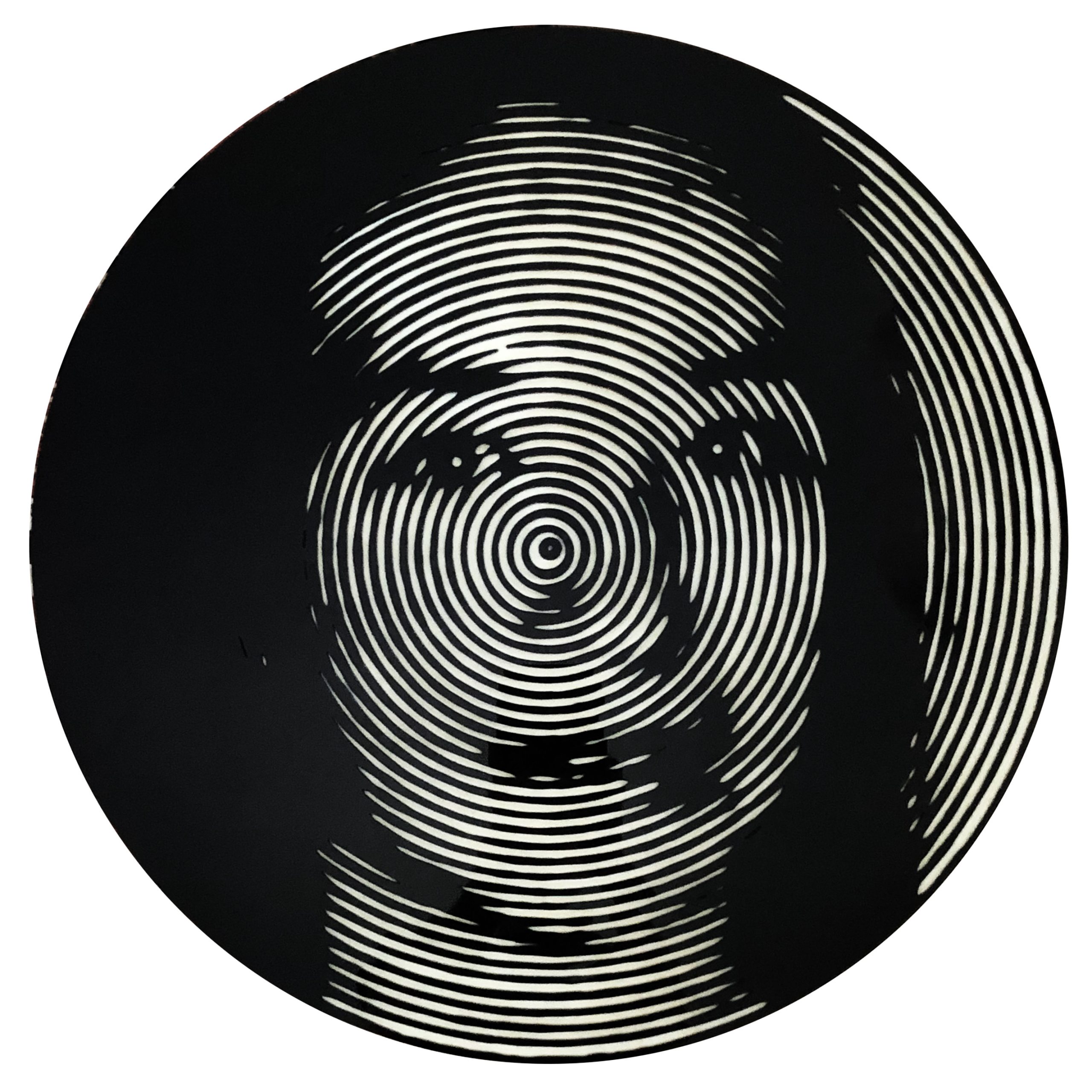
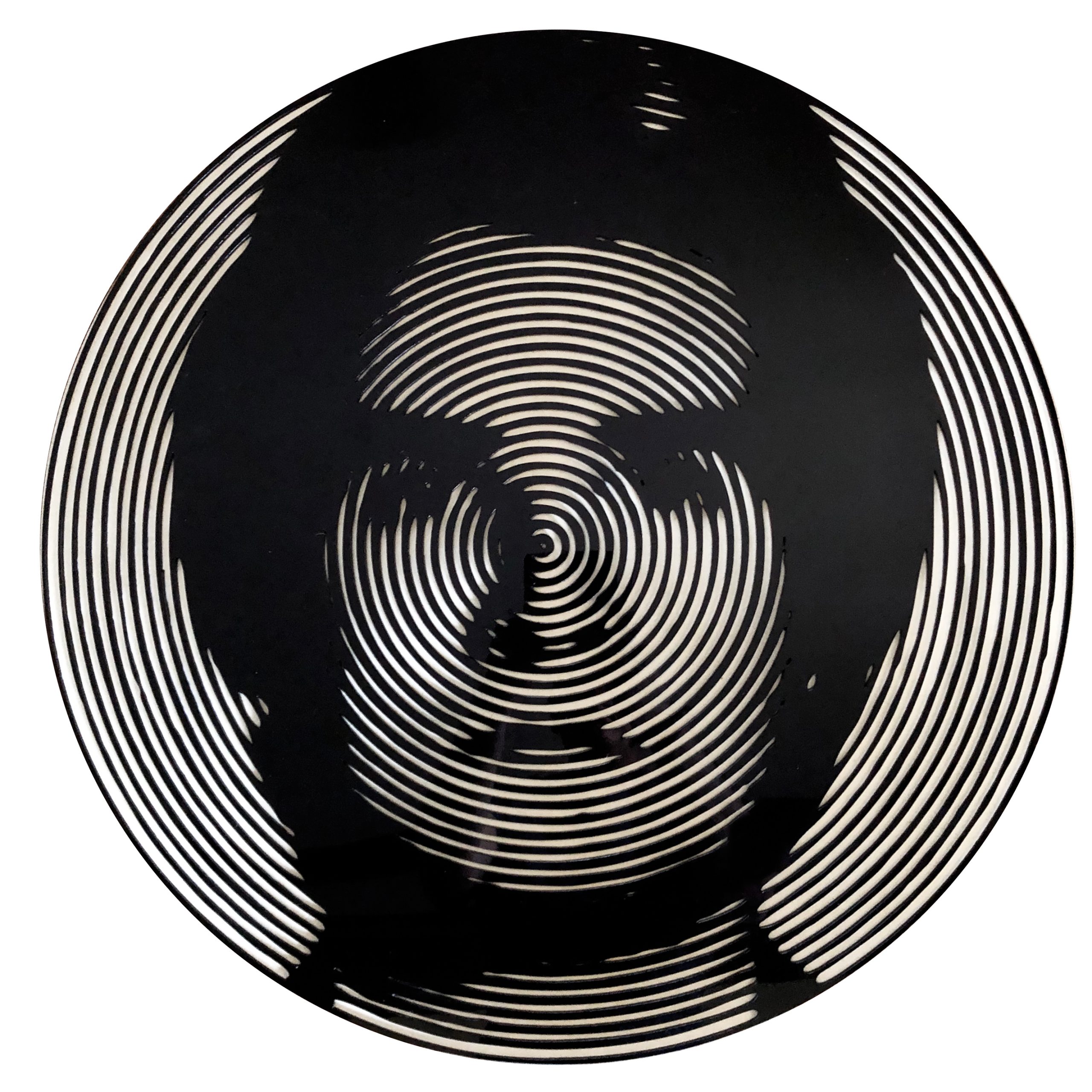
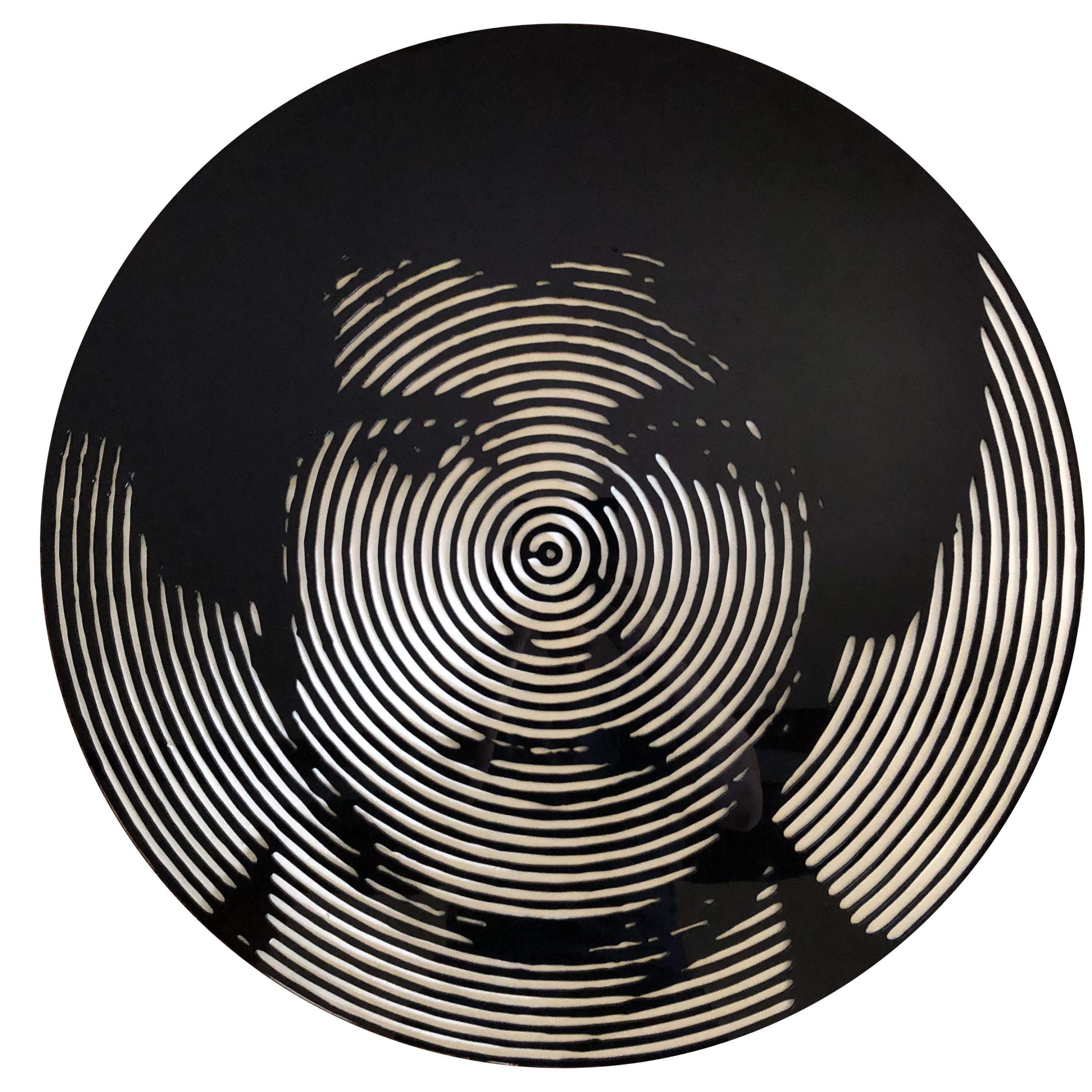
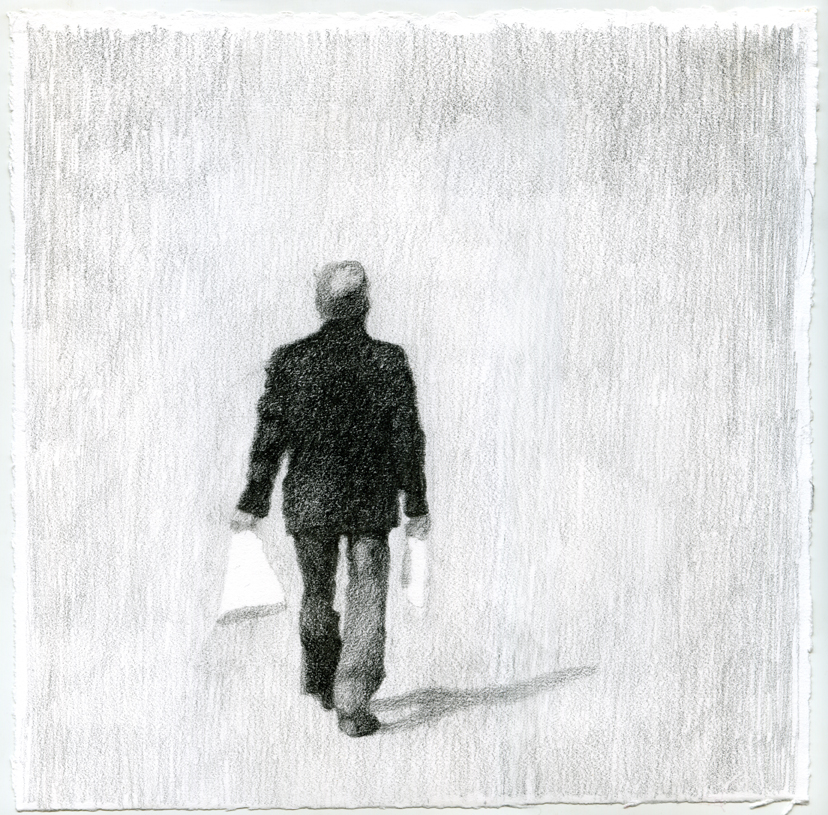
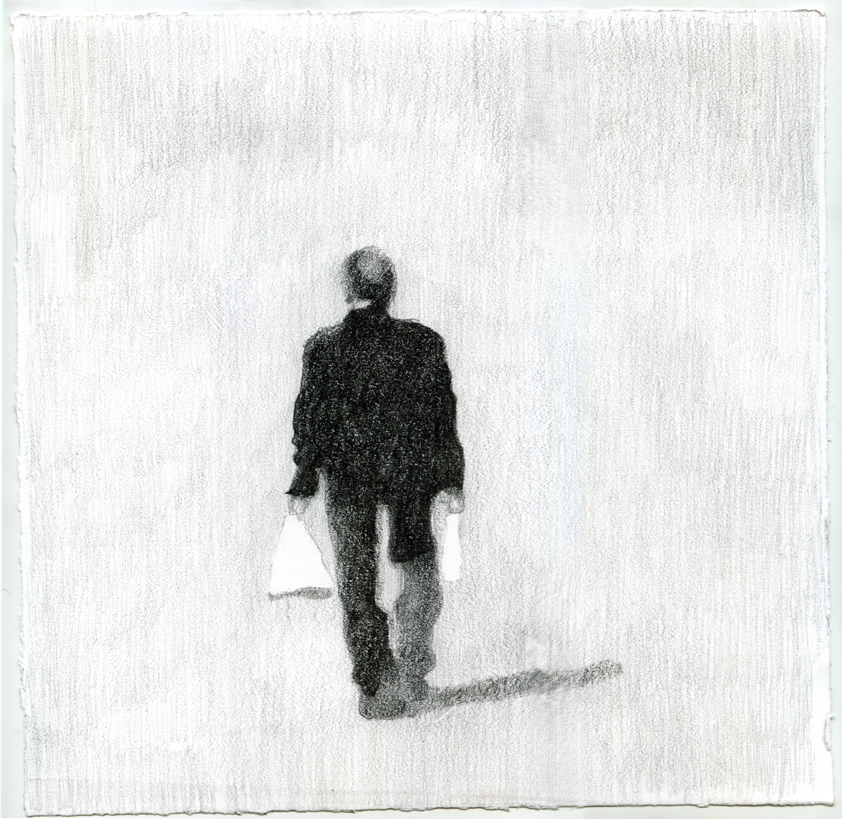
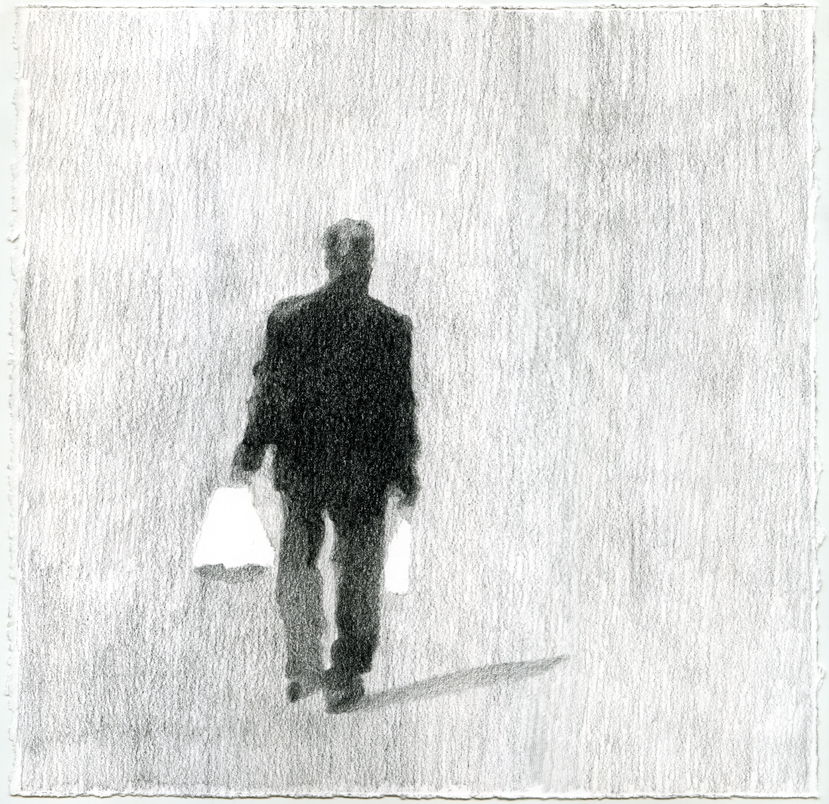
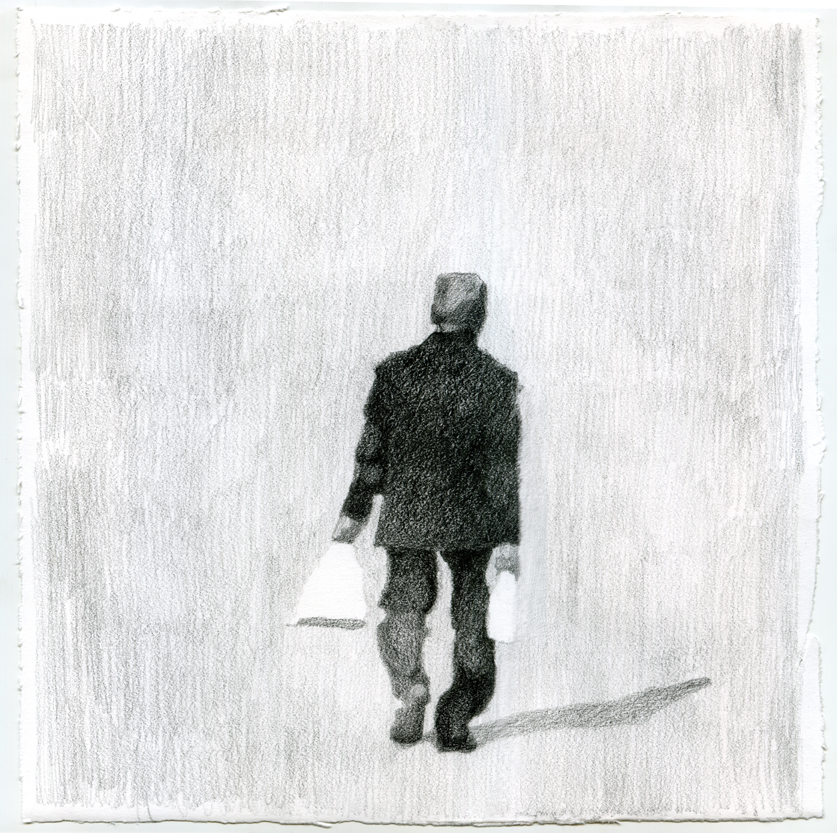
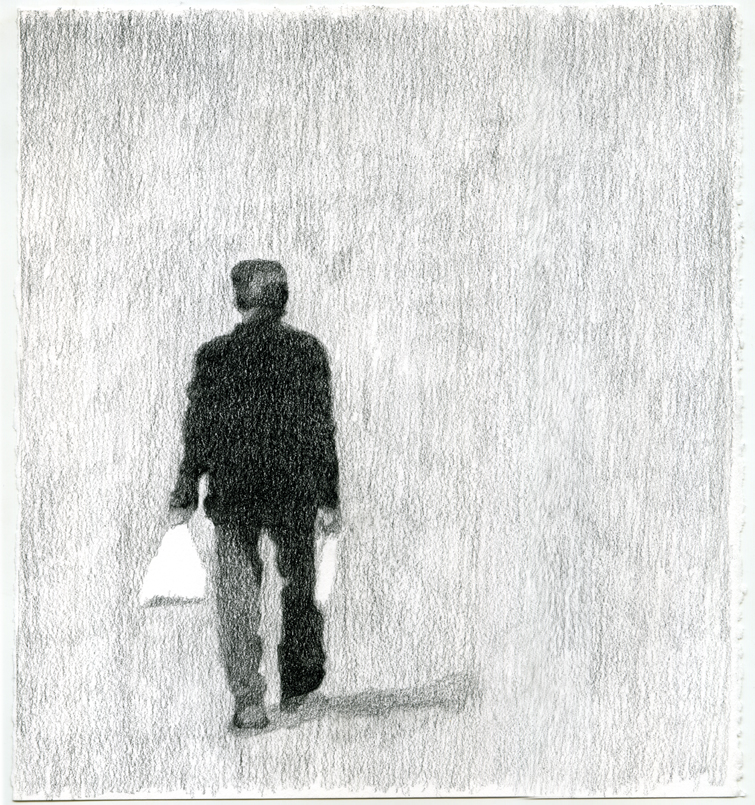
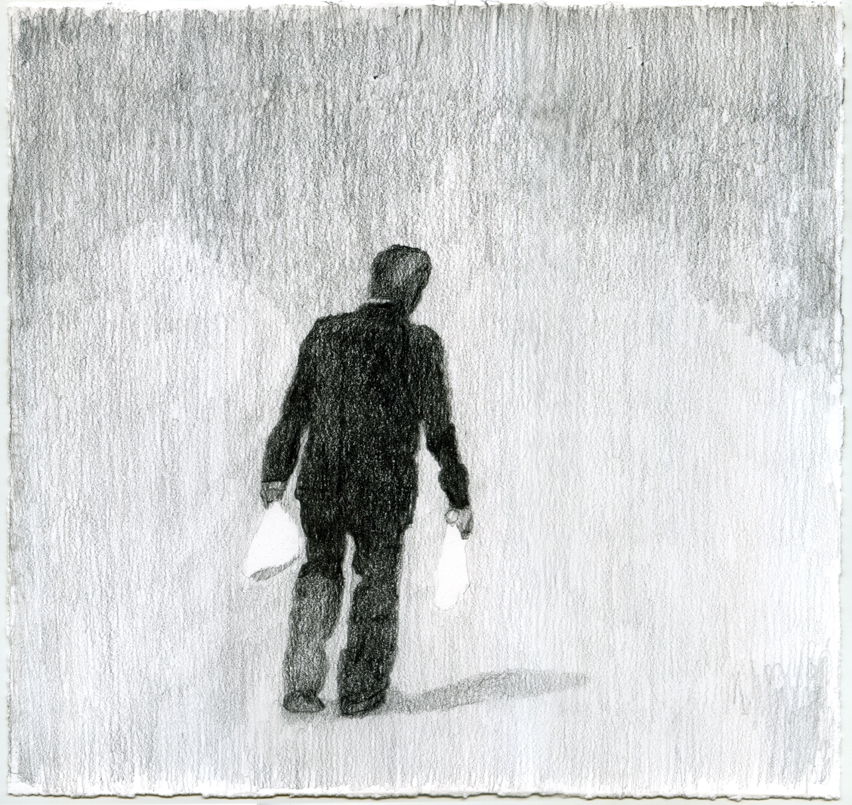
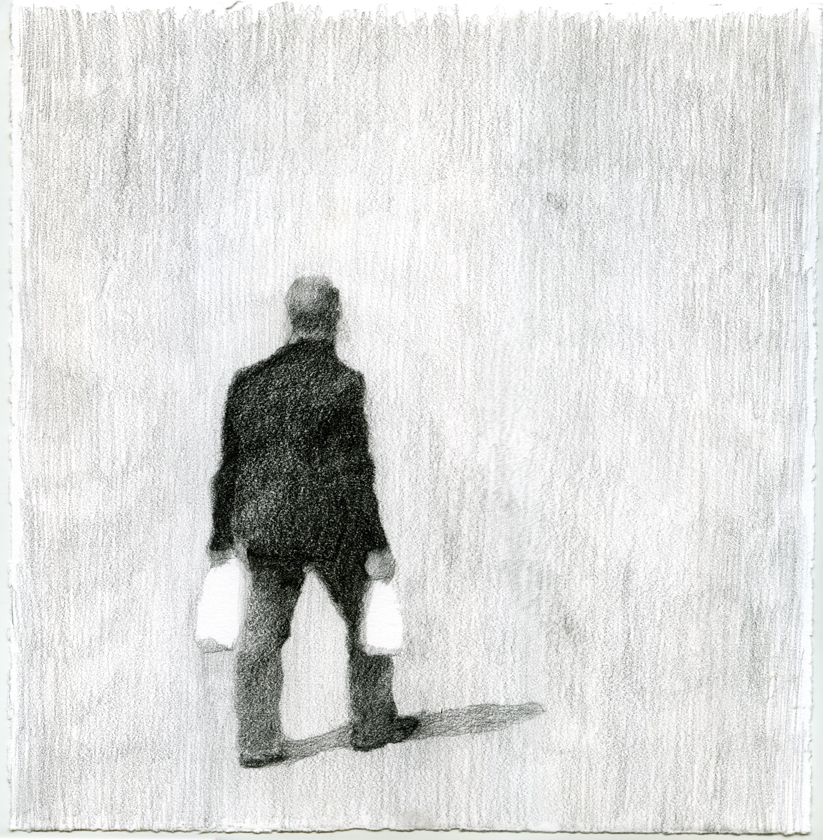

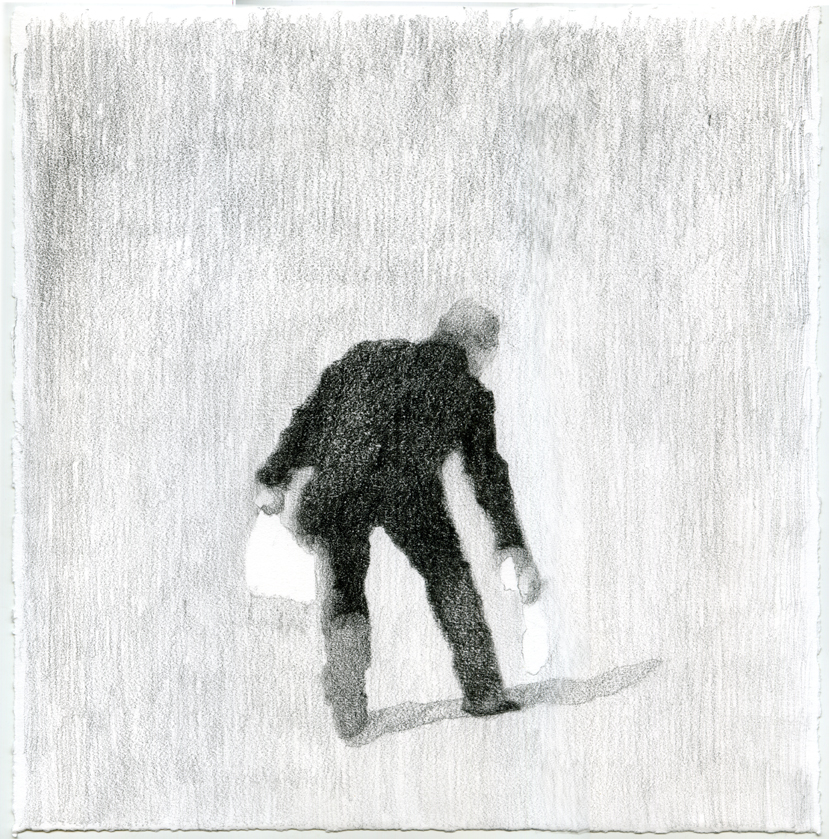
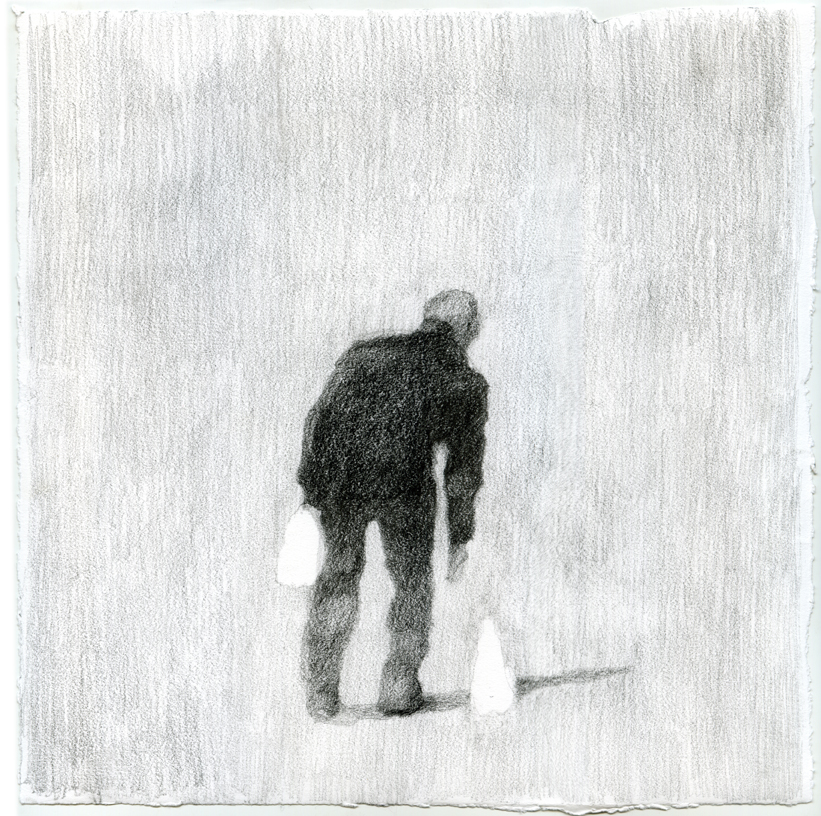
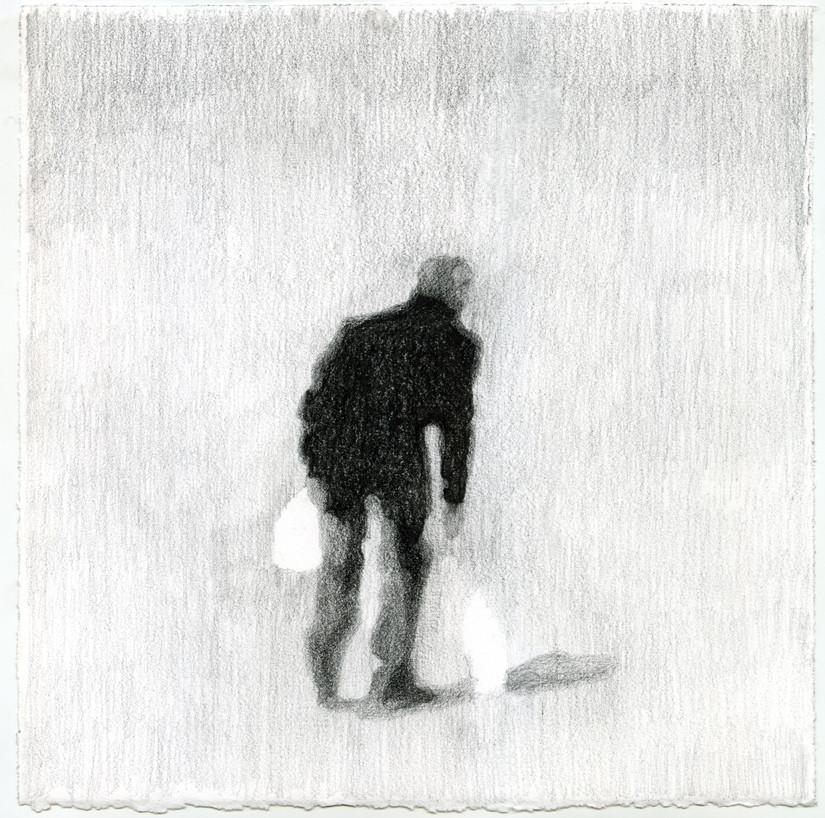
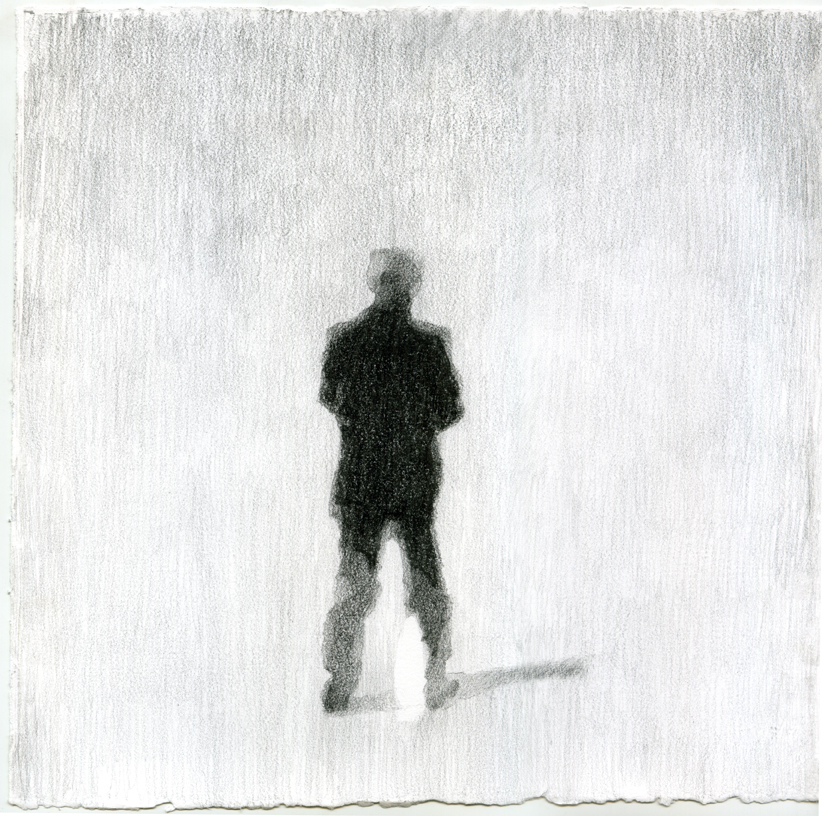
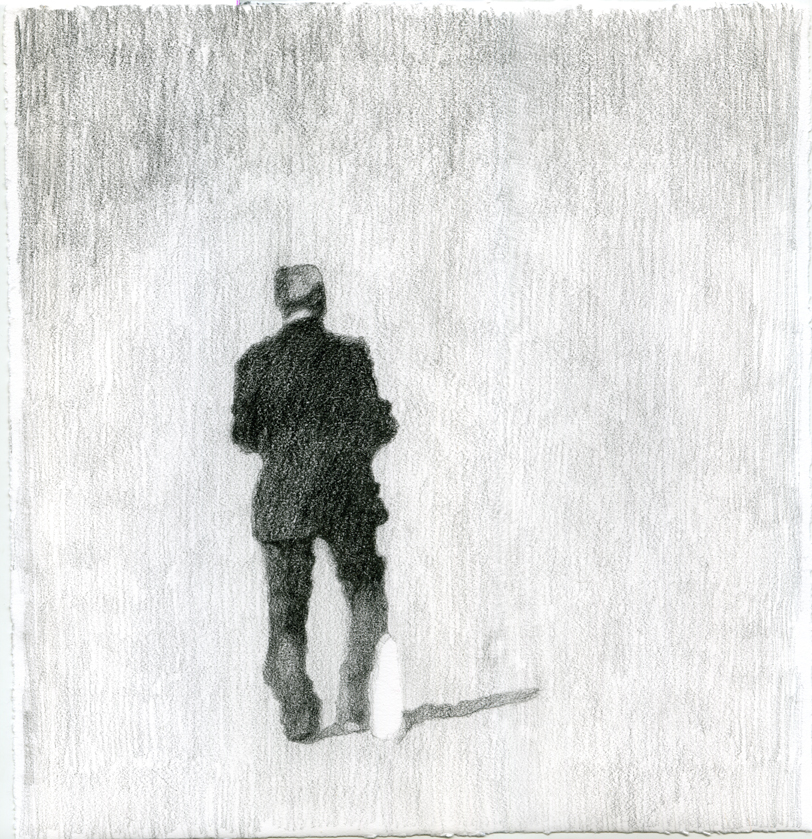
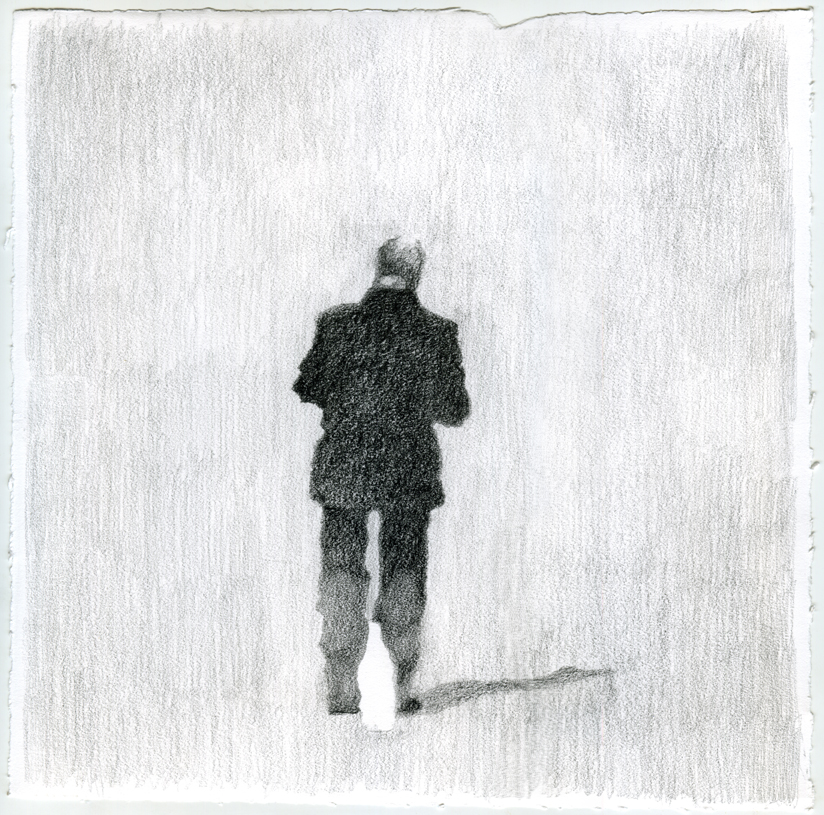
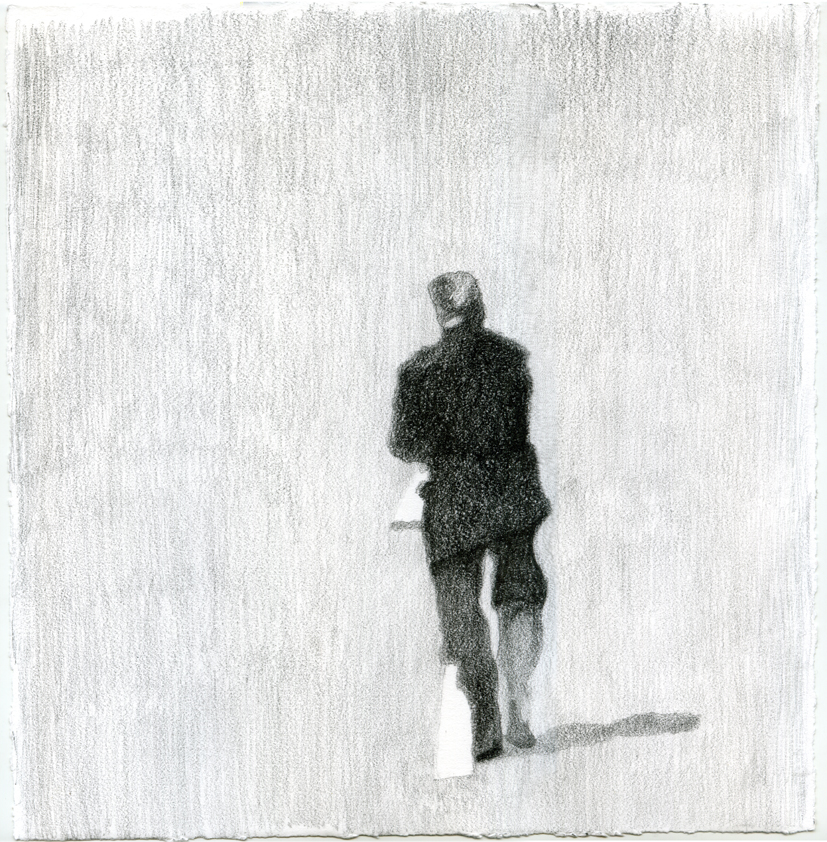
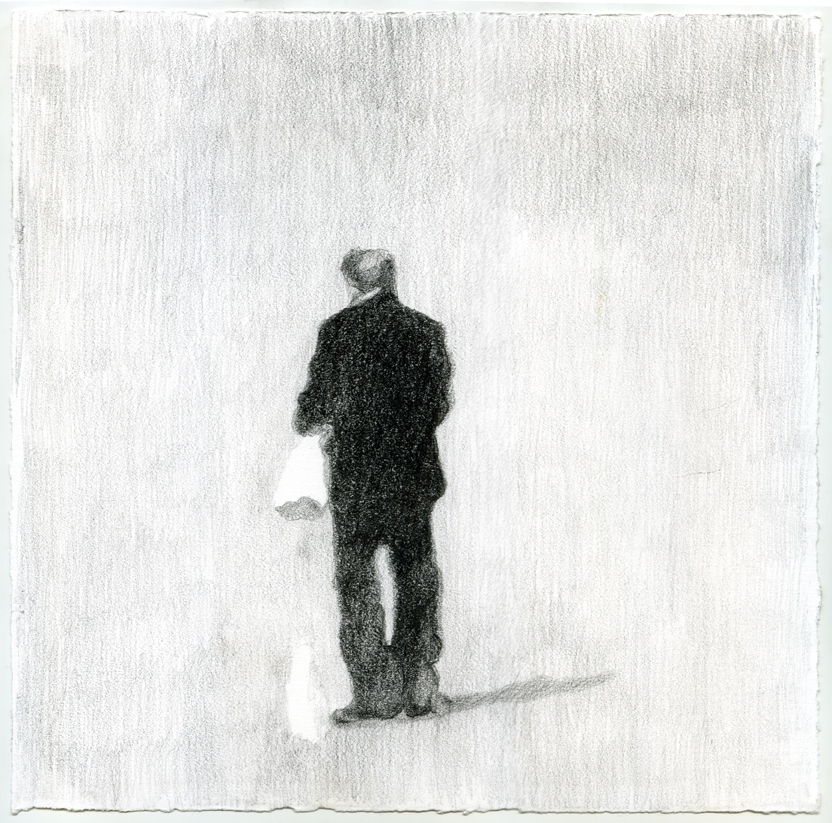
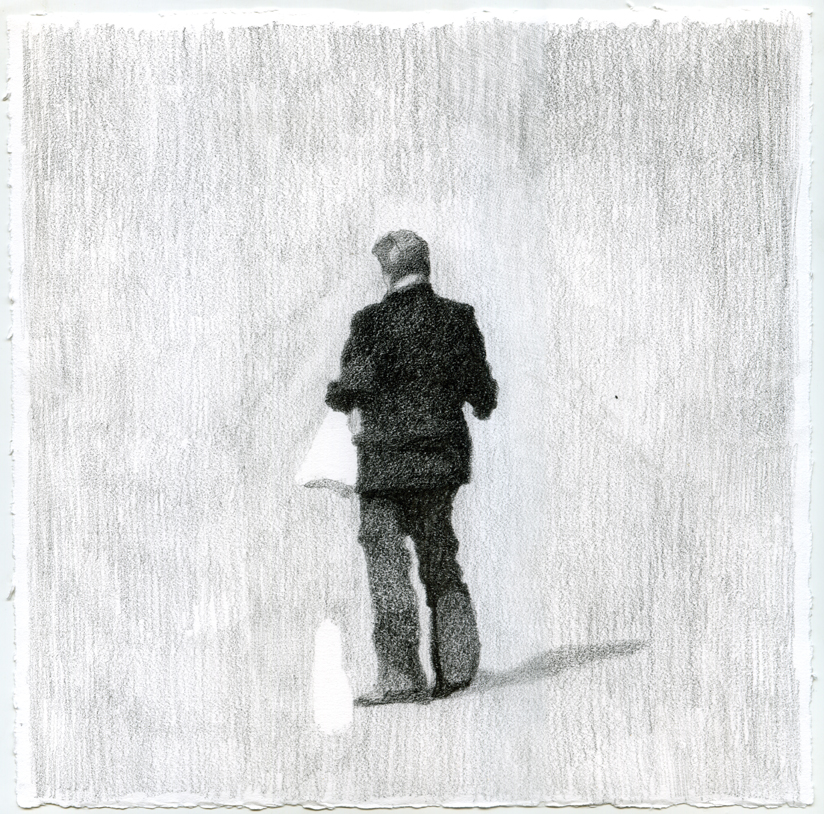
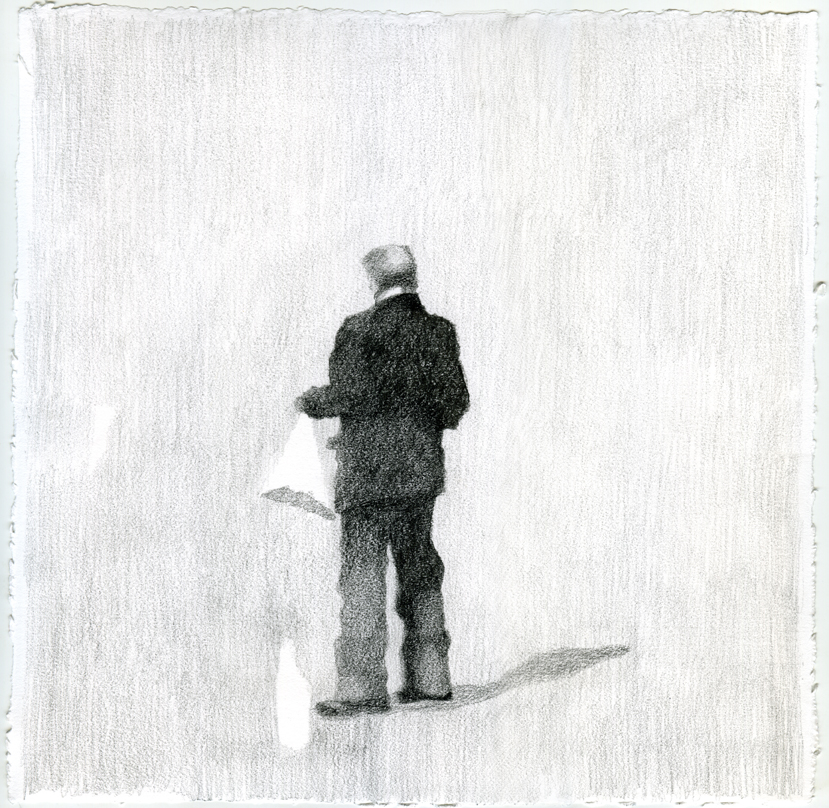
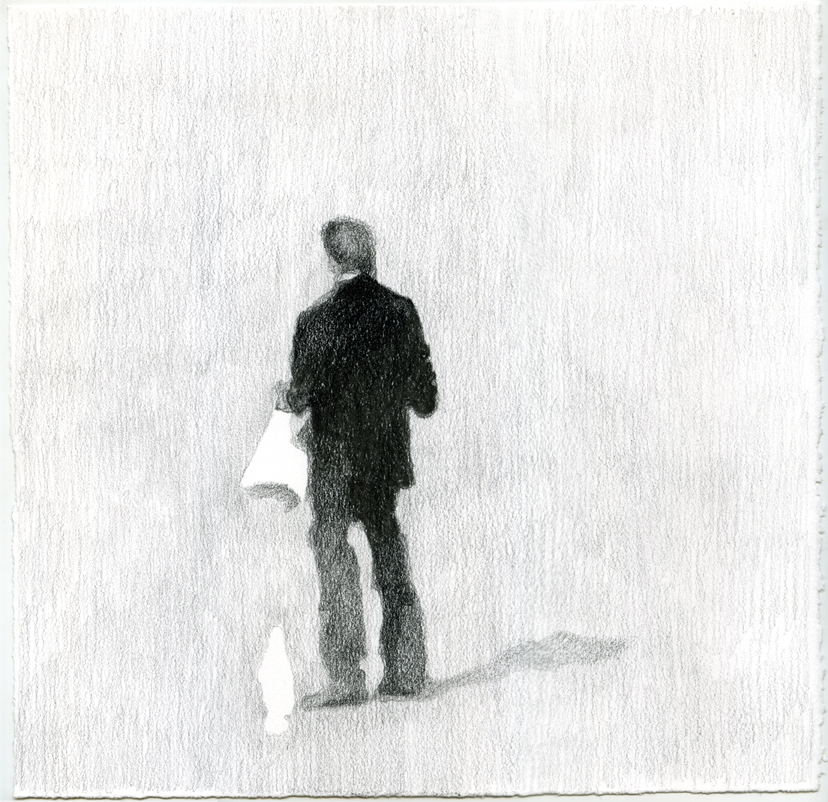
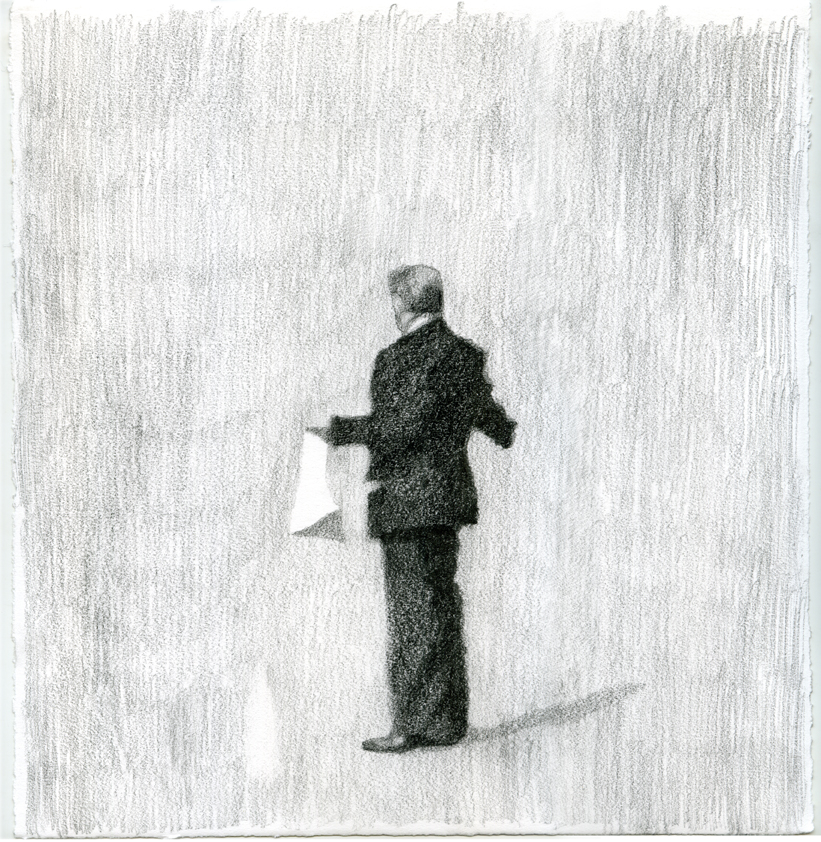
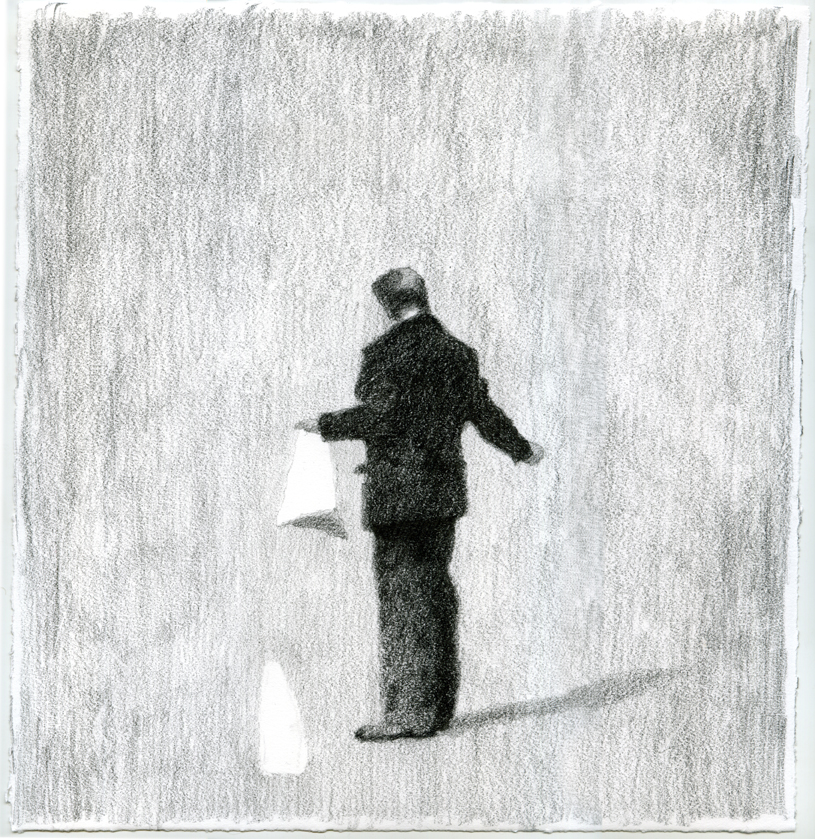
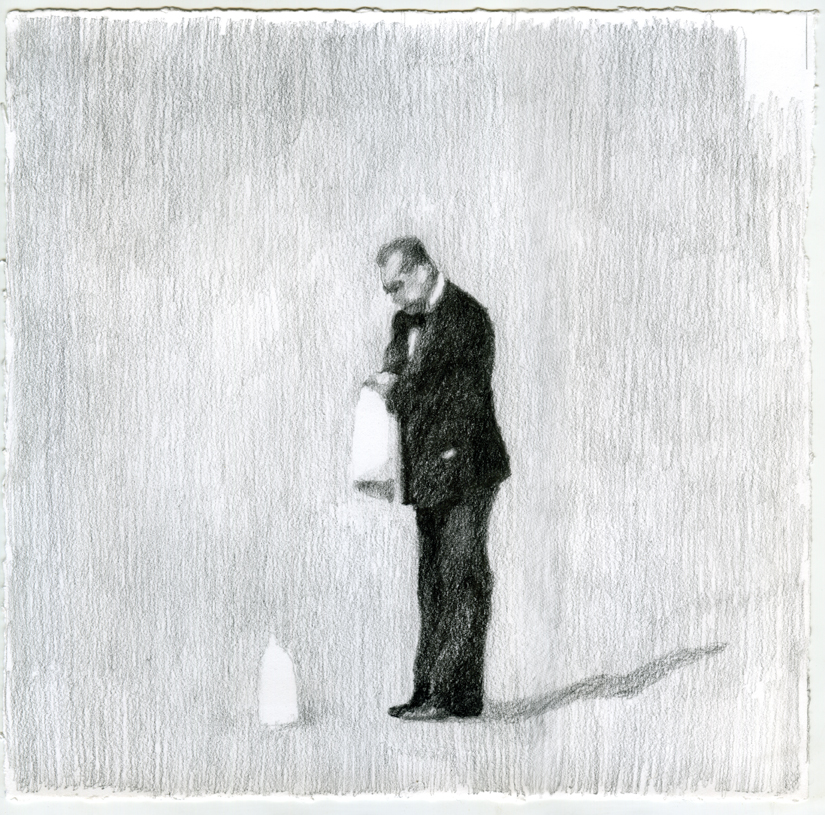
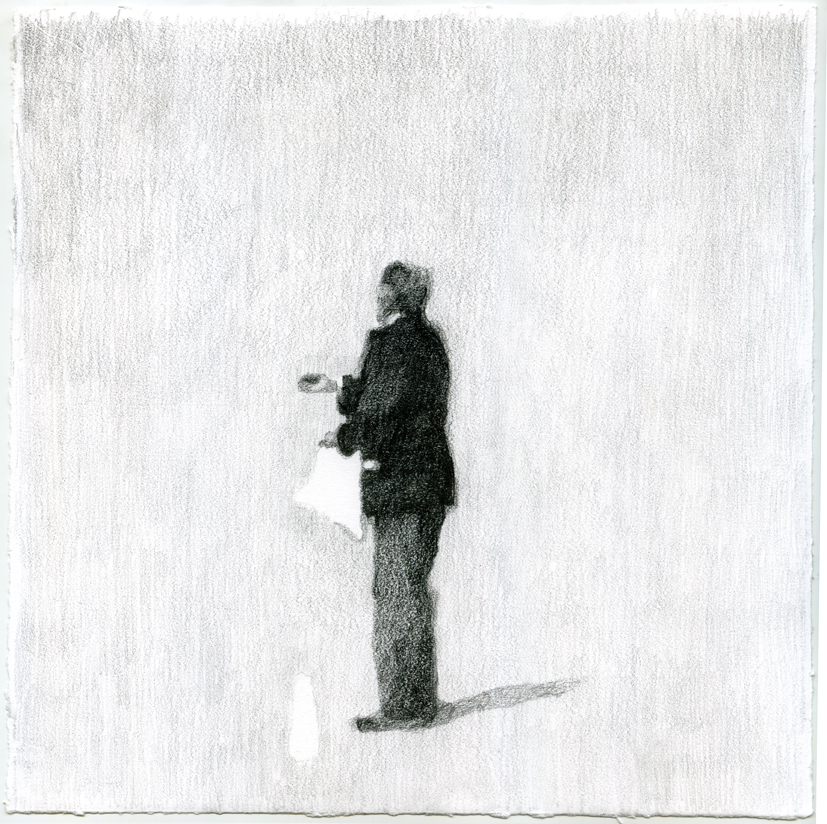
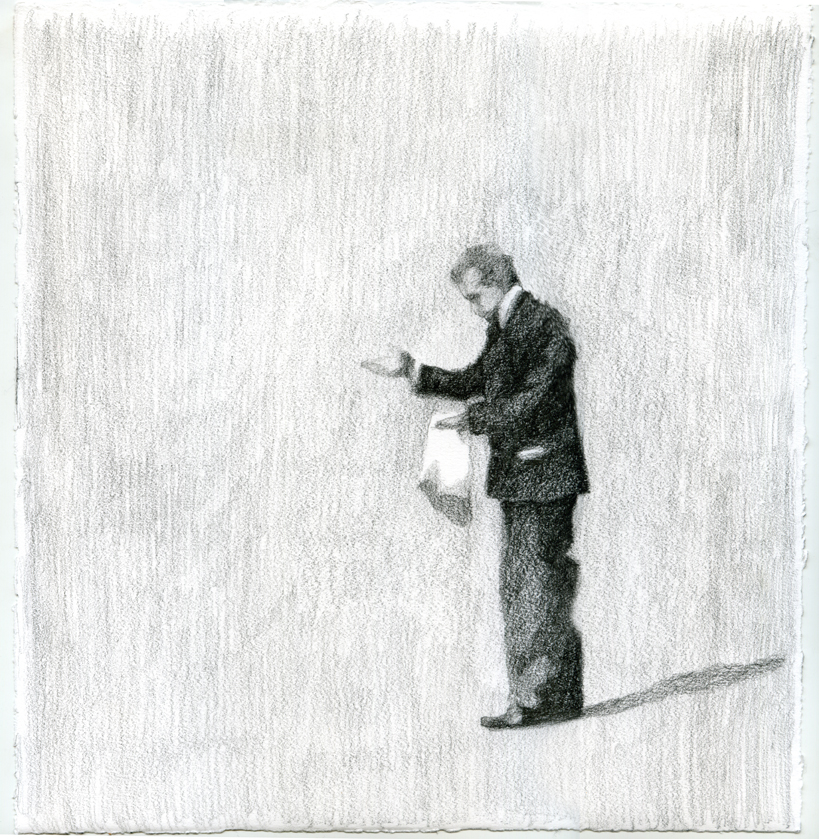
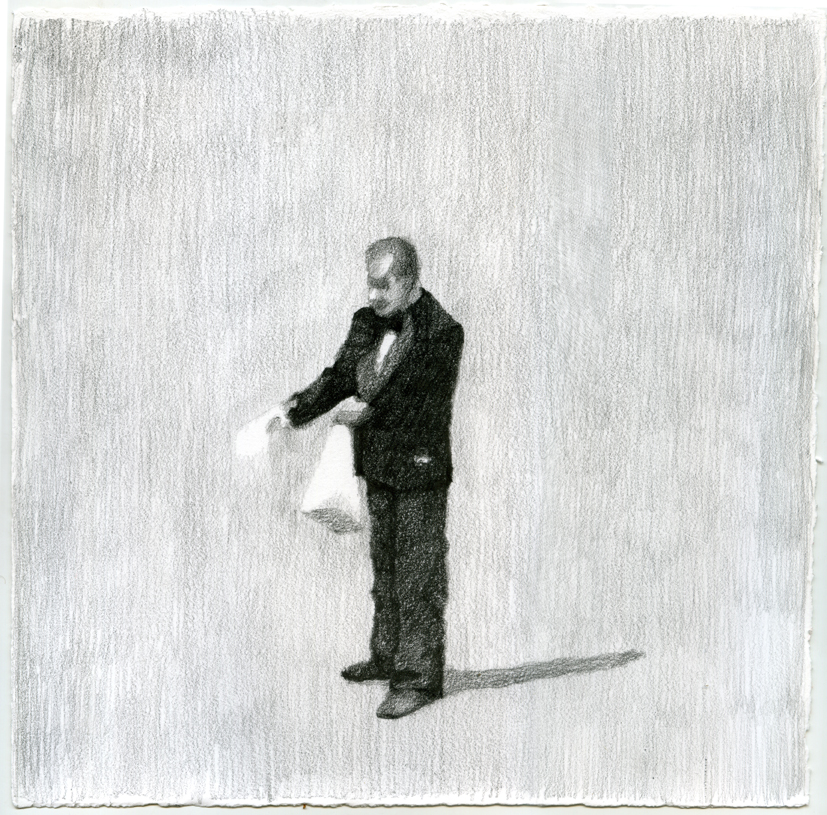
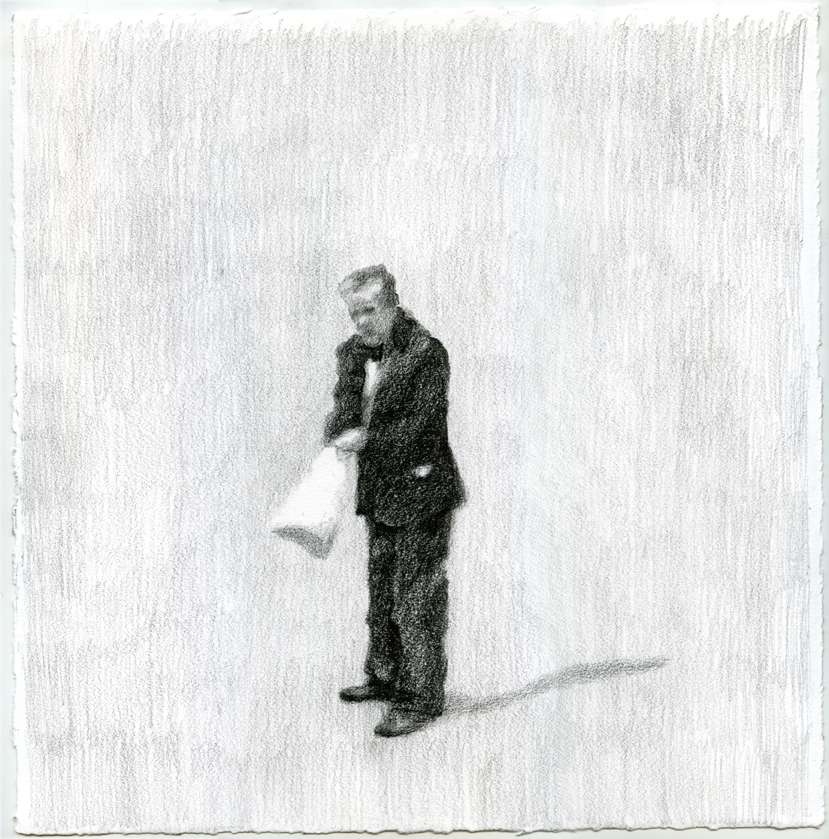
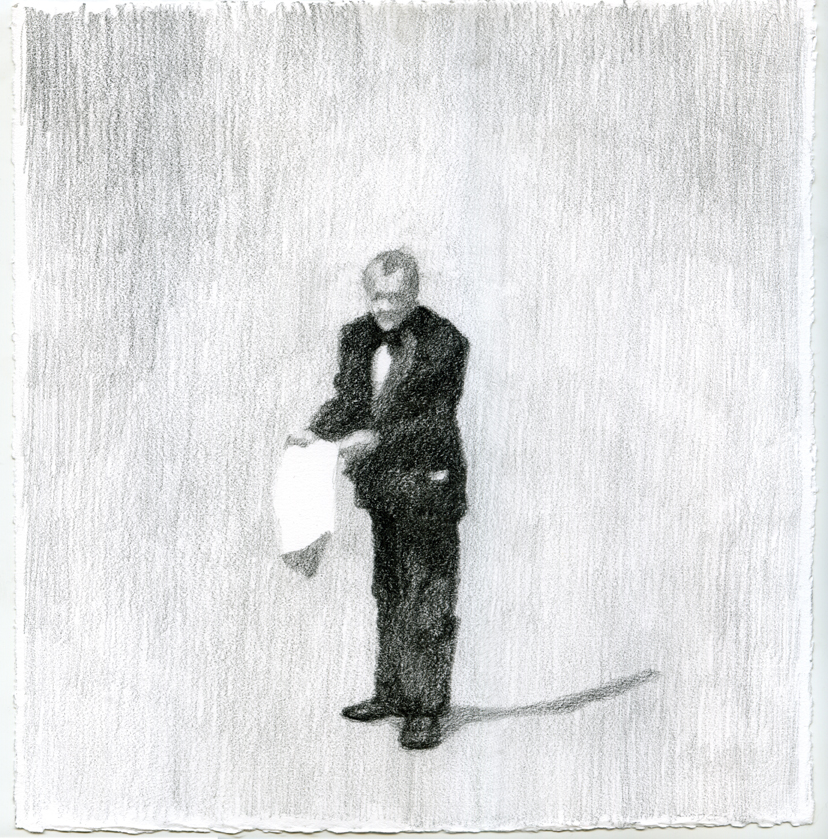

The project In Memoriam explores our tenacious struggle for scopes of normality within unusual hostile situations. This body of work is based on the November 6th, 1985 events of The Palace of Justice siege in Bogota, Colombia.
The project is composed of 3 different bodies of work.
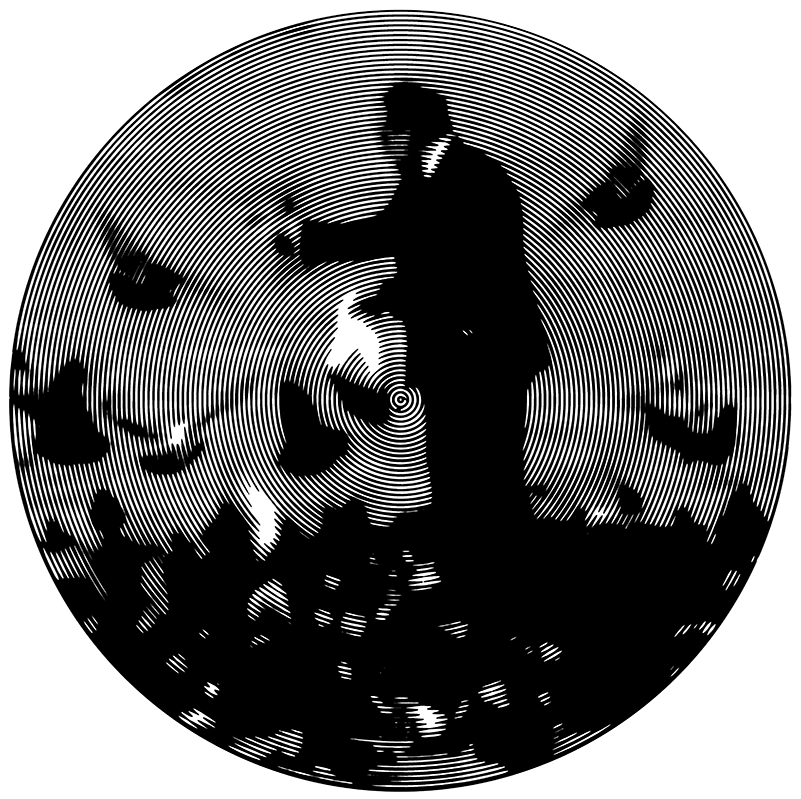
The series In Memoriam, Life goes on, is a group of 28, 11×11 inches, pencil on paper drawings made to be displayed in a grid. They are based on footage of local news covering the event live that day. These works resembling a storyboard, illustrate the simple action of feeding pigeons. The drawings render a man in an empty space, eliminating additional details, distancing us yet further from the idea of the objective truth, they can offer us no more than a fragment of reality recalling a faded memory, focusing the attention on the person’s action.
Still Missing, is a group of 6, 24×24 inches in diameter, plexiglass and wood circles portraying the people still missing since the violent seizure of the Supreme Court.
The video In Memoriam conveys some known facts of the event, using animated text and sound. It includes quotes of the transcript from a live broadcasted radio interview with Alfonso Reyes Echandia, president of the Supreme Court at that moment.
CCTV. 2016
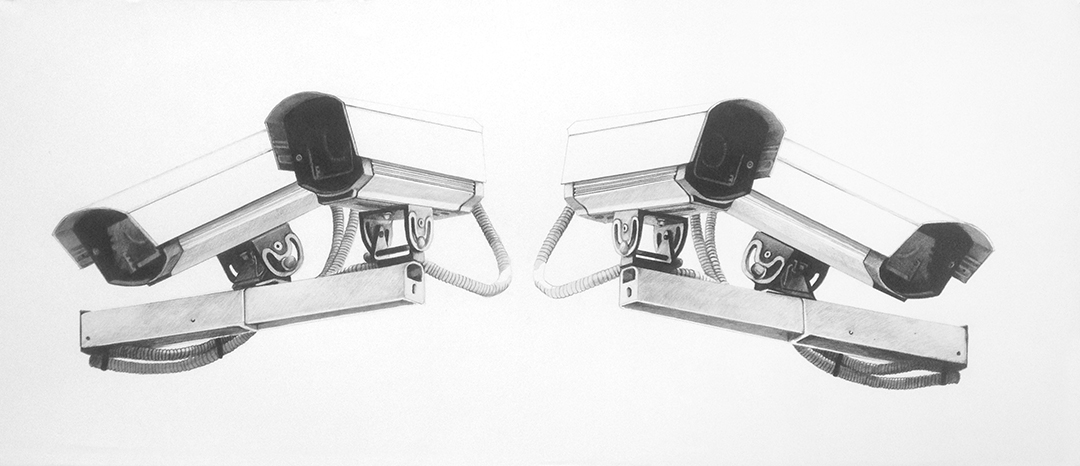
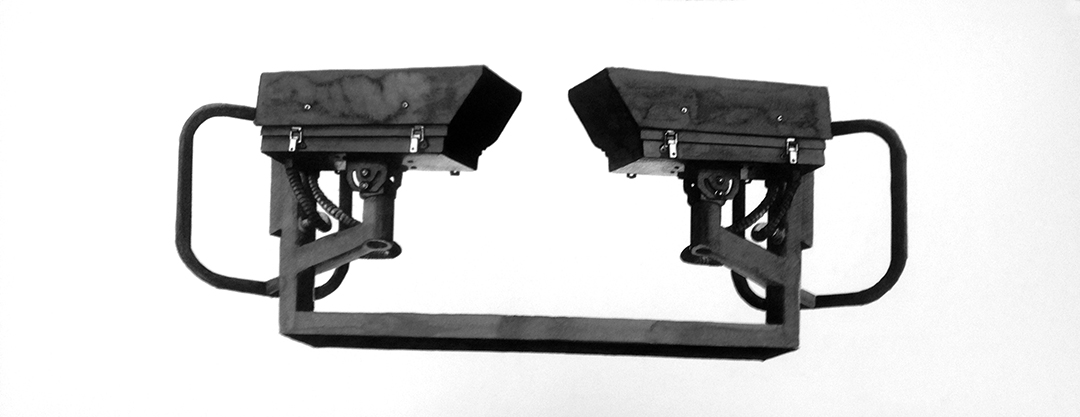
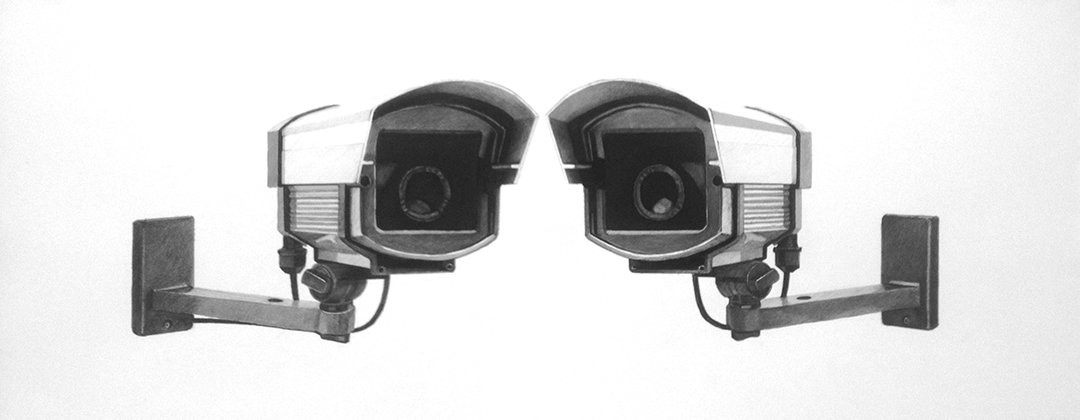
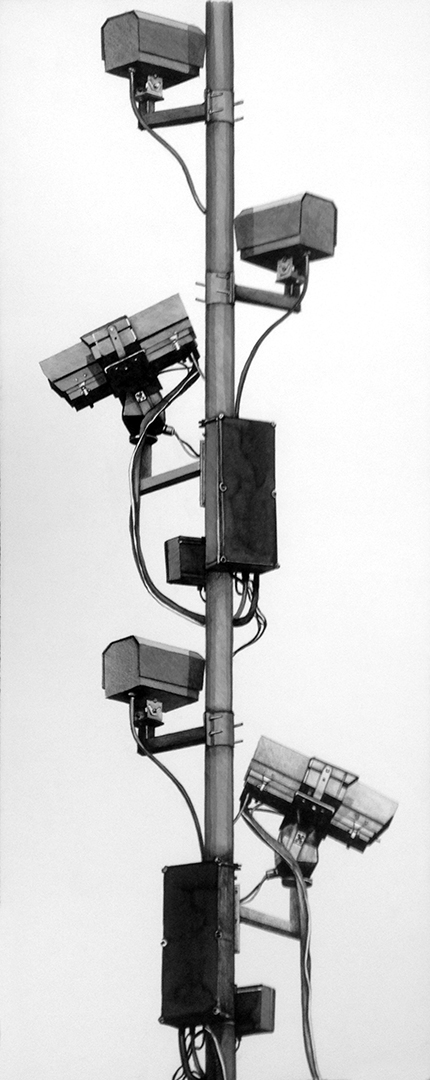
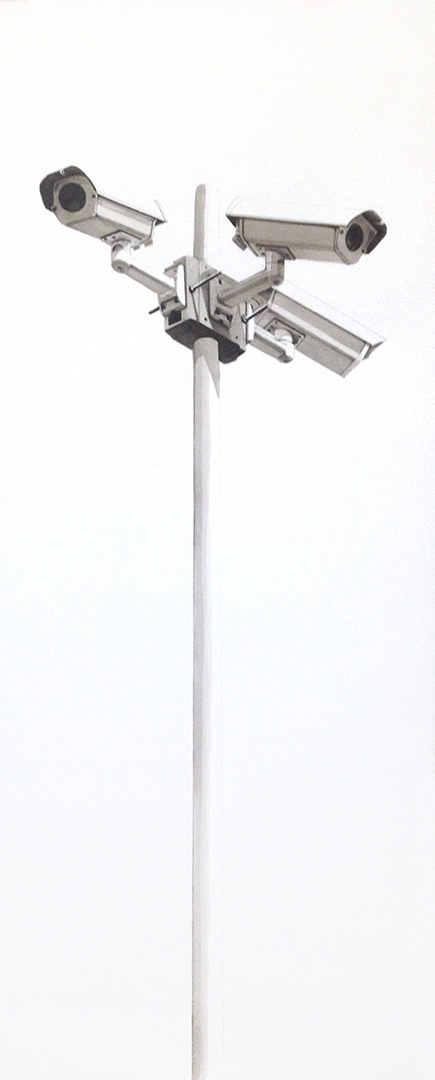
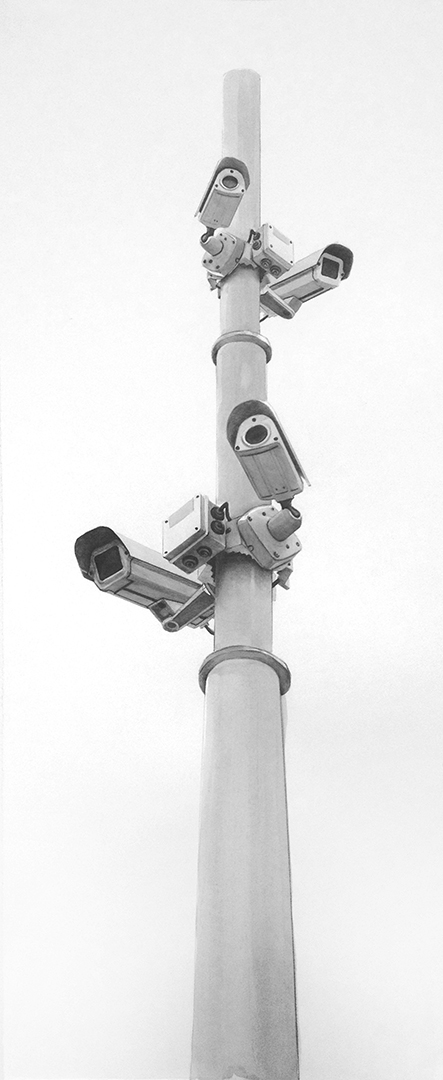
As an artist, I am fascinated by the way in which surveillance cameras have become ubiquitous in modern society. These cameras are omnipresent, and yet they often go unnoticed by the public. These works seek to draw attention to the use of these devices, highlighting their presence and their impact on our daily lives.
CCTV consists of a small set of ink and pencil drawings related to the widespread increment of surveillance intended to record human behavior in contemporary societies where more CCTV cameras, magnetometers, BioWatch air-sniffers, razor wire, concrete fortifications and all the rest of the machinery of security and surveillance have become so much a part of the furniture of life that we barely notice them.
In creating these drawings, I am also exploring the larger themes of surveillance, privacy, and control. By drawing attention to these cameras, I hope to spark a conversation about the ways in which our lives are monitored and controlled, both in public spaces and in the digital realm.Ultimately, this work is a reflection of the world we live in. It is a reminder that even as we go about our daily lives, we are being watched and monitored. Through this series, I hope to instigate a greater awareness of these issues, and to encourage viewers to think critically about the impact of surveillance on our society.
The Death of Fear. 2011-2016
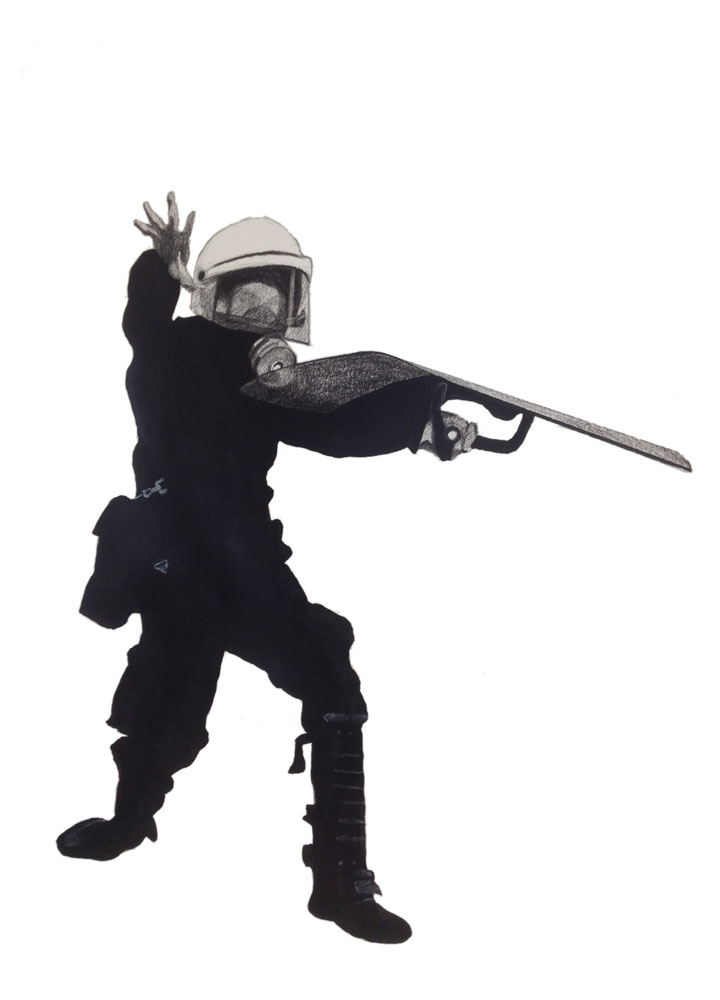
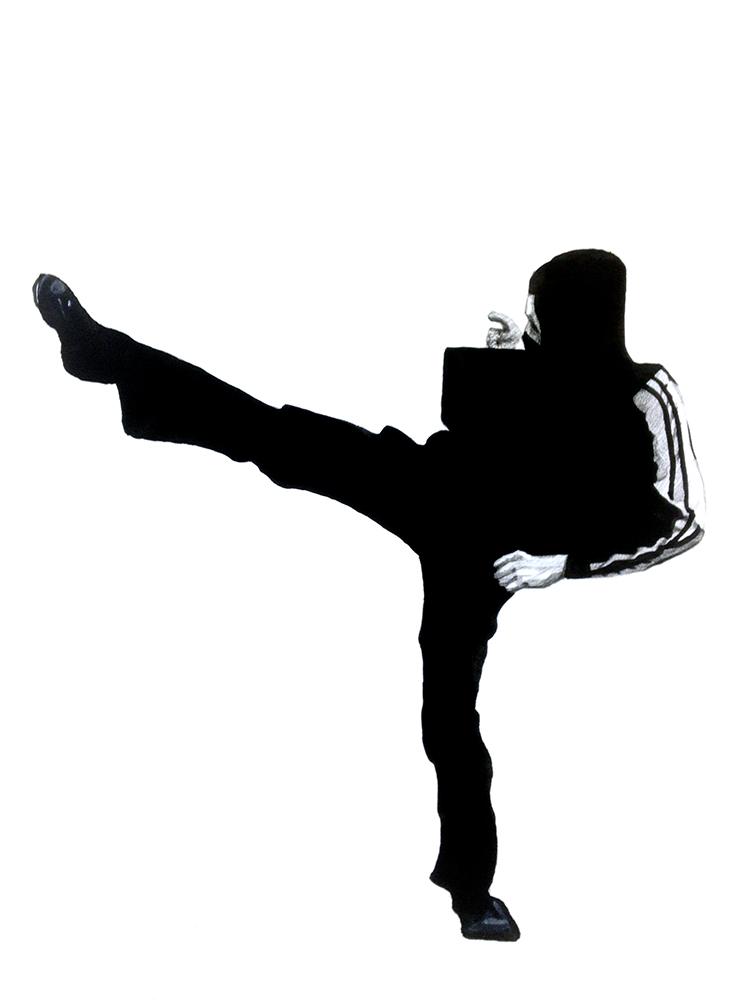
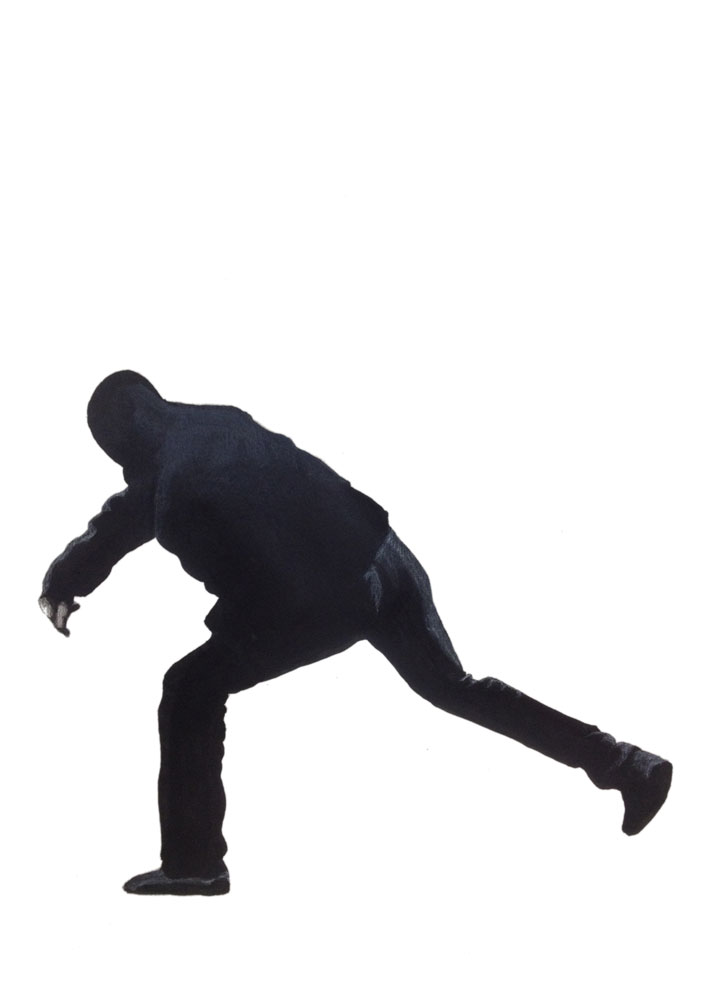
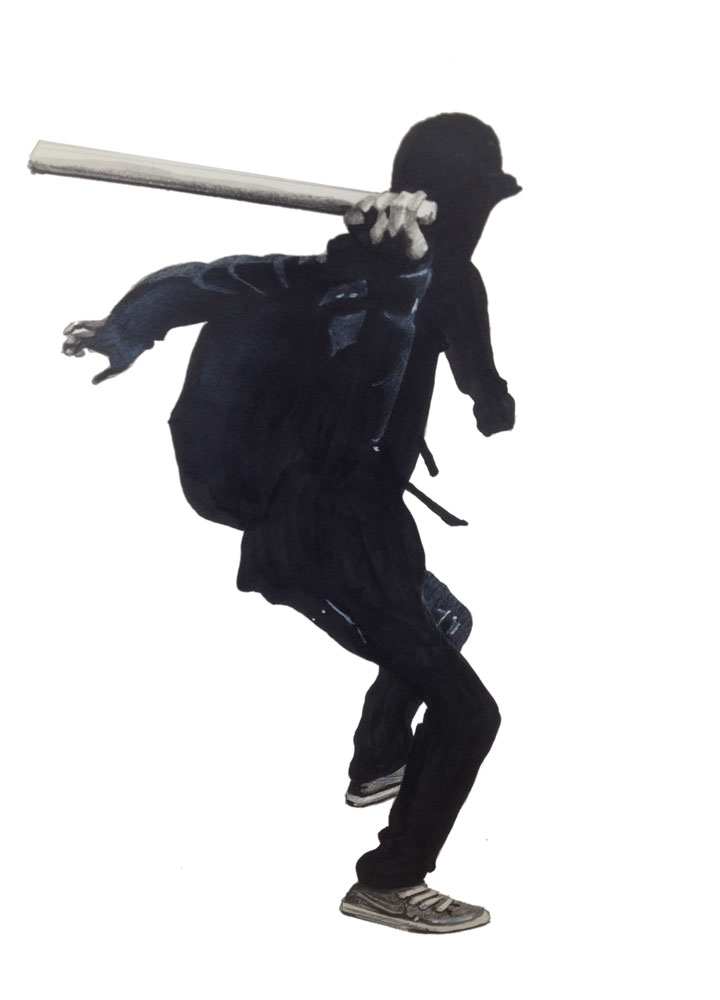
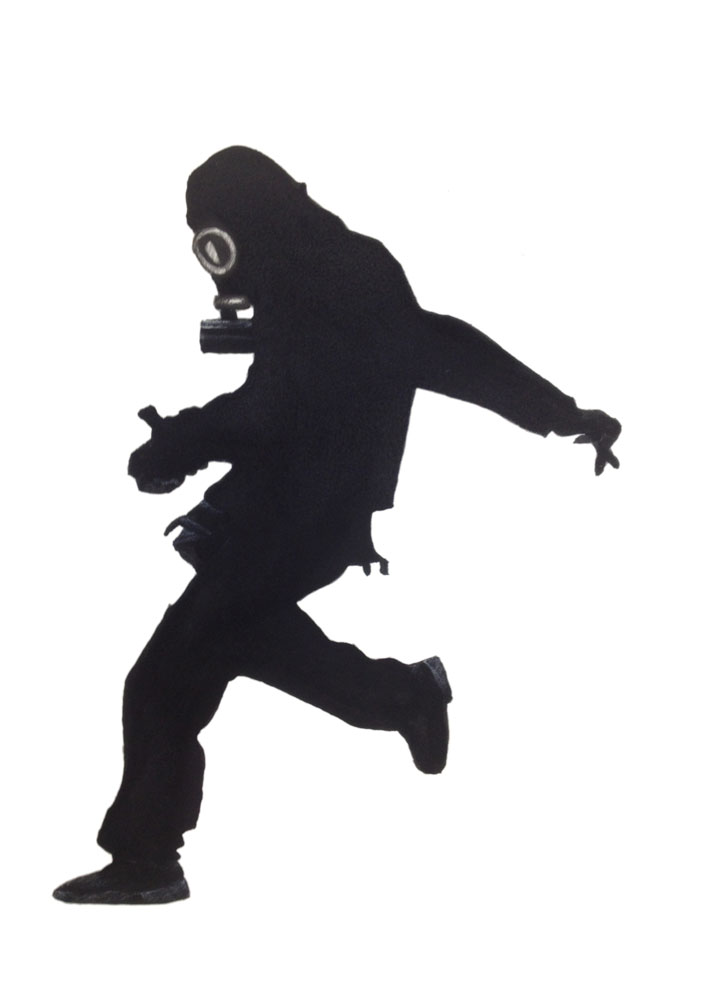
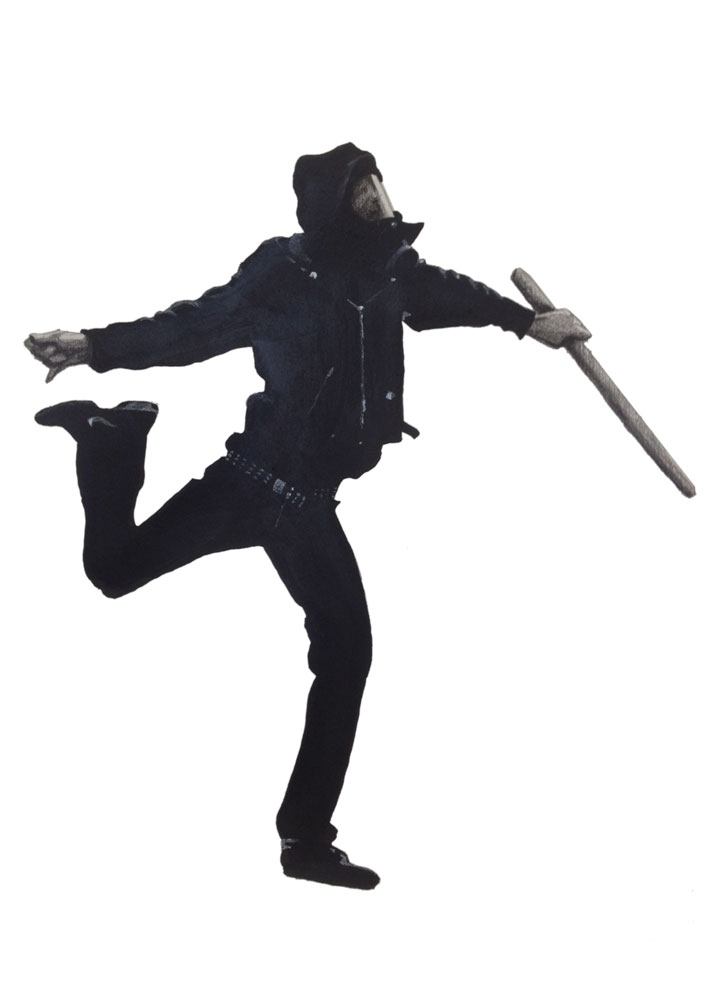
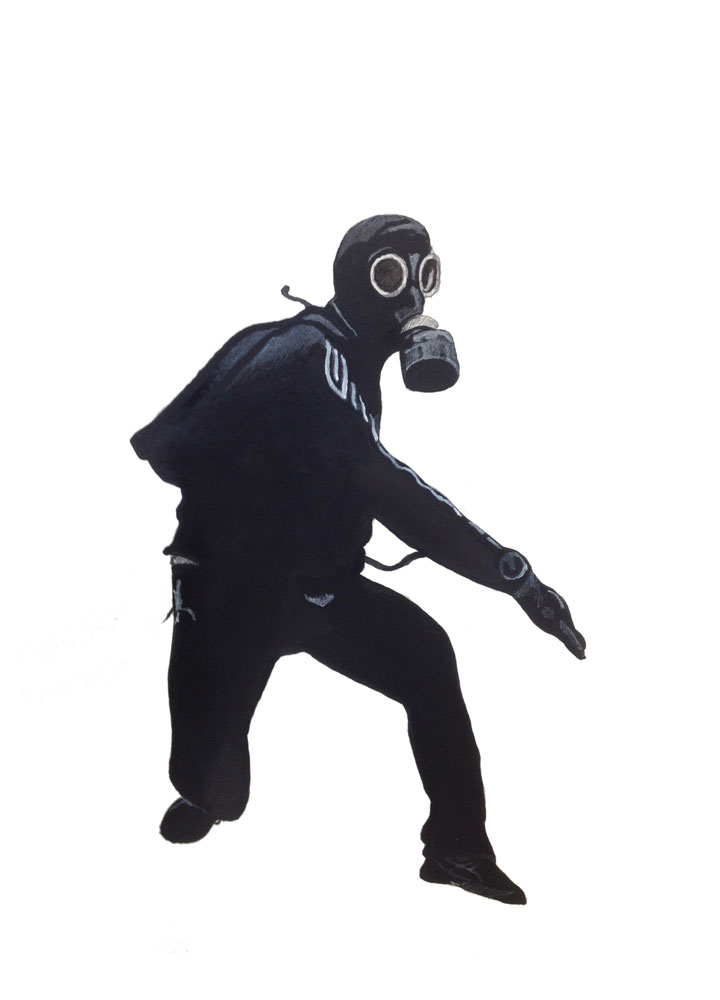
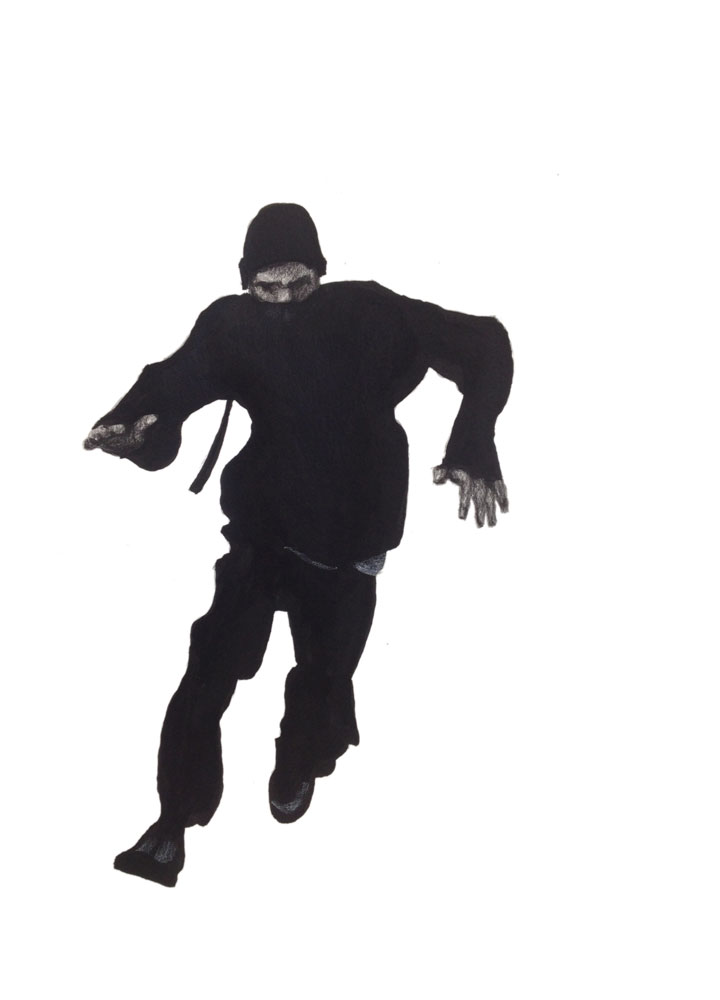
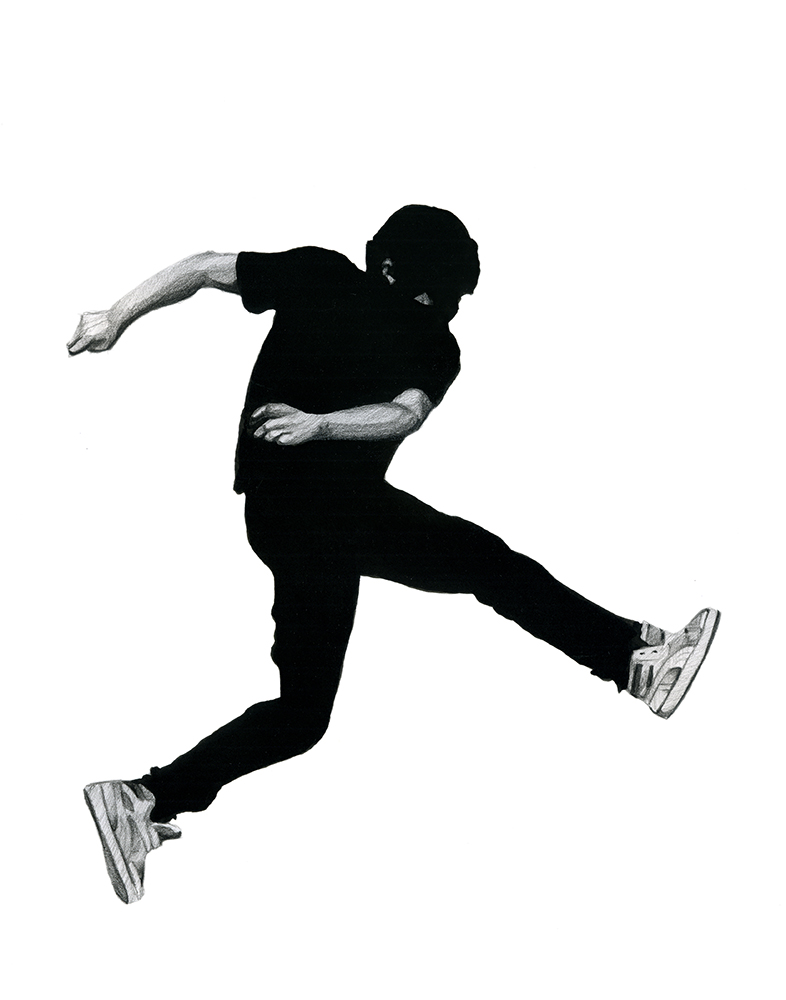
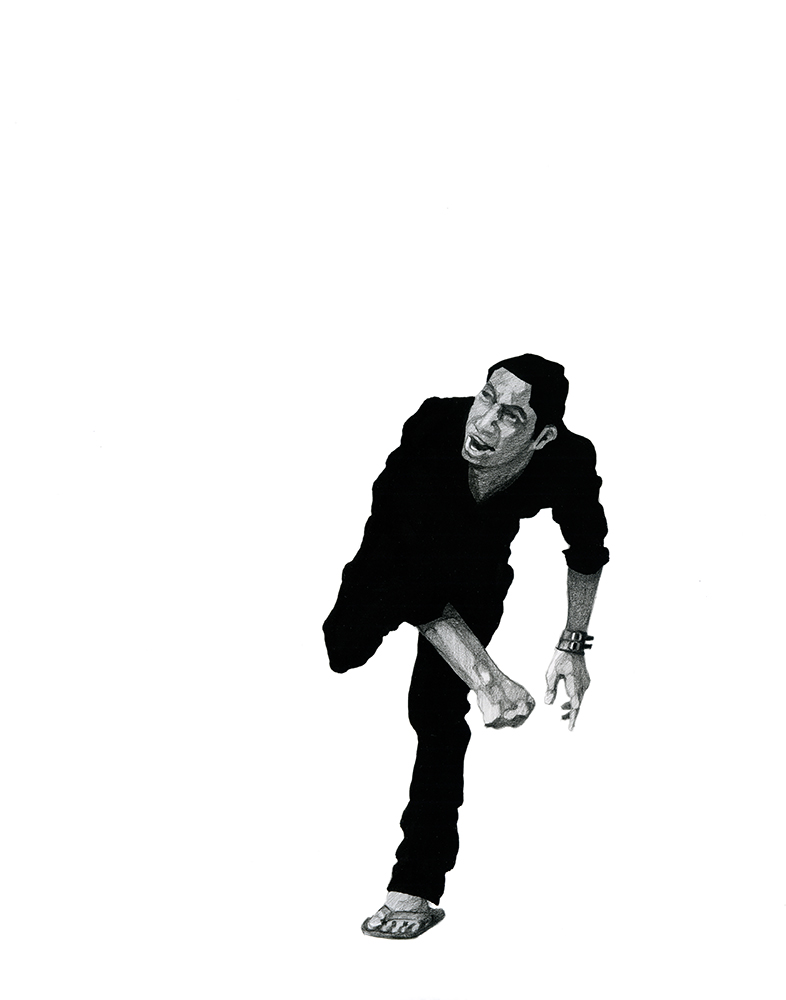
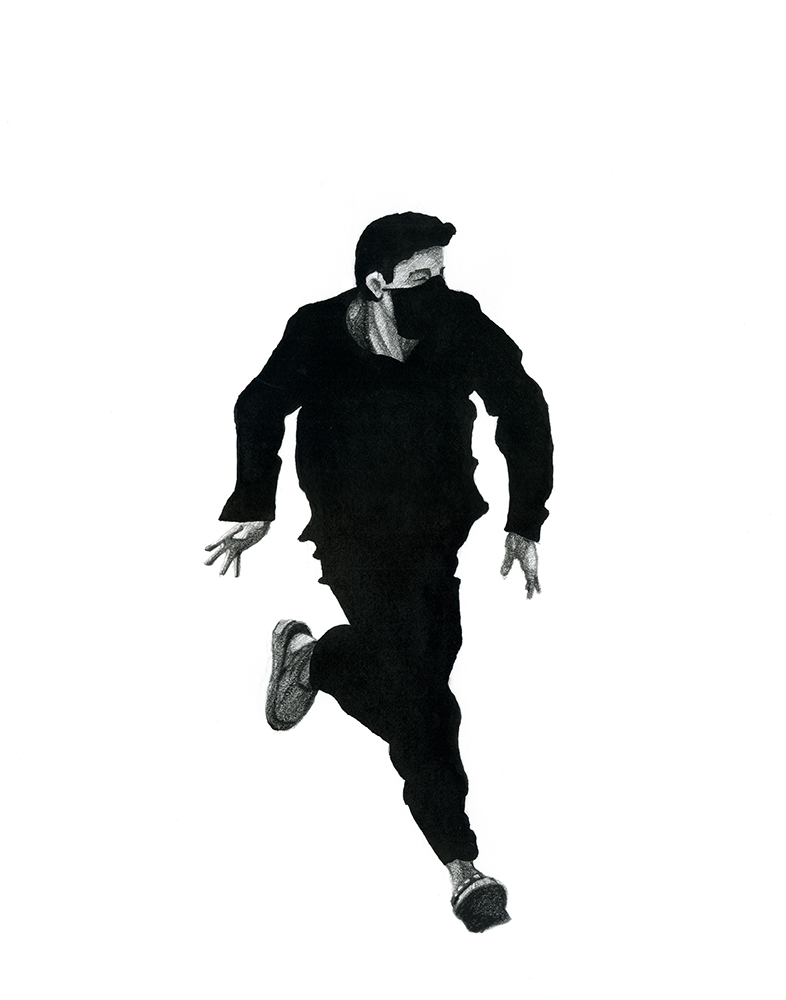
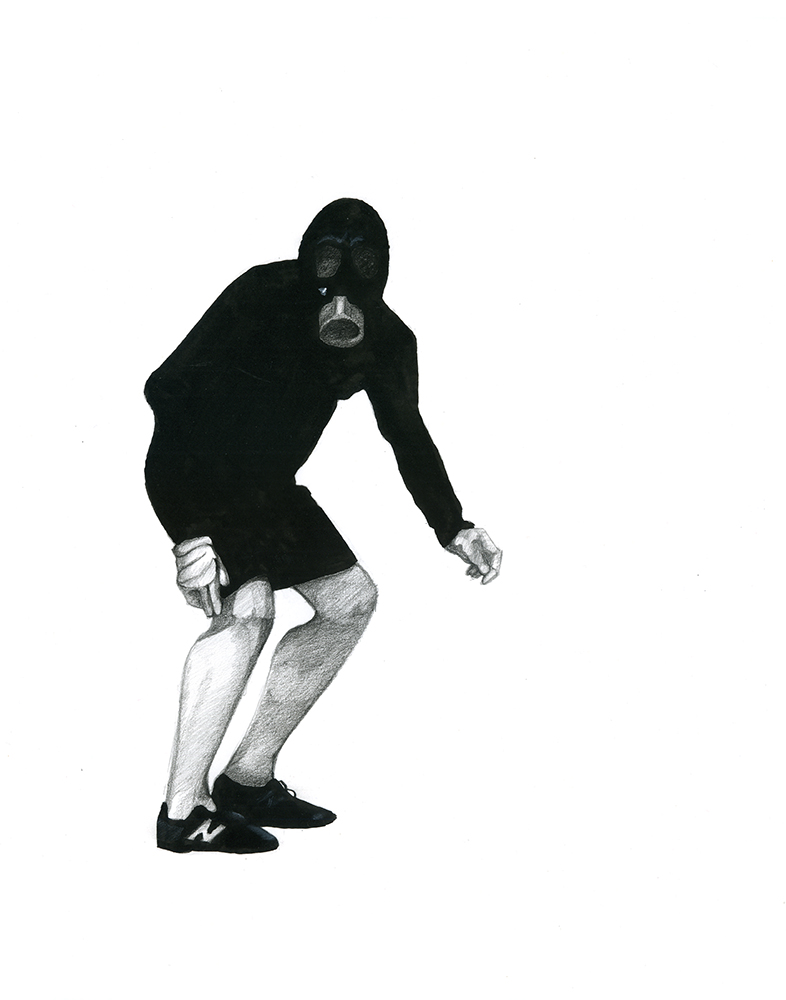
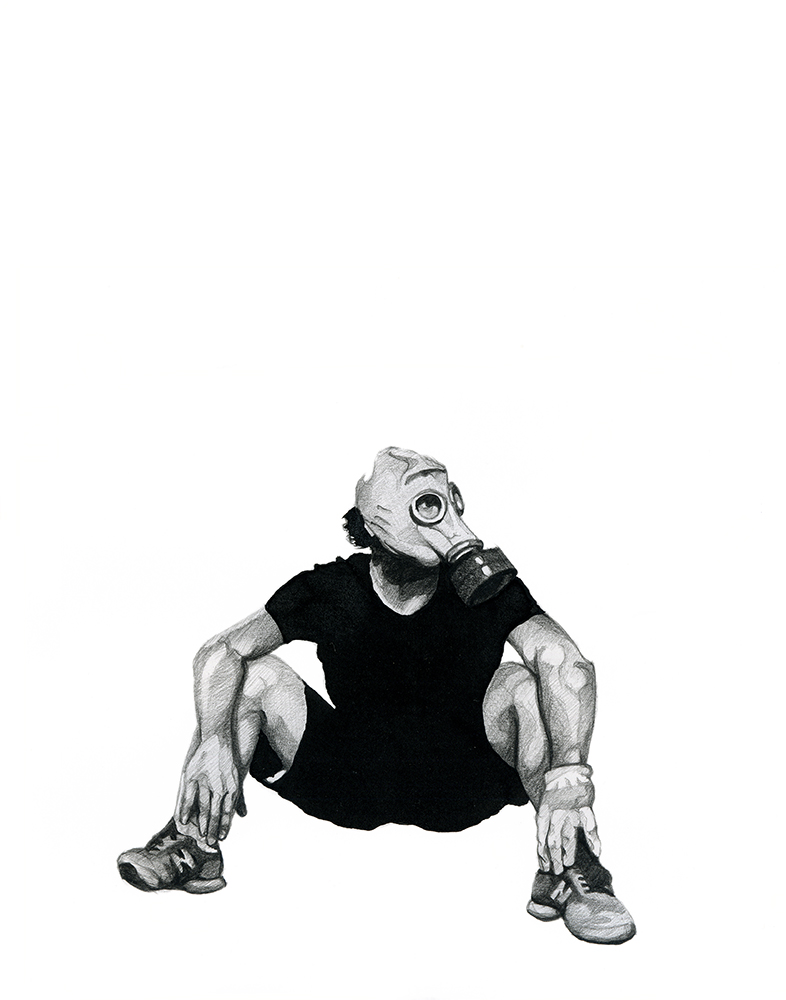
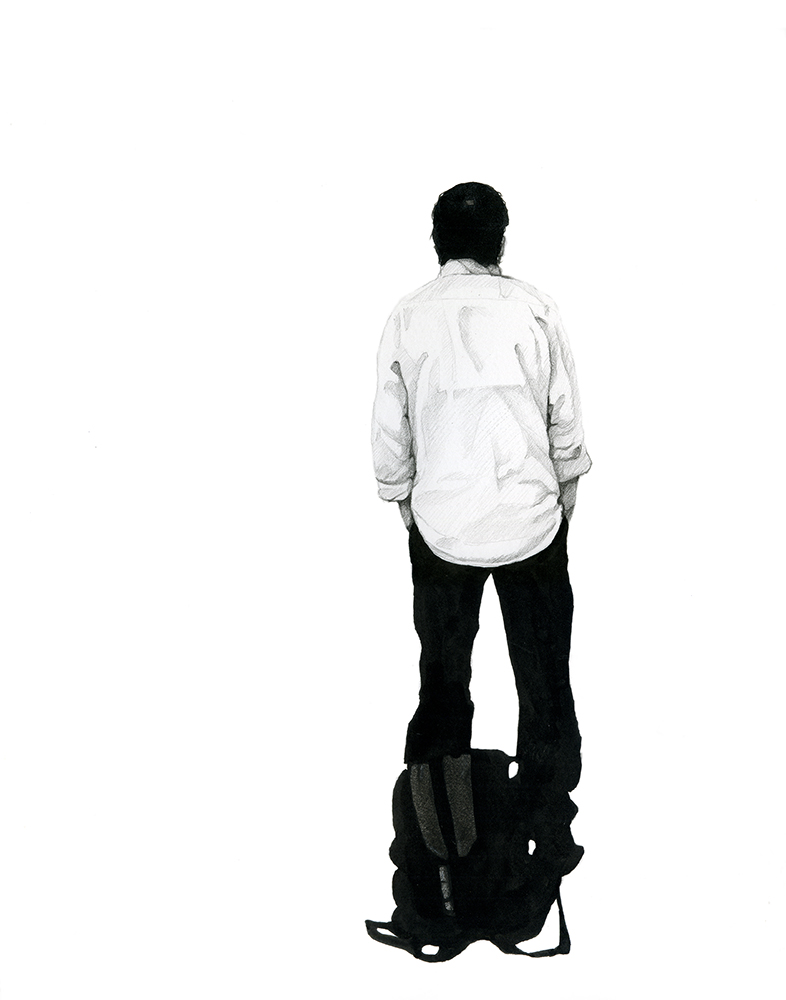
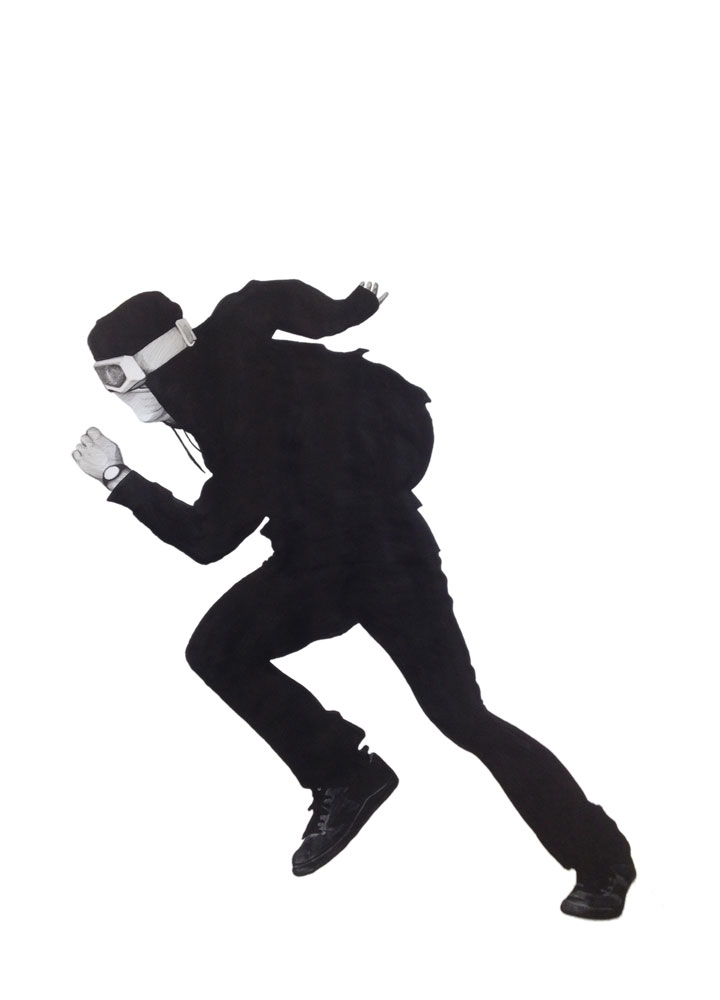
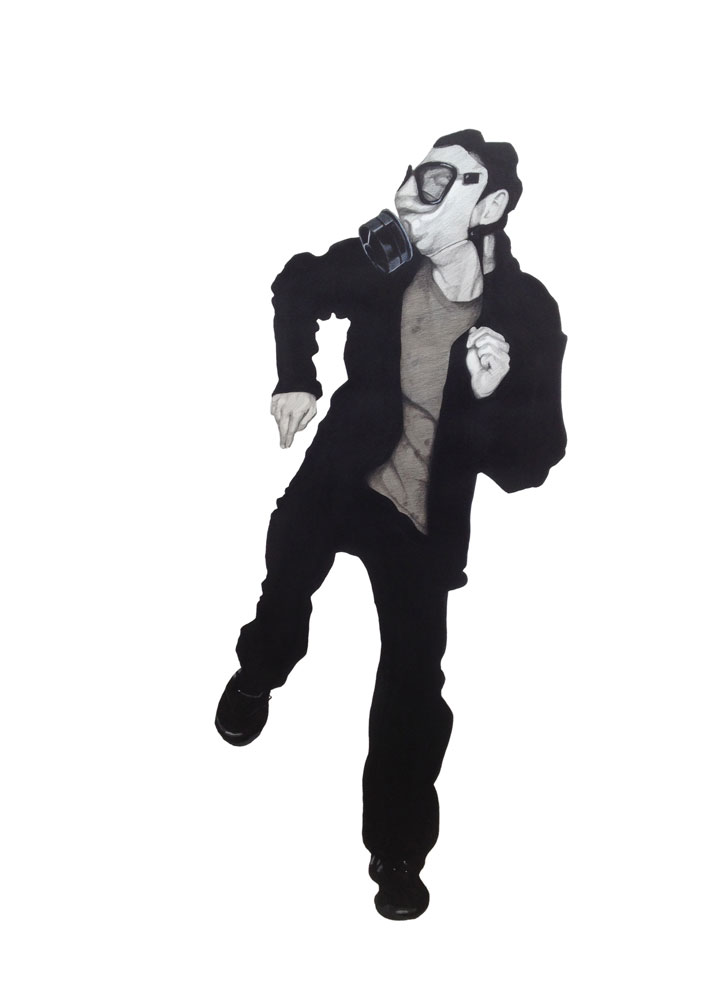
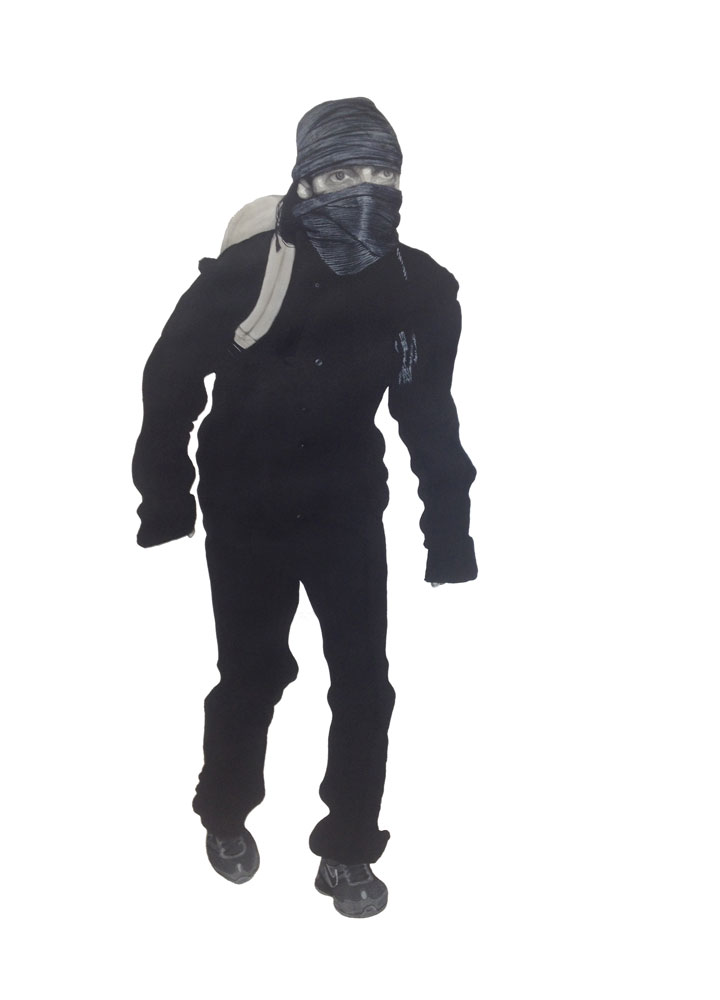
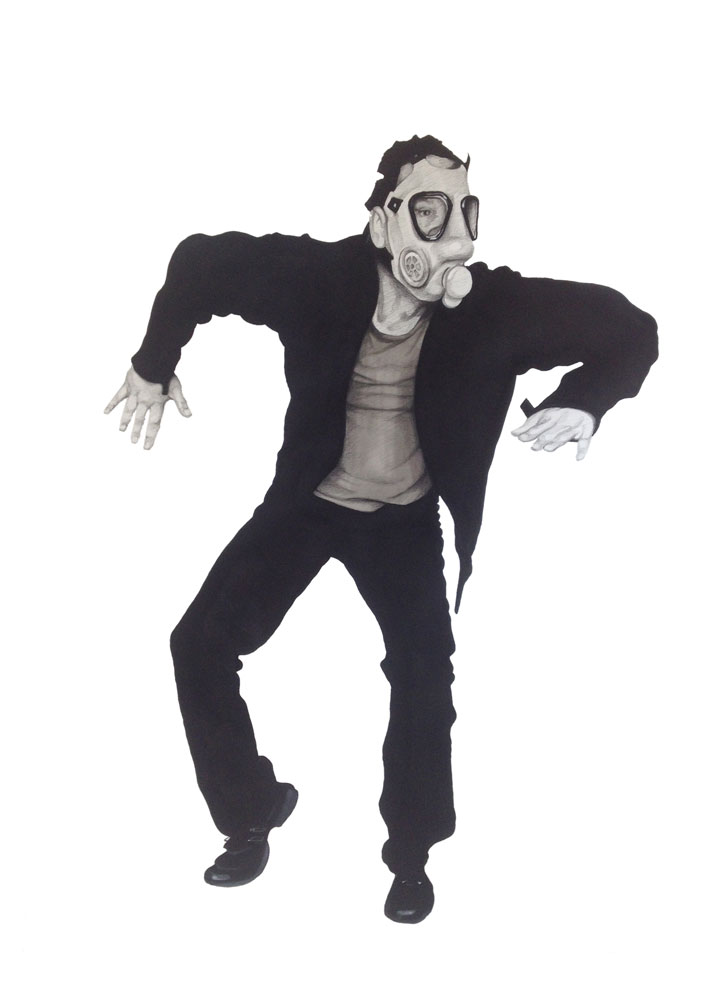
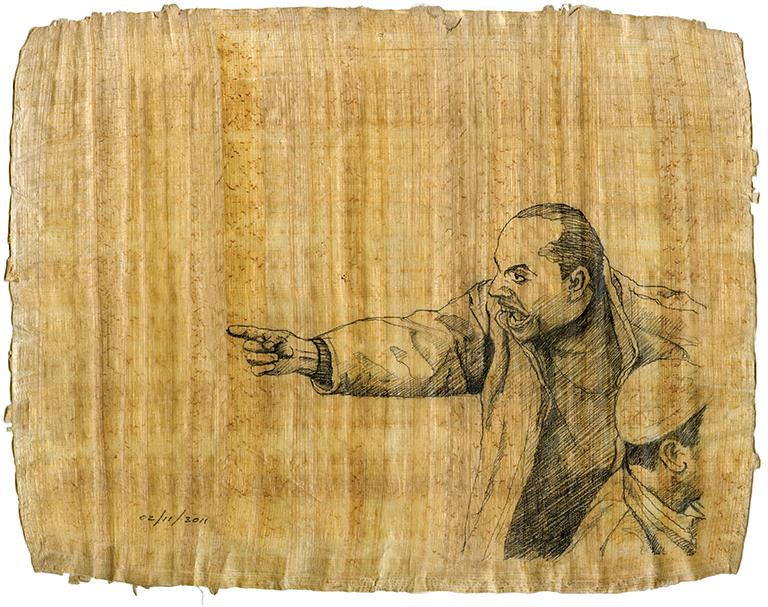
“Anywhere on the globe, conflict is never a simple matter in black and white. Instead, there exists an infinite spectrum of intertwining complexities in gray. With pencil and ink, Nelson Gutierrez ponders the grays of dissent within two series of black and white drawings. Masterfully drafted, The Death of Fear series depicts individuals on both sides of protest -activist and suppressor- isolated in fields of blank white. Devoid of any identifiable setting, each figure has been extracted from their original context and drawn from archival photographs documenting actual uprisings, demonstrations, rallies, and riots around the world.
Since 2011, Gutierrez has amassed almost one hundred snapshot illustrations of individualized insurrection. Using portraits the size of a magazine page, he has built a grid of lone active participants, that when displayed together, seem as if they could be counterparts of the same cause. Engaged in the dance of protest, each person occupying the grid brings their own story and intention to the front lines. What becomes interesting to consider are their commonalities, despite divergent ideologies, faiths, motives, and personal values that may exist within the exhibited matrix. Strategically, the artist withholds overt clues that would otherwise betray their individual political positions or geographic locations, allowing the viewer to relate to the humanity of each person without opportunity for prejudgment. His larger scale drawings brings the viewer eye to eye with the dissenter, cutting the physical distance that too often leads to indifference.”
Mandalas. 2012-2016
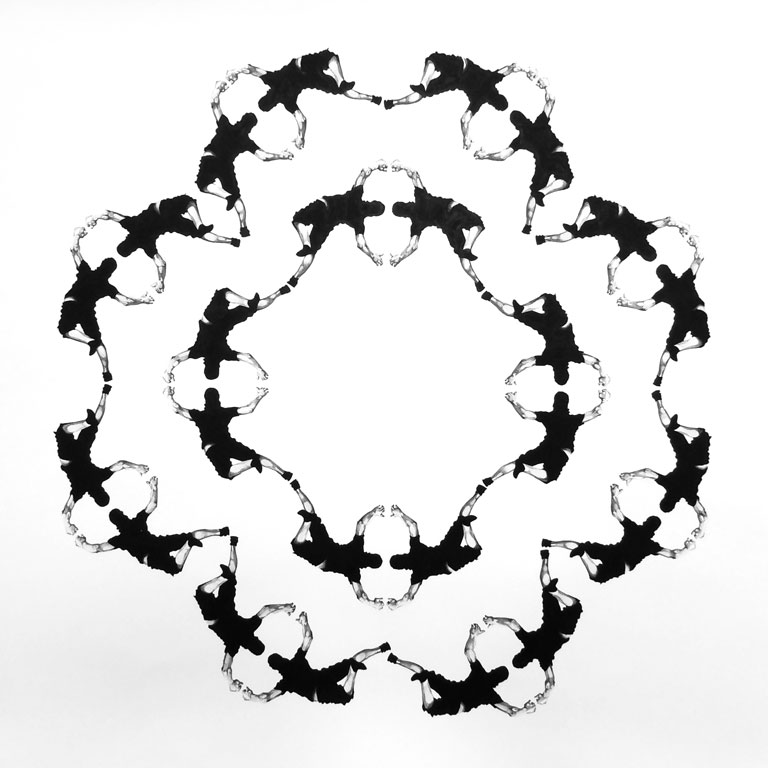
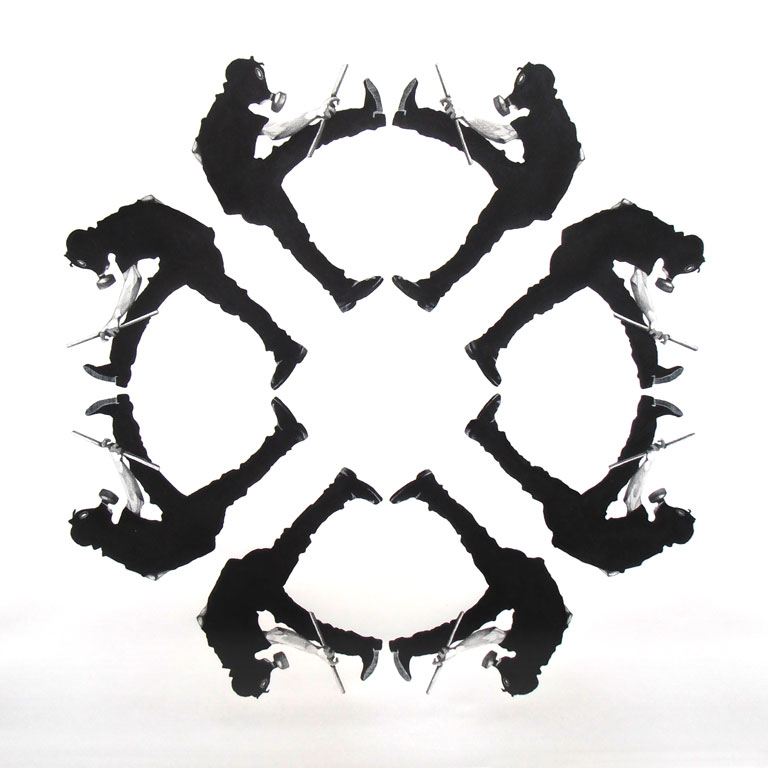
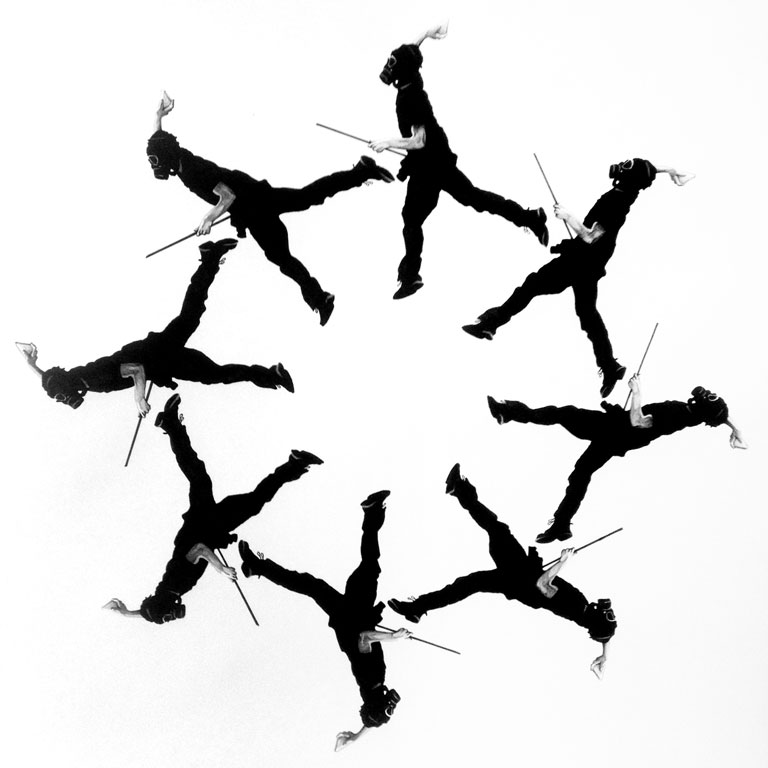
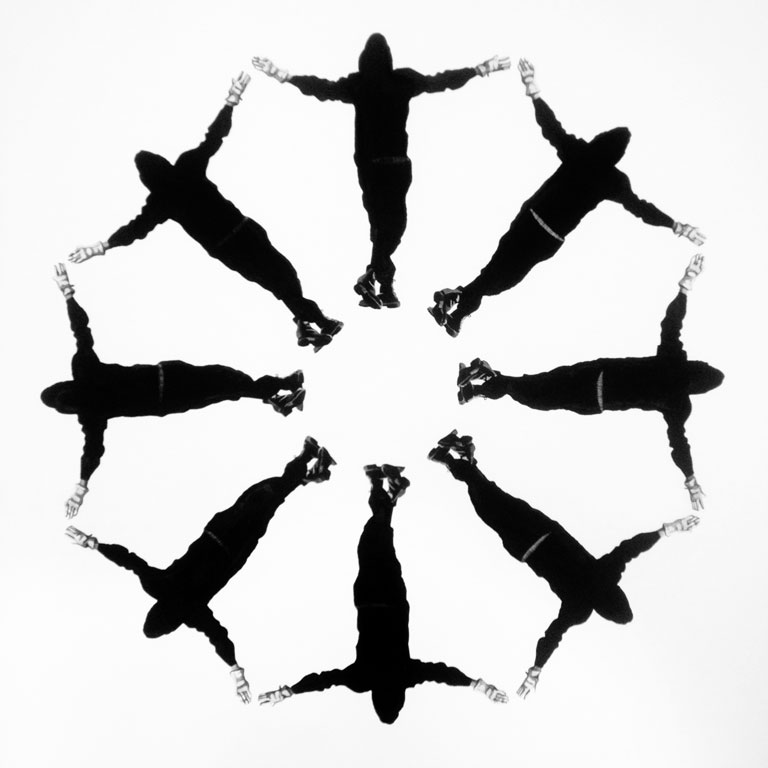
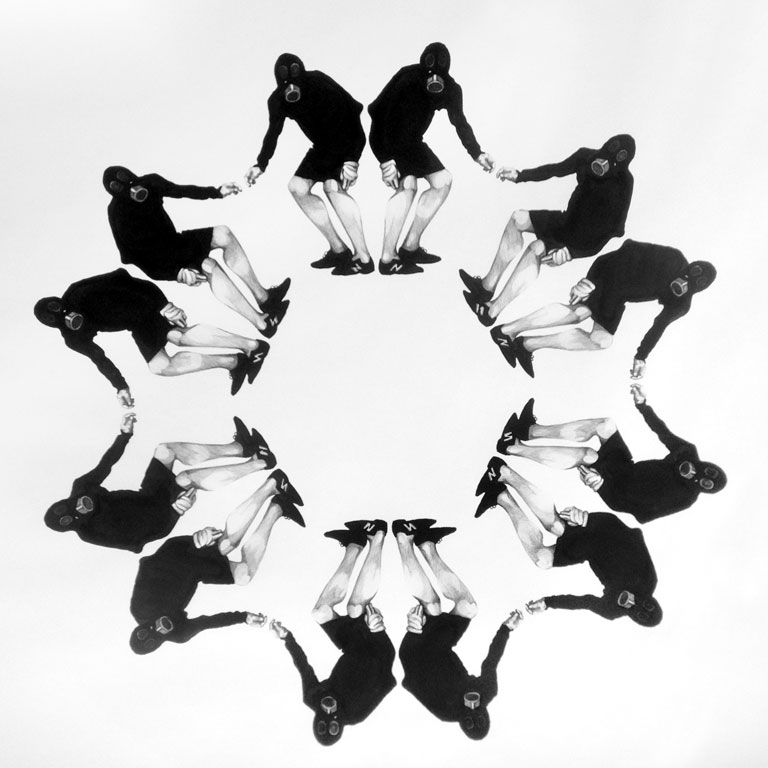
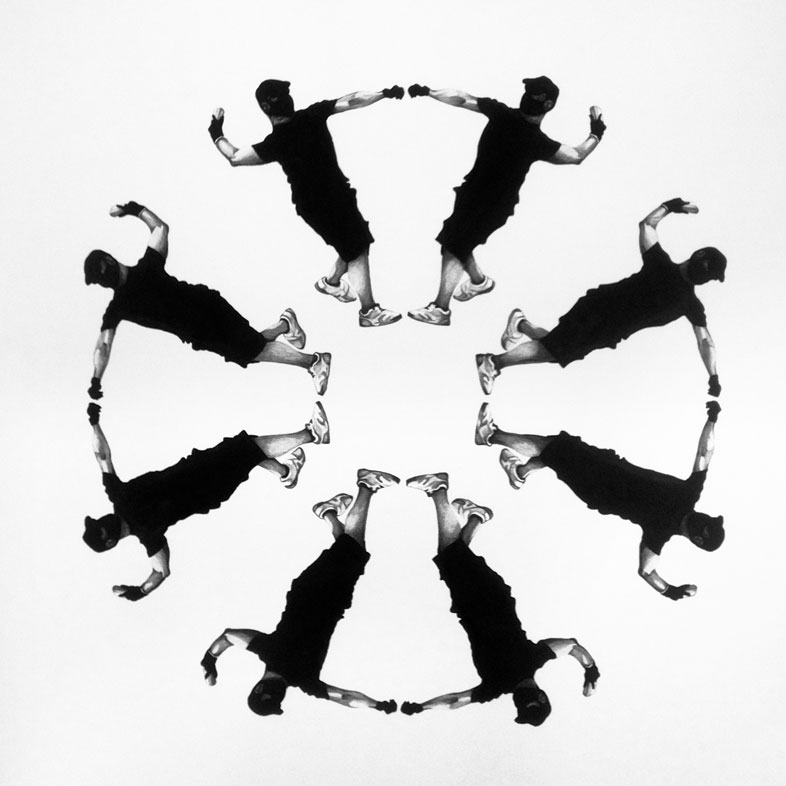
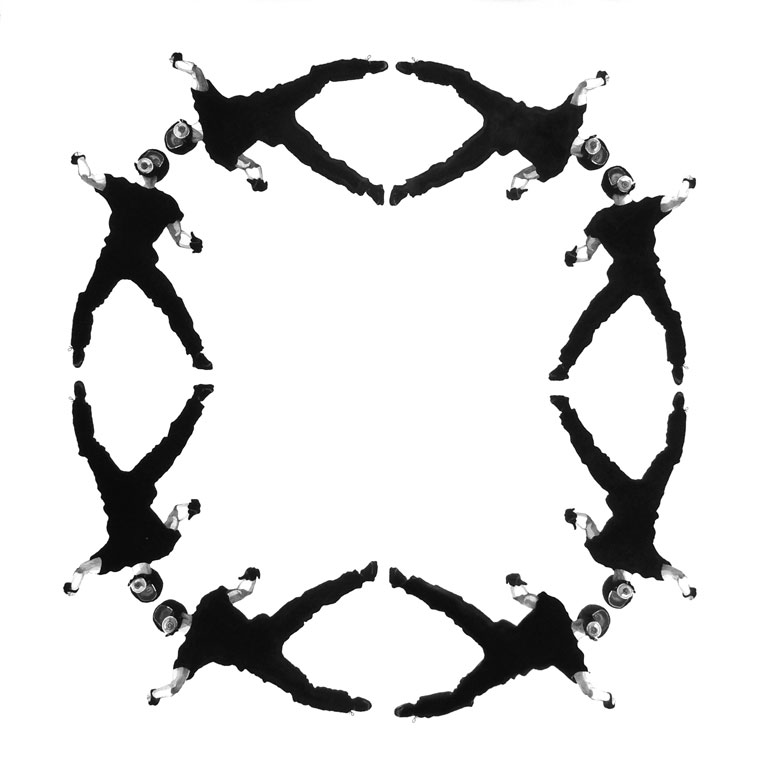
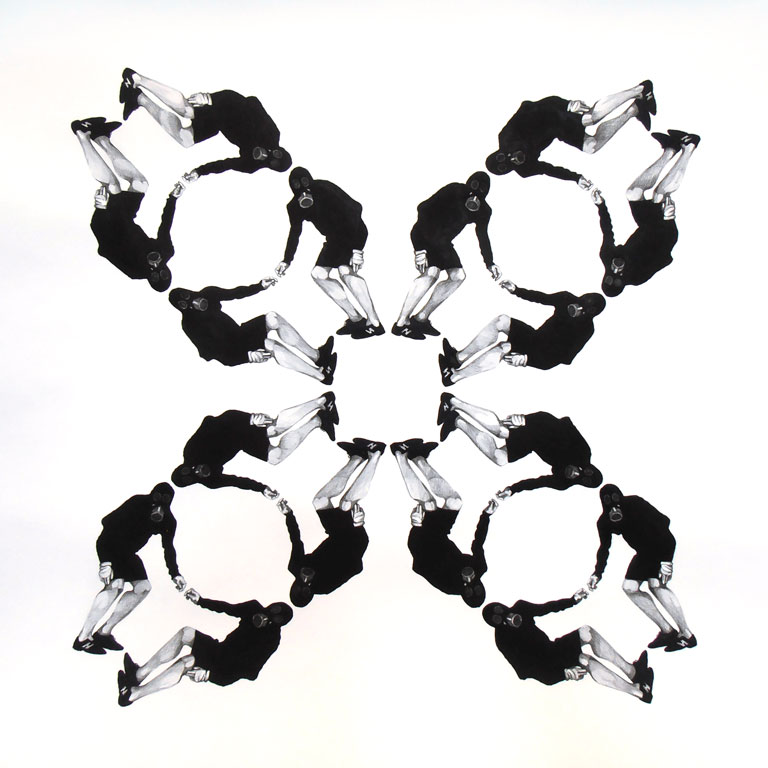
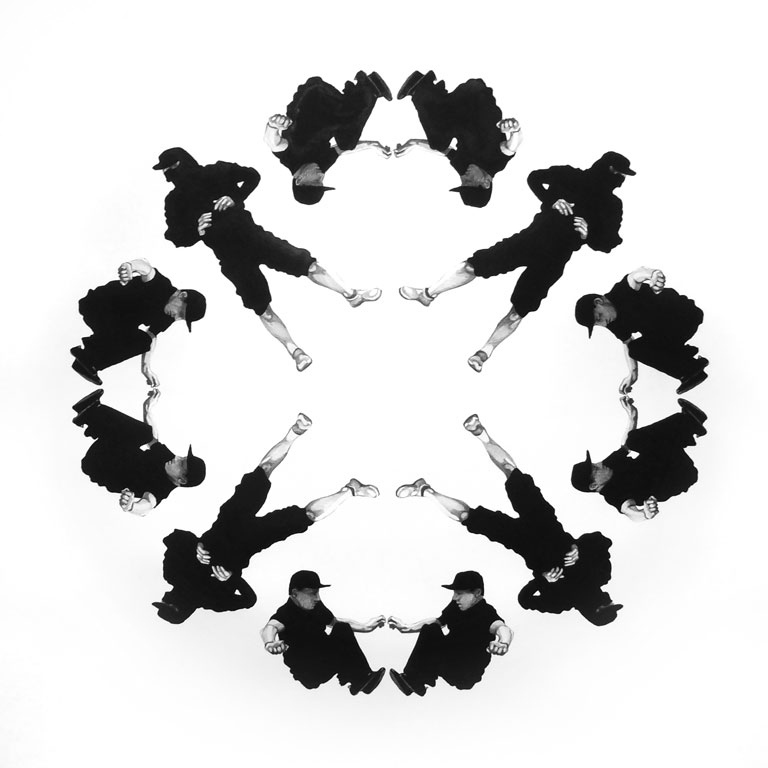
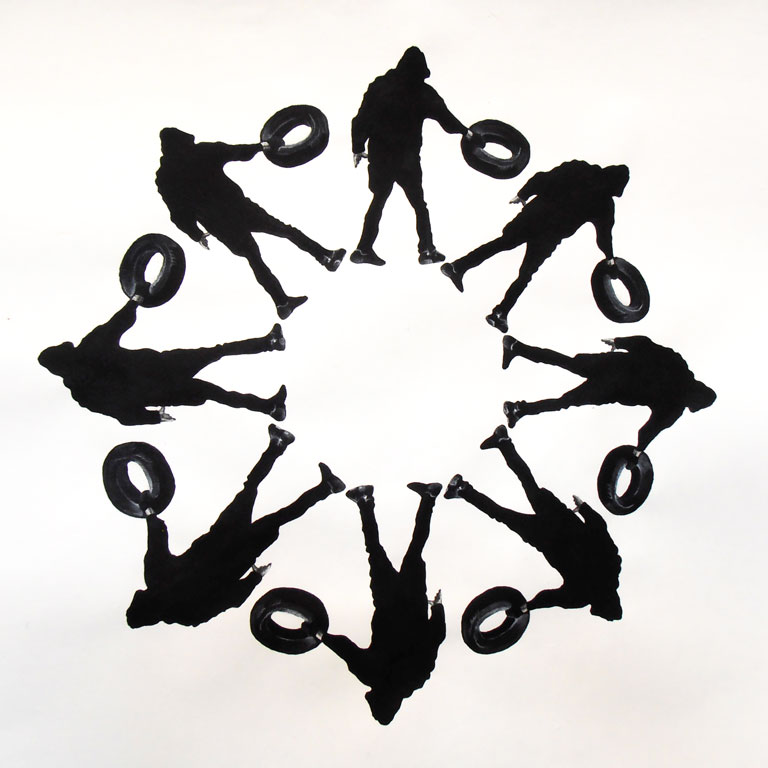
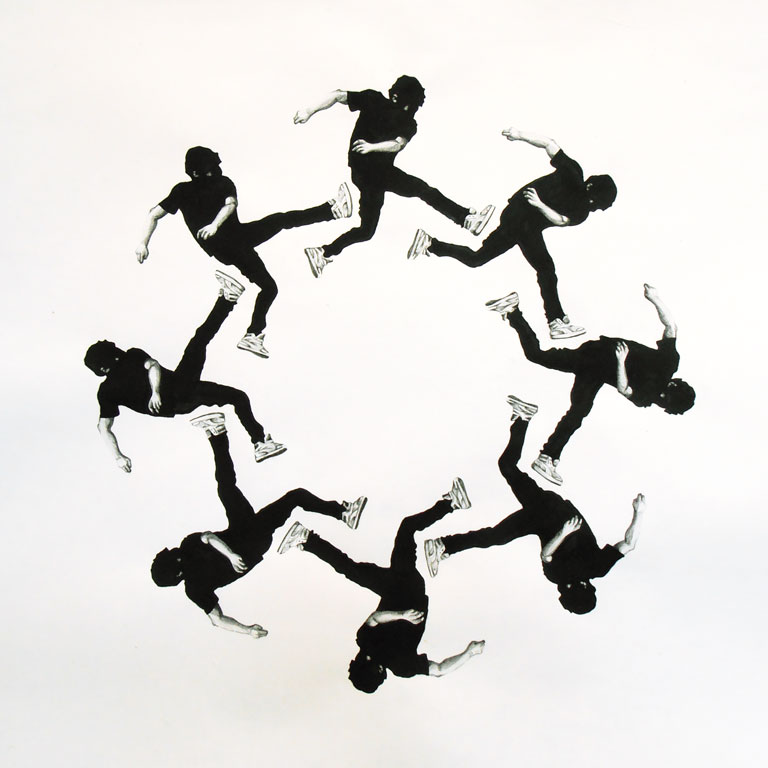
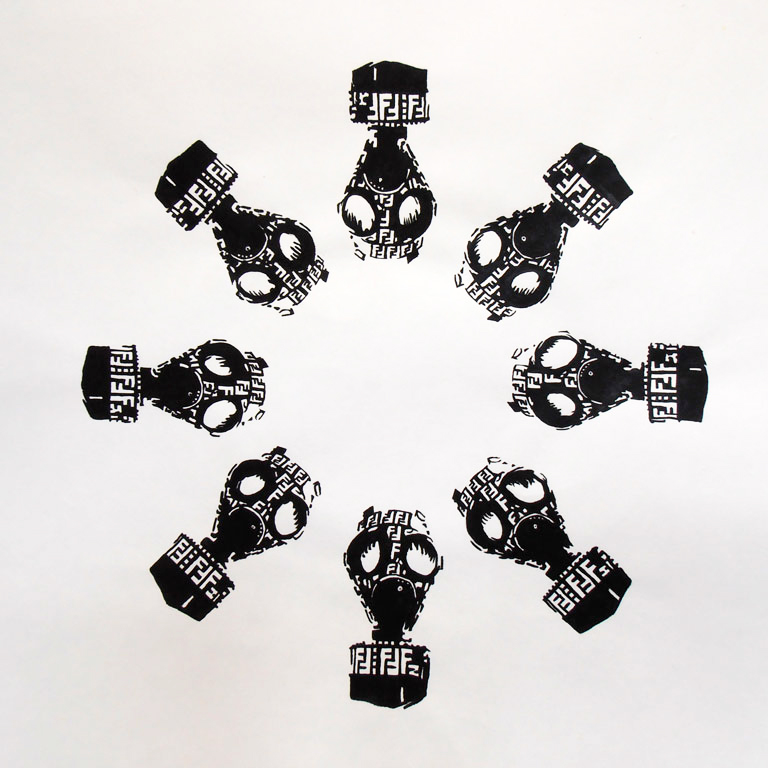
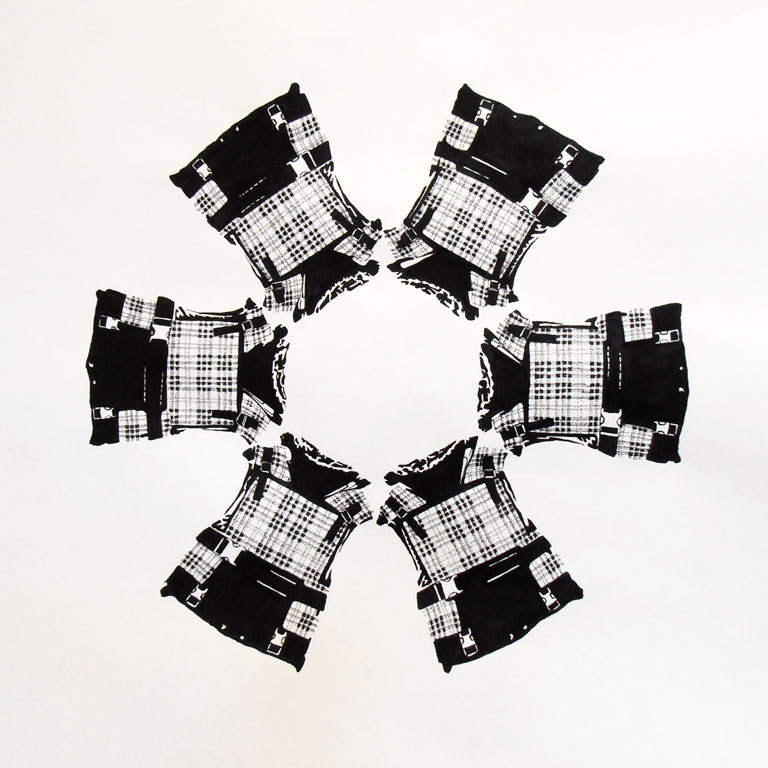
Using images from The Death of Fear to formulate their structure, the Mandalas series invokes a contemplative state of introspection, for the artist as well as the viewer. The word mandala itself is Sanskrit for “circle” and the art form has been used in Southern Asia to establish sacred space, focus meditative attention, and even denote unified political formations. An intensely meditative focus was channeled to create each unique symbol, comprised of repetitive, uniform illustrations of a single figure around a center point. The repetition augments the choreography of dissent, intensifies the beauty of shapes in motion, and achieves a peaceful counterbalance to the physical aggression of each figure.
Fashionable Emergencies. 2005-2010
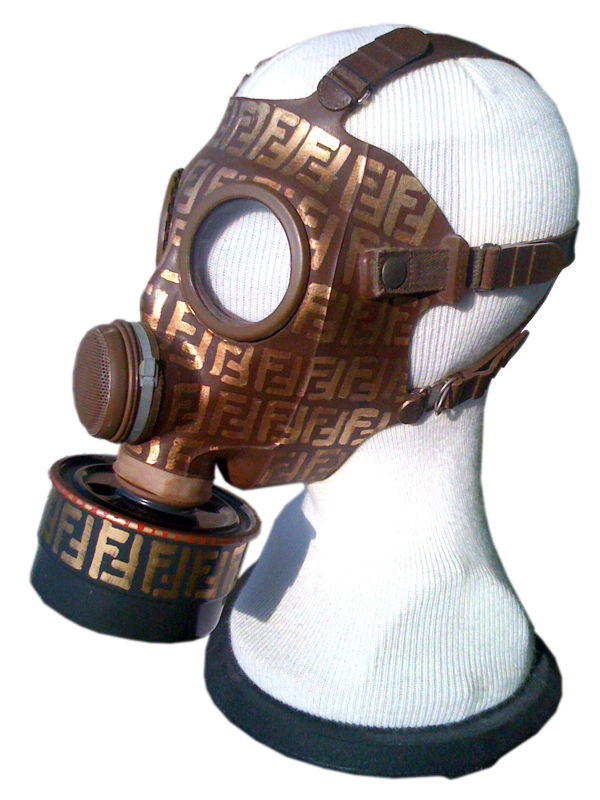
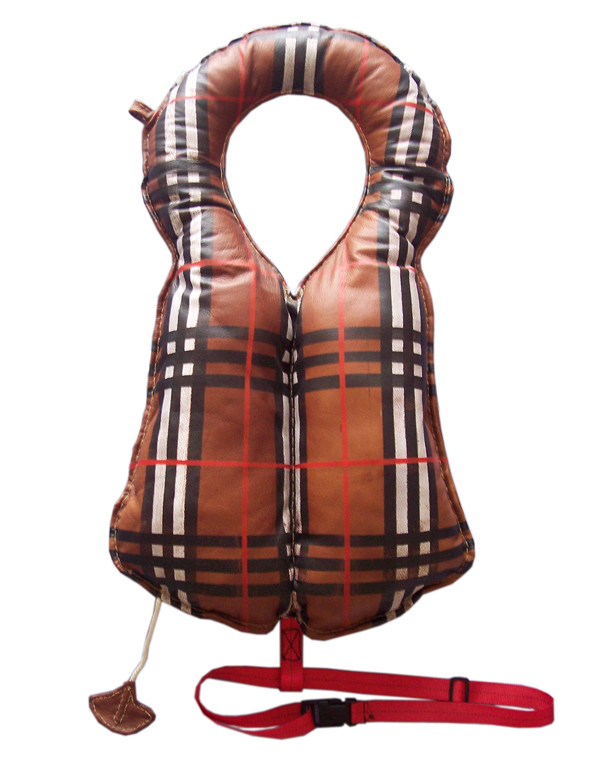
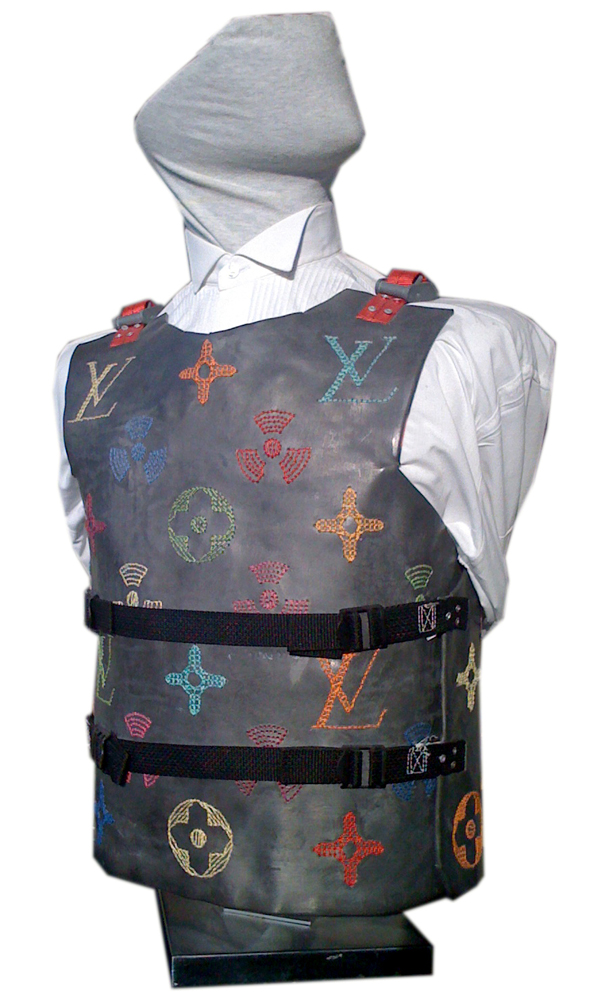
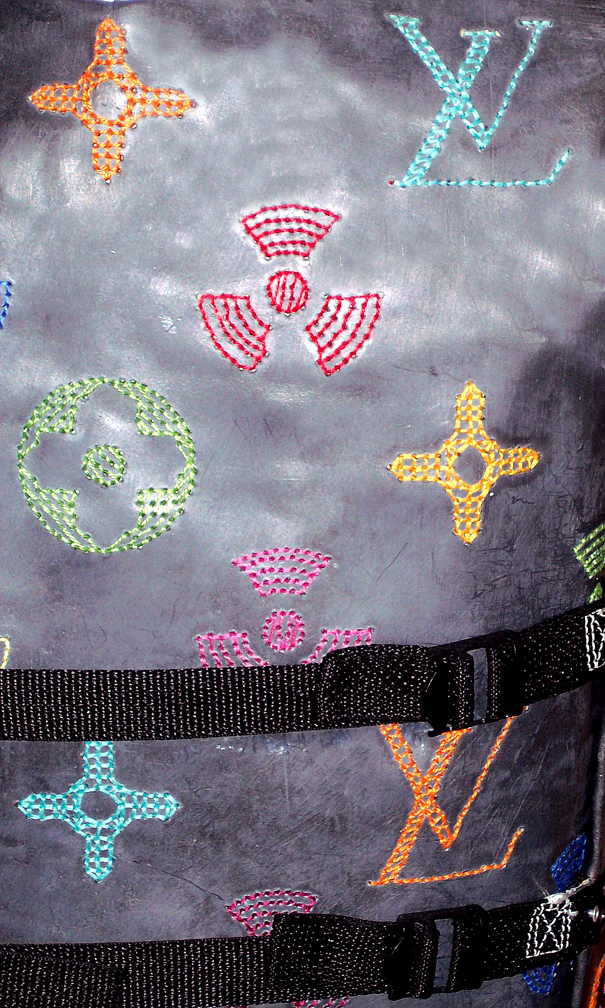
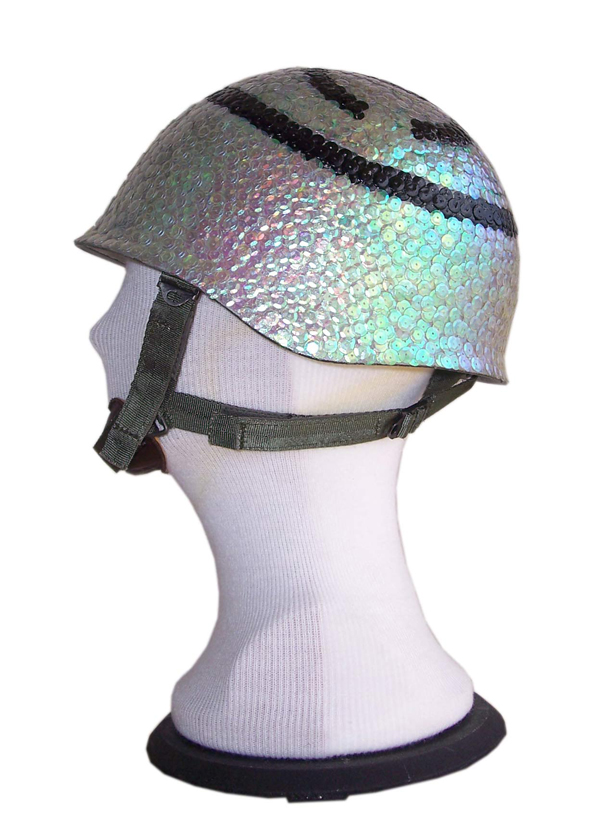
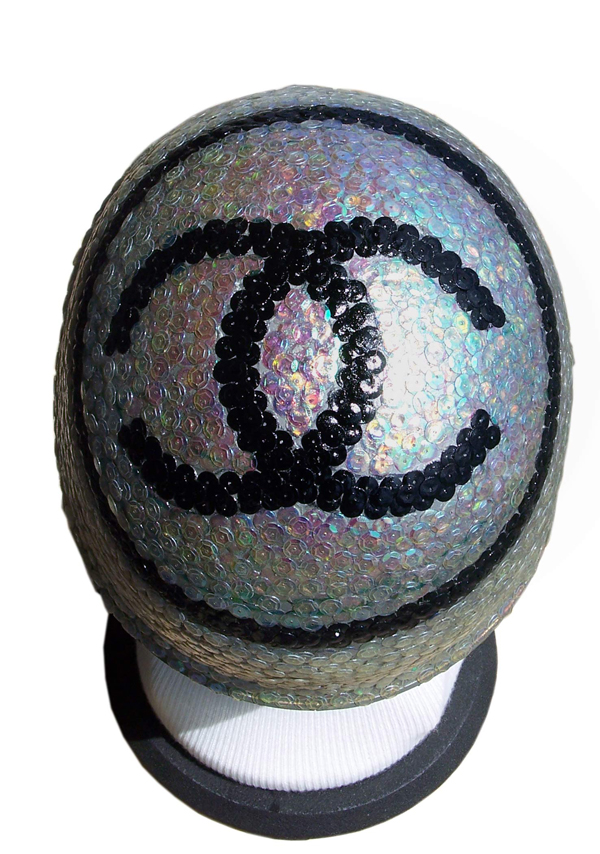
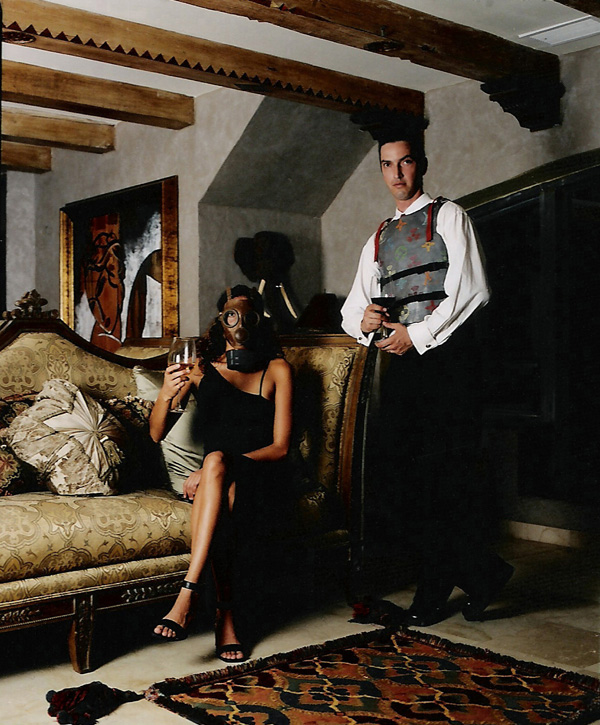
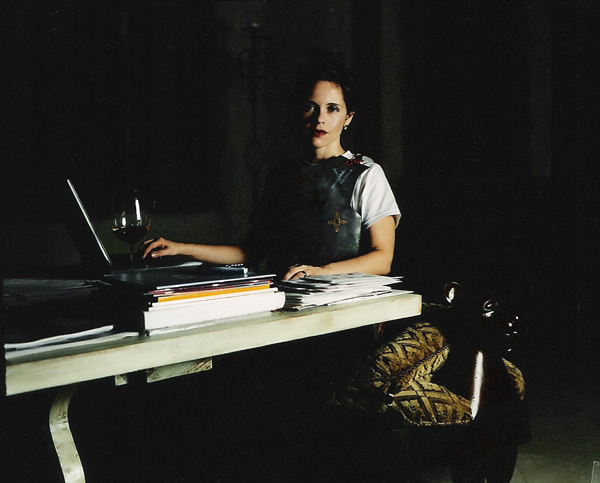
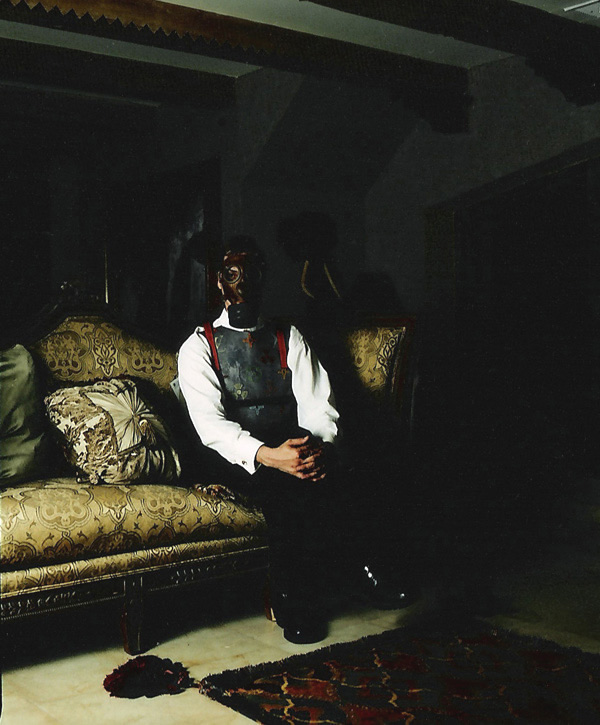
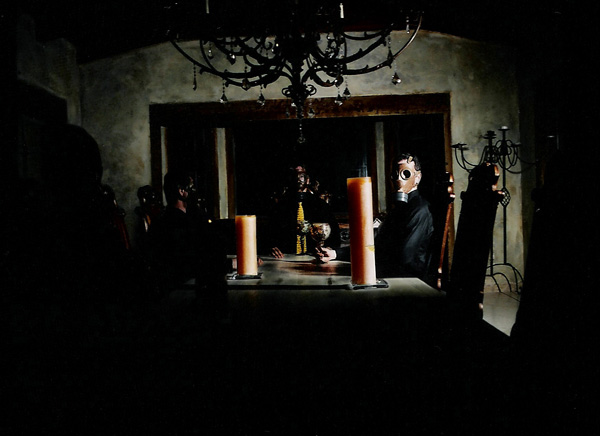
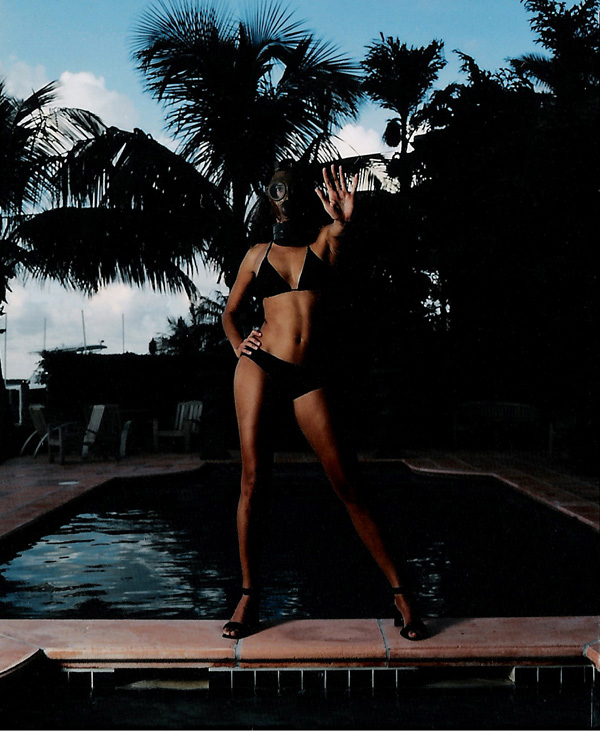
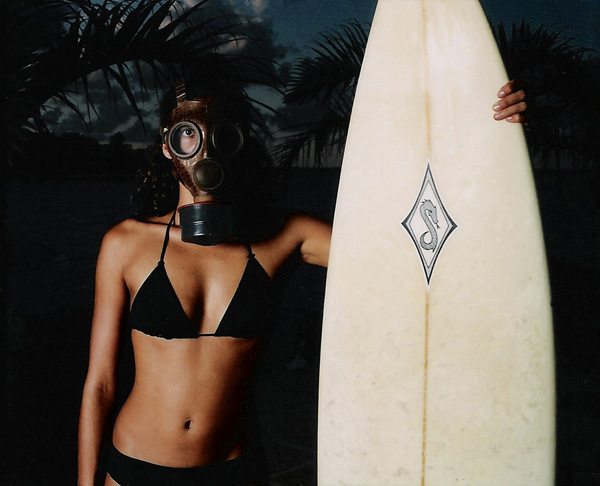
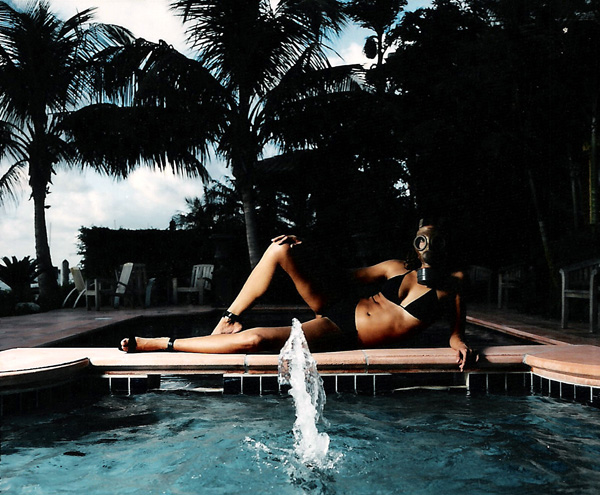
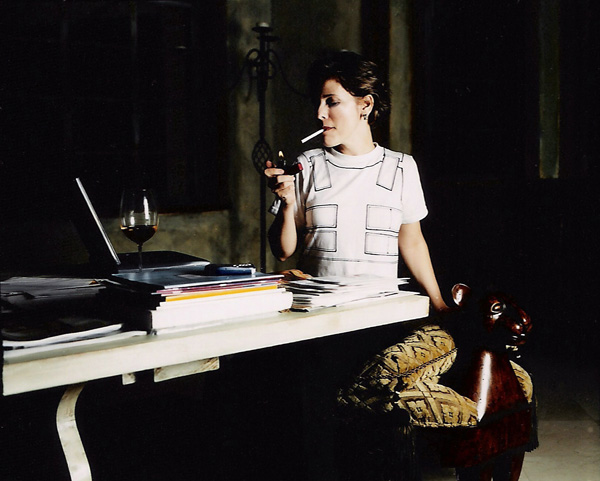
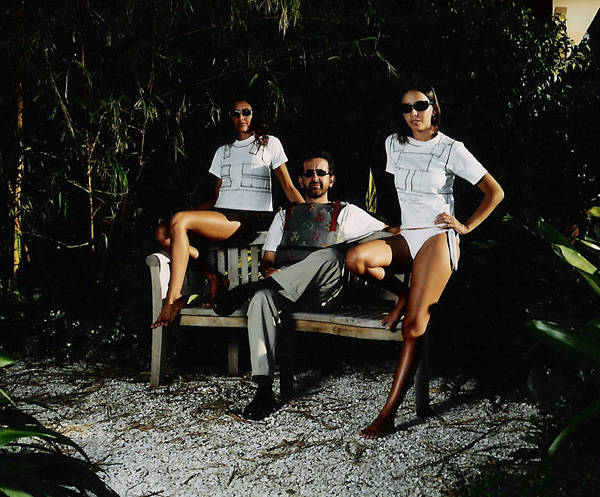
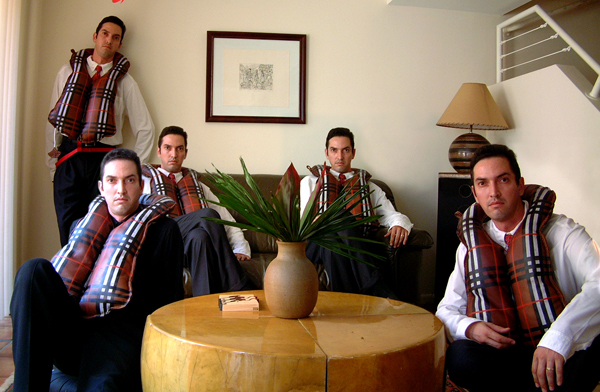
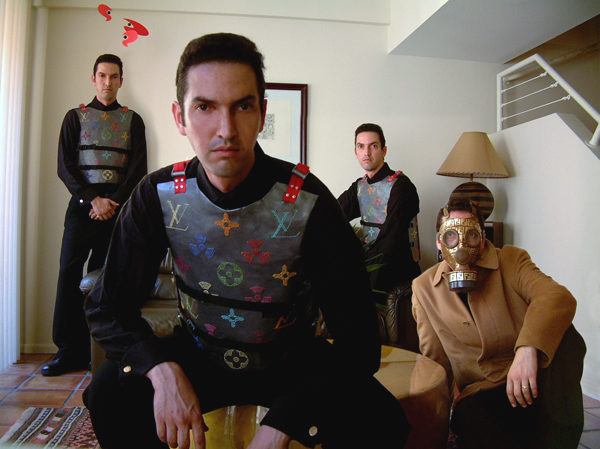
This body of works explores the correlation between mass media and consumption. The work transforms an object that usually provides personal protection, especially in high risk situations, into a functional and stylish piece of attire that can be worn on a daily basis. Like any traditional prêt a porter clothing line, these garments also call for glamorous and theatrical photo shots to promote their use.
Dog Days. 2006
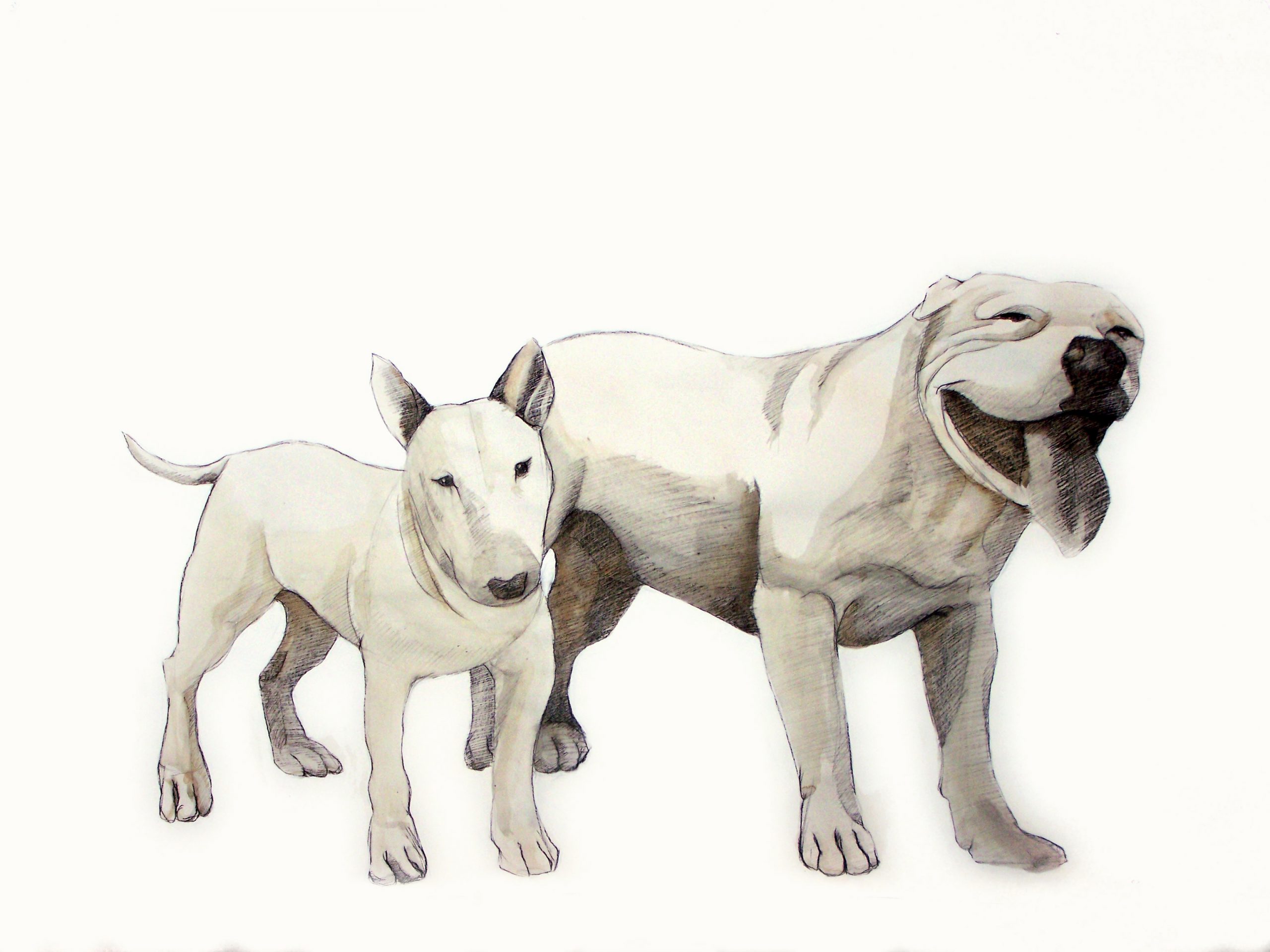
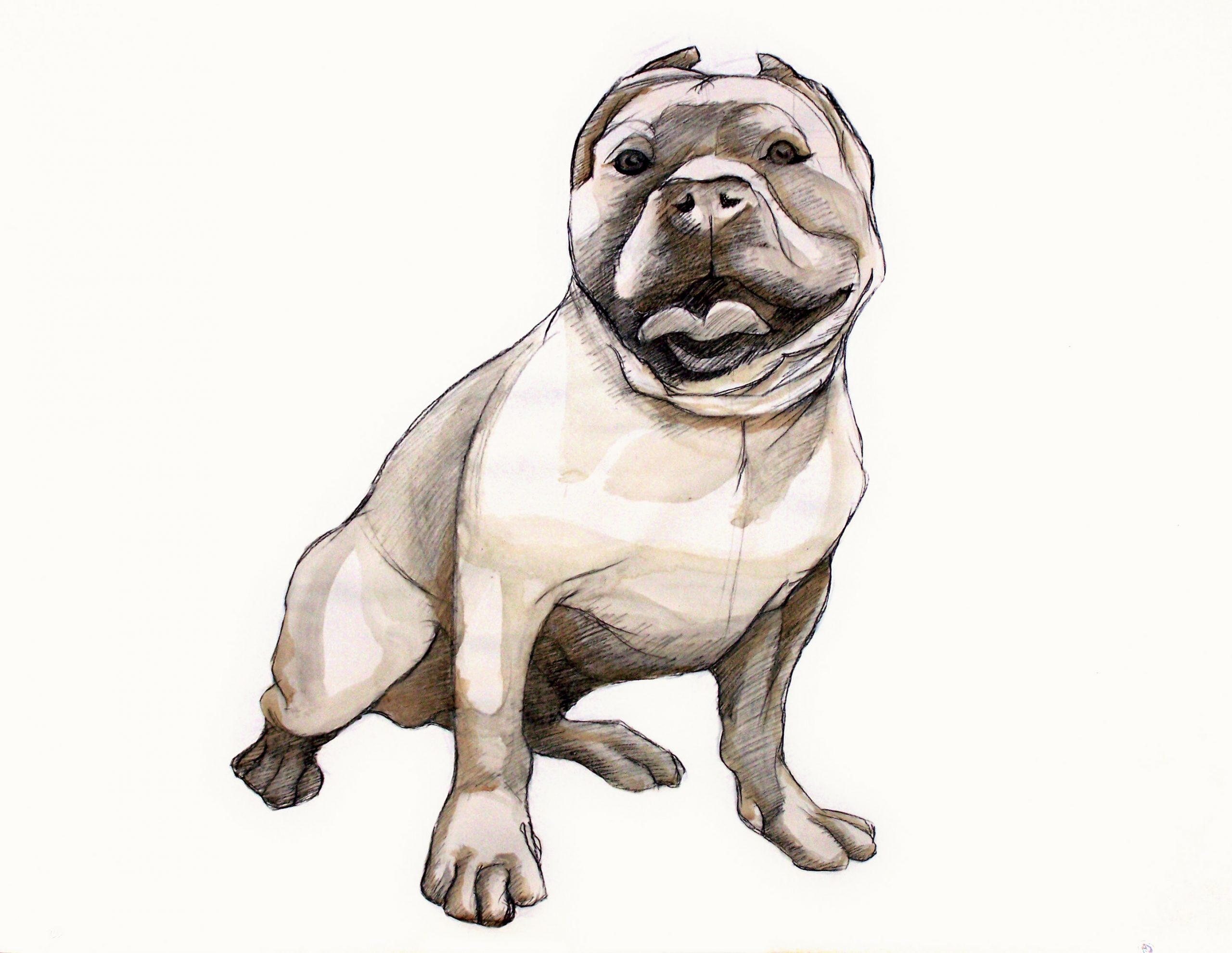
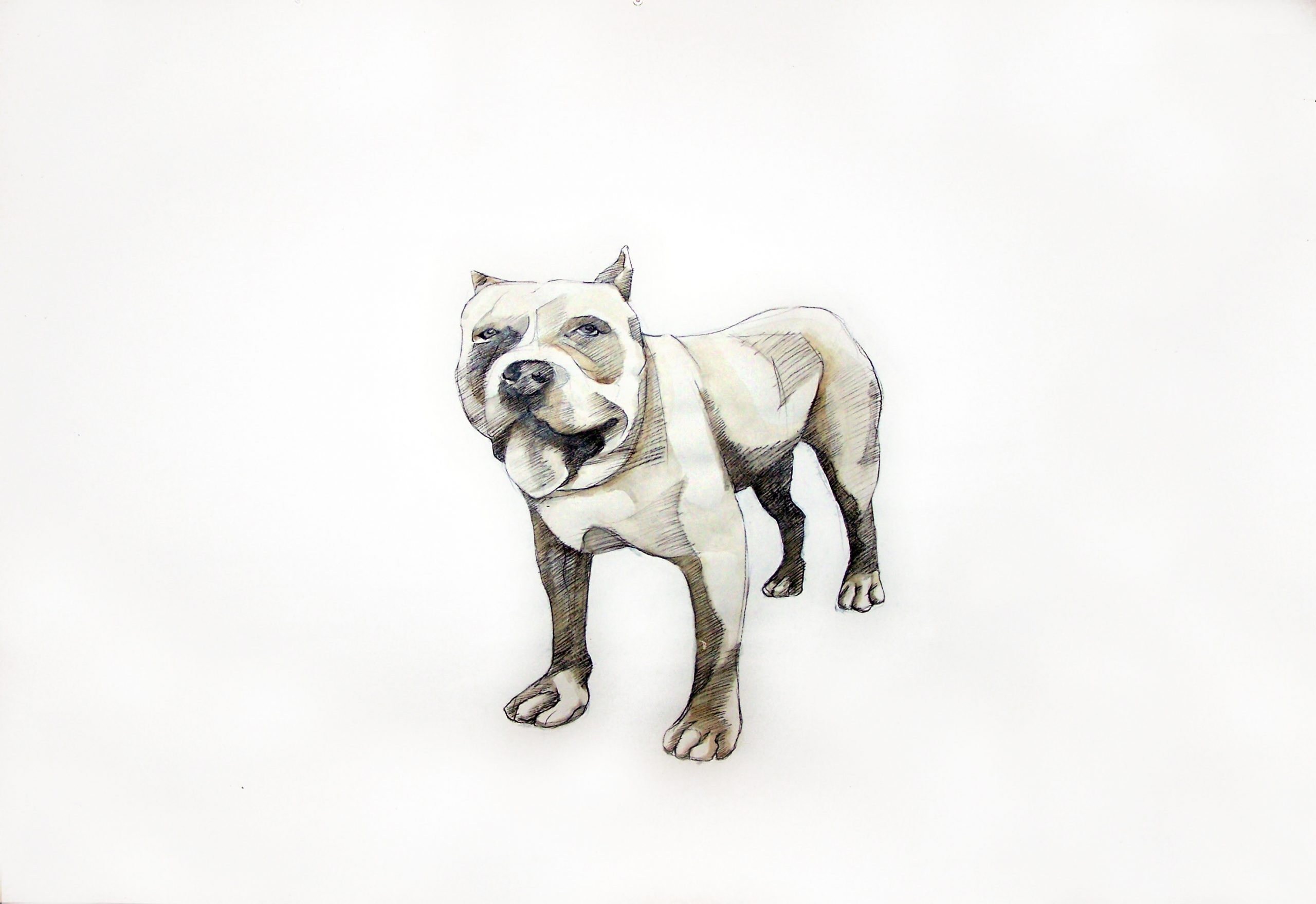
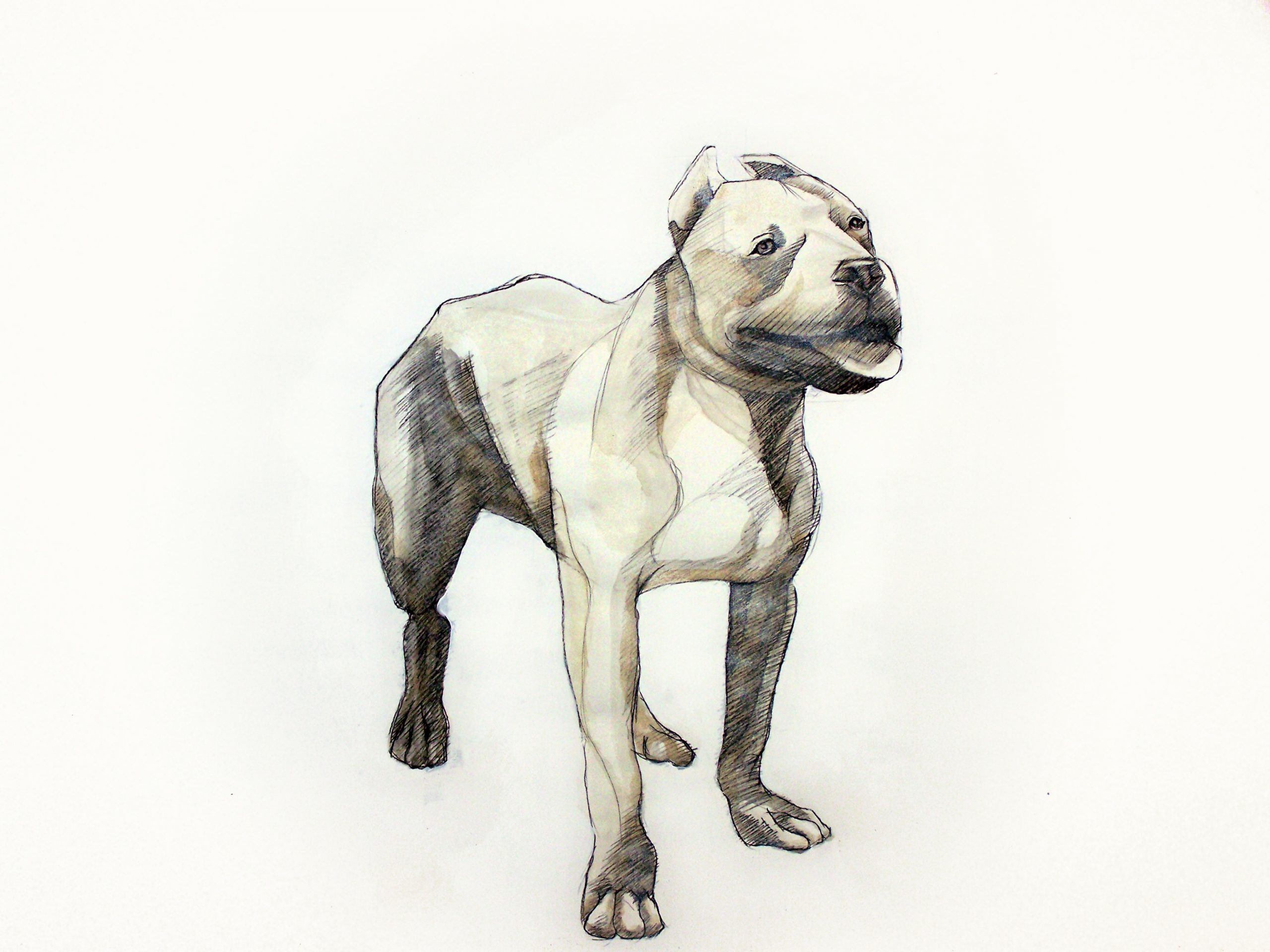
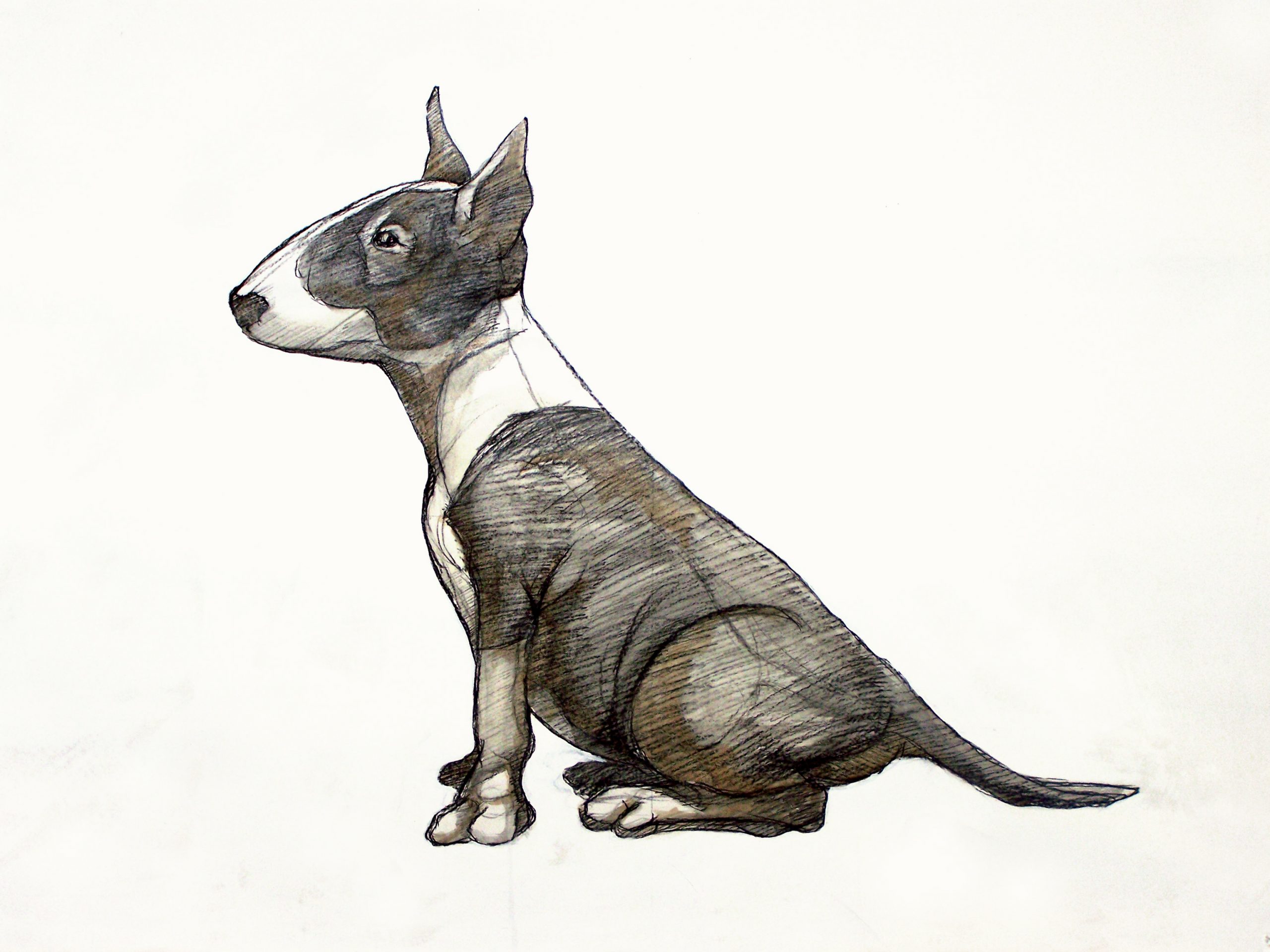
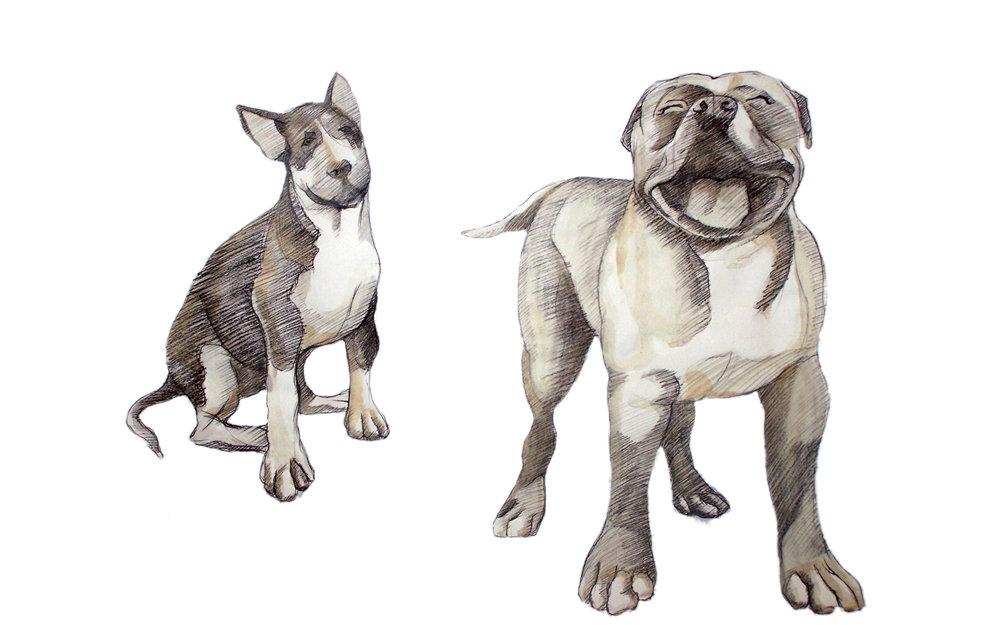
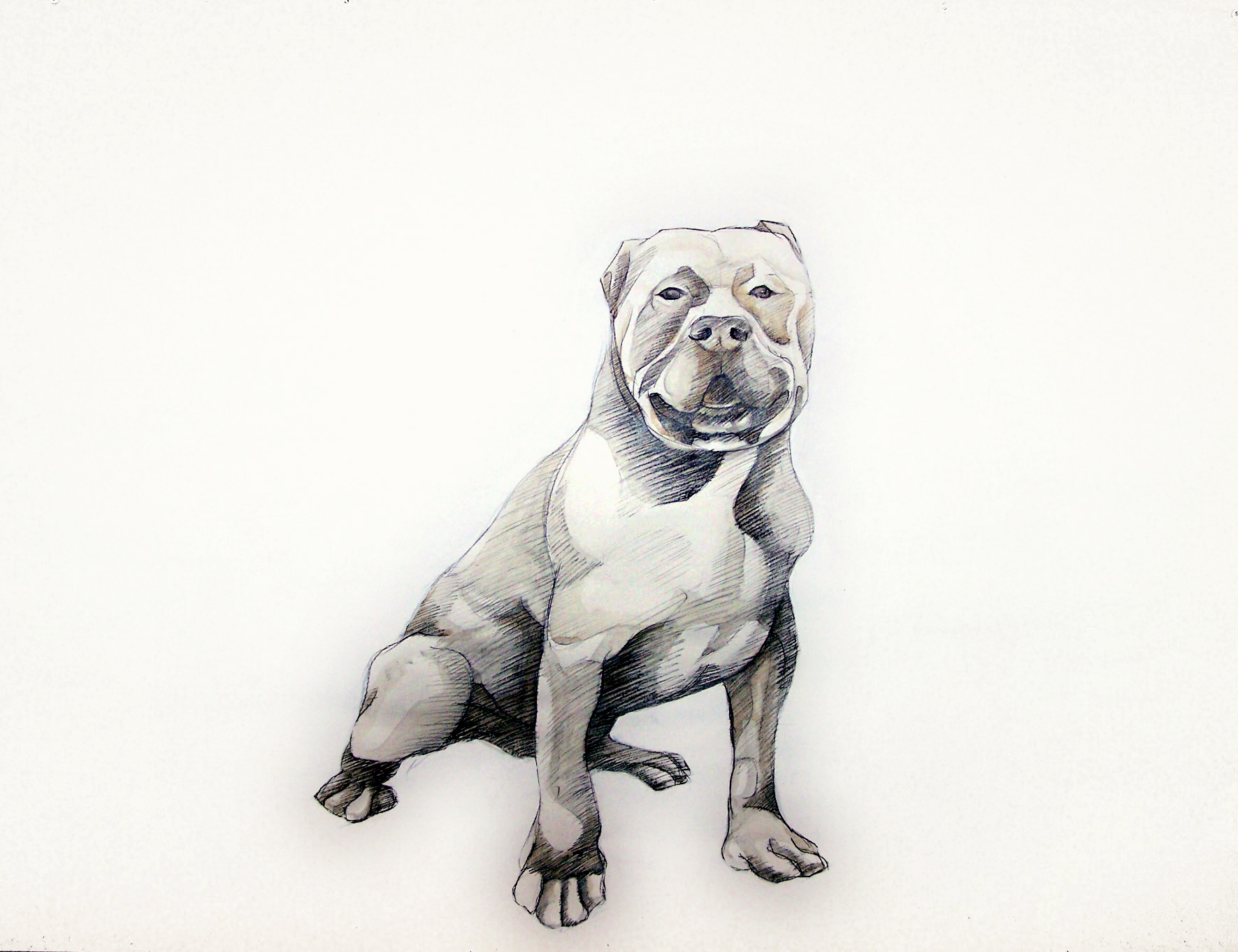
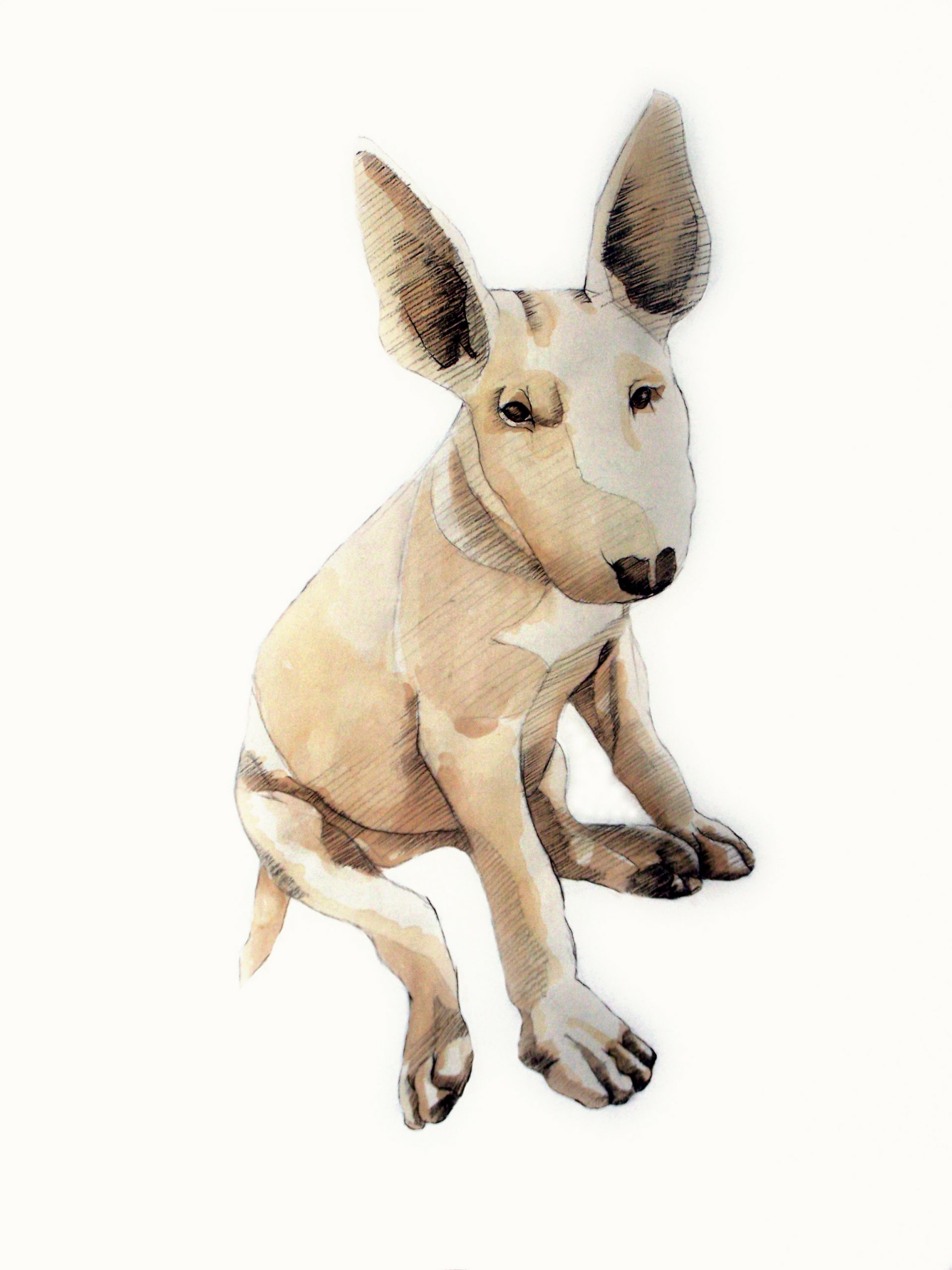
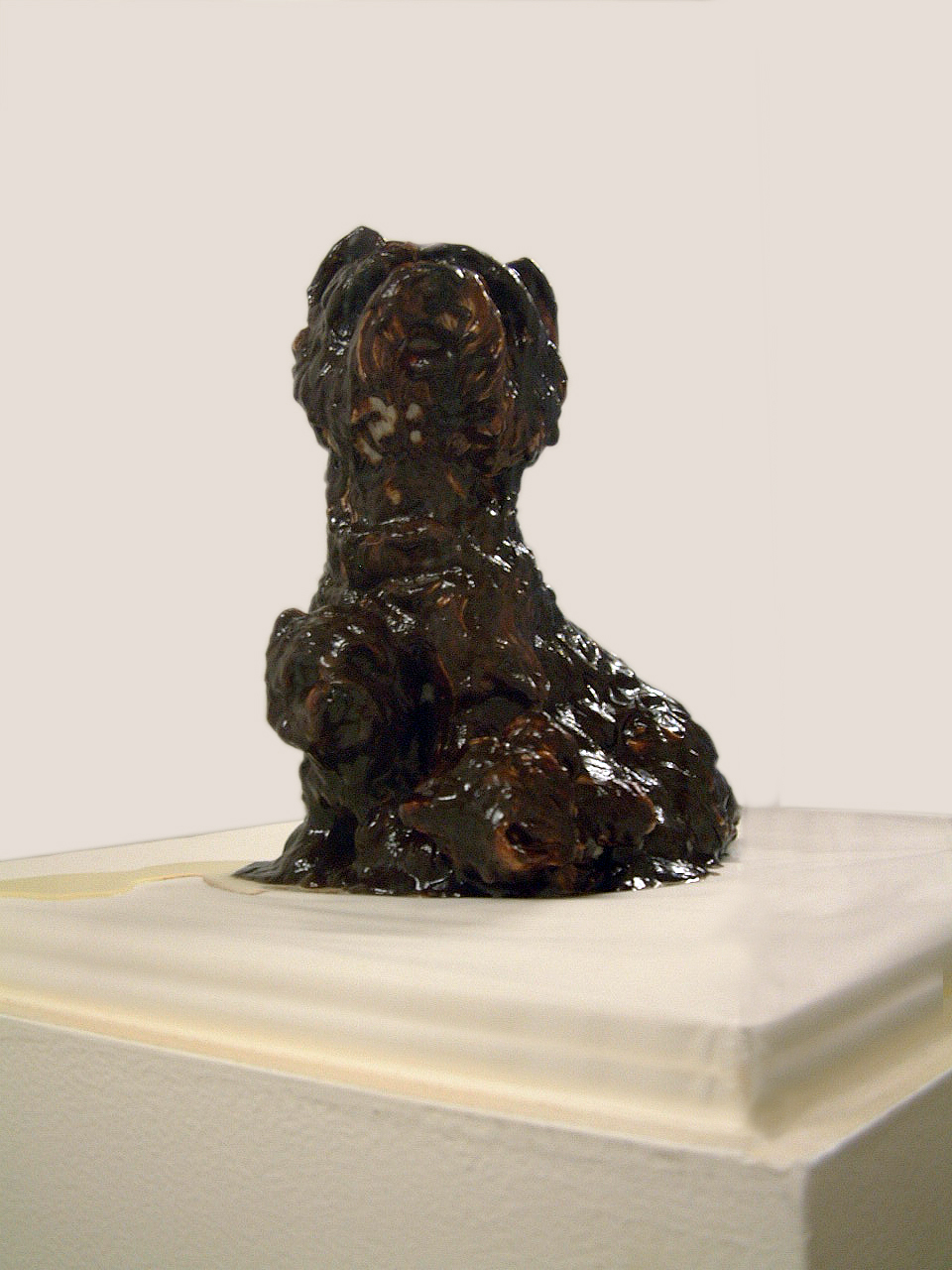
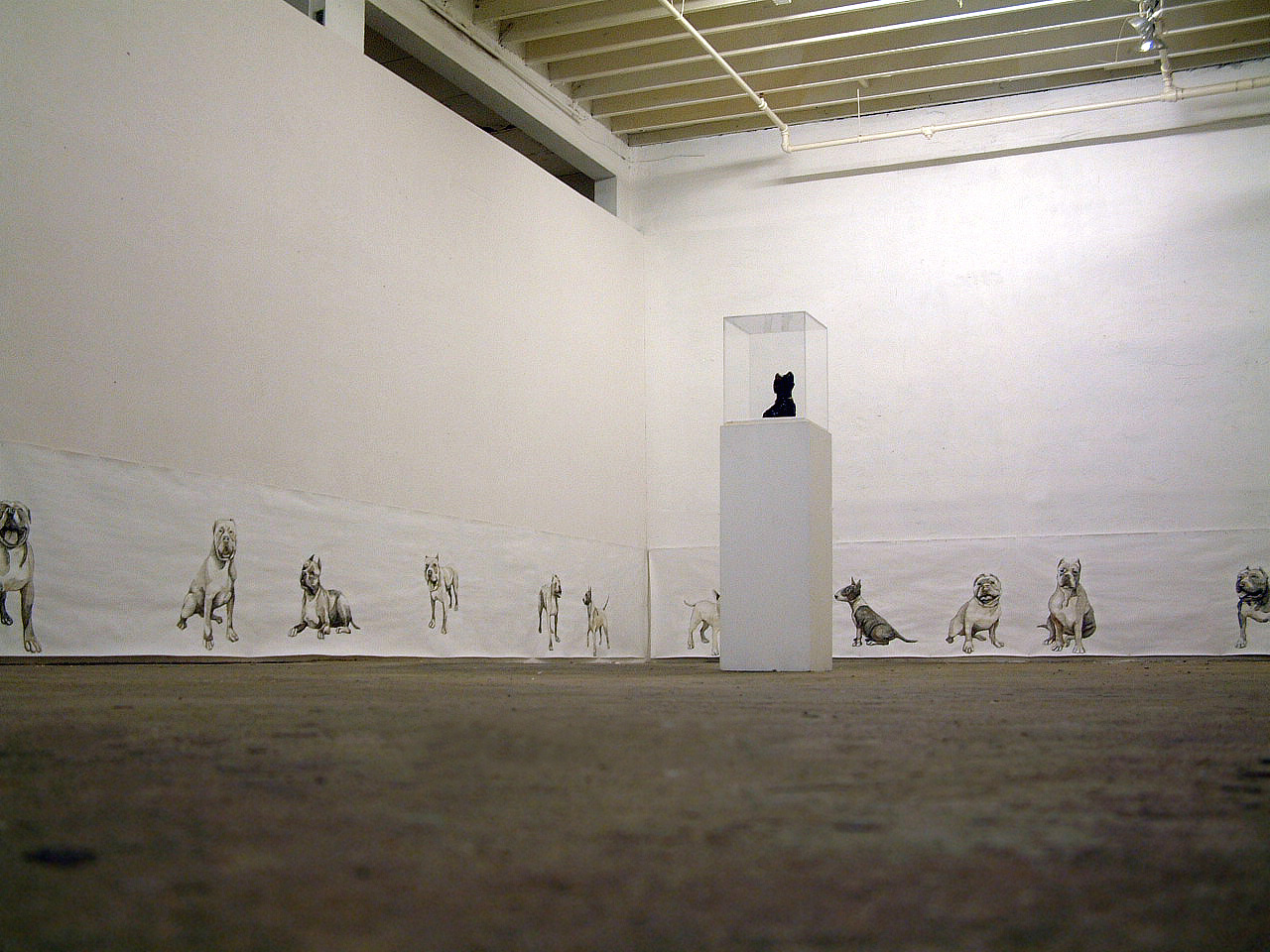
This work reviews the origins of dog breeds originally developed for, or commonly used at some time in their history for dog fighting. The work observes and stands against this illegal practice, depicting the subjects as the naturally gracious animals they are.
Approaching Peace. 1998-2002
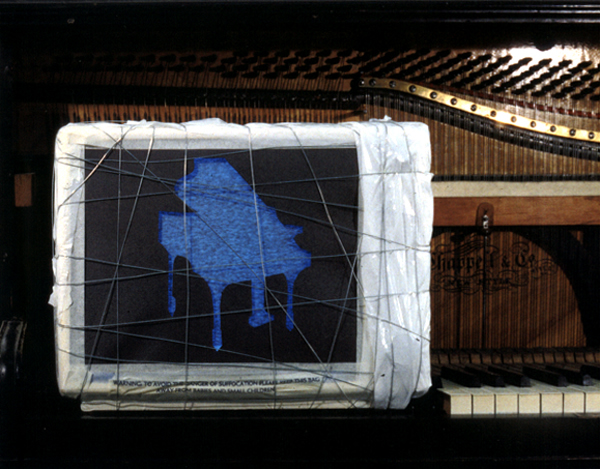
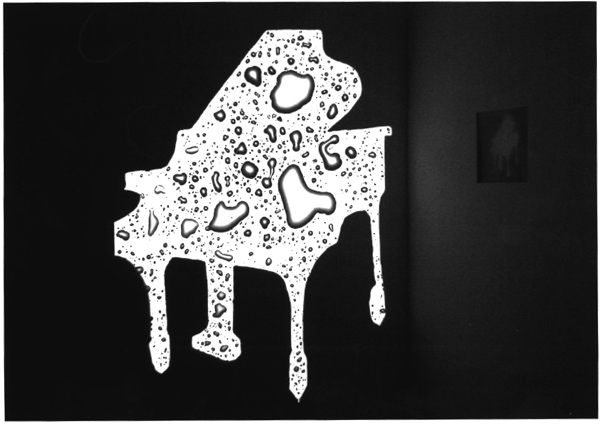
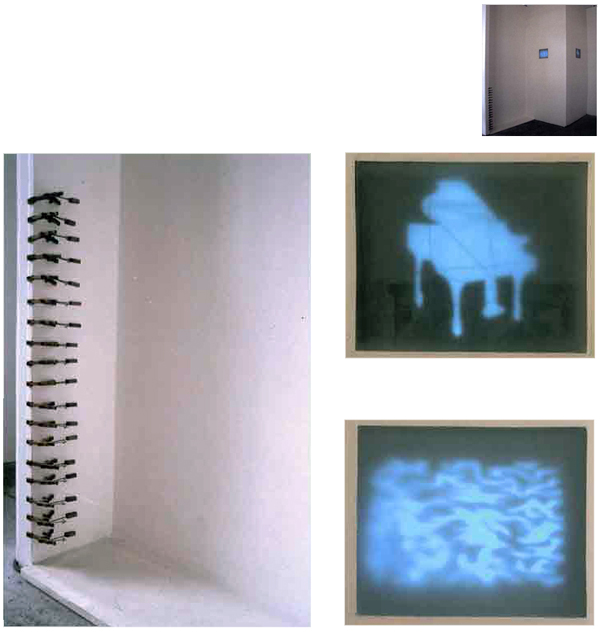
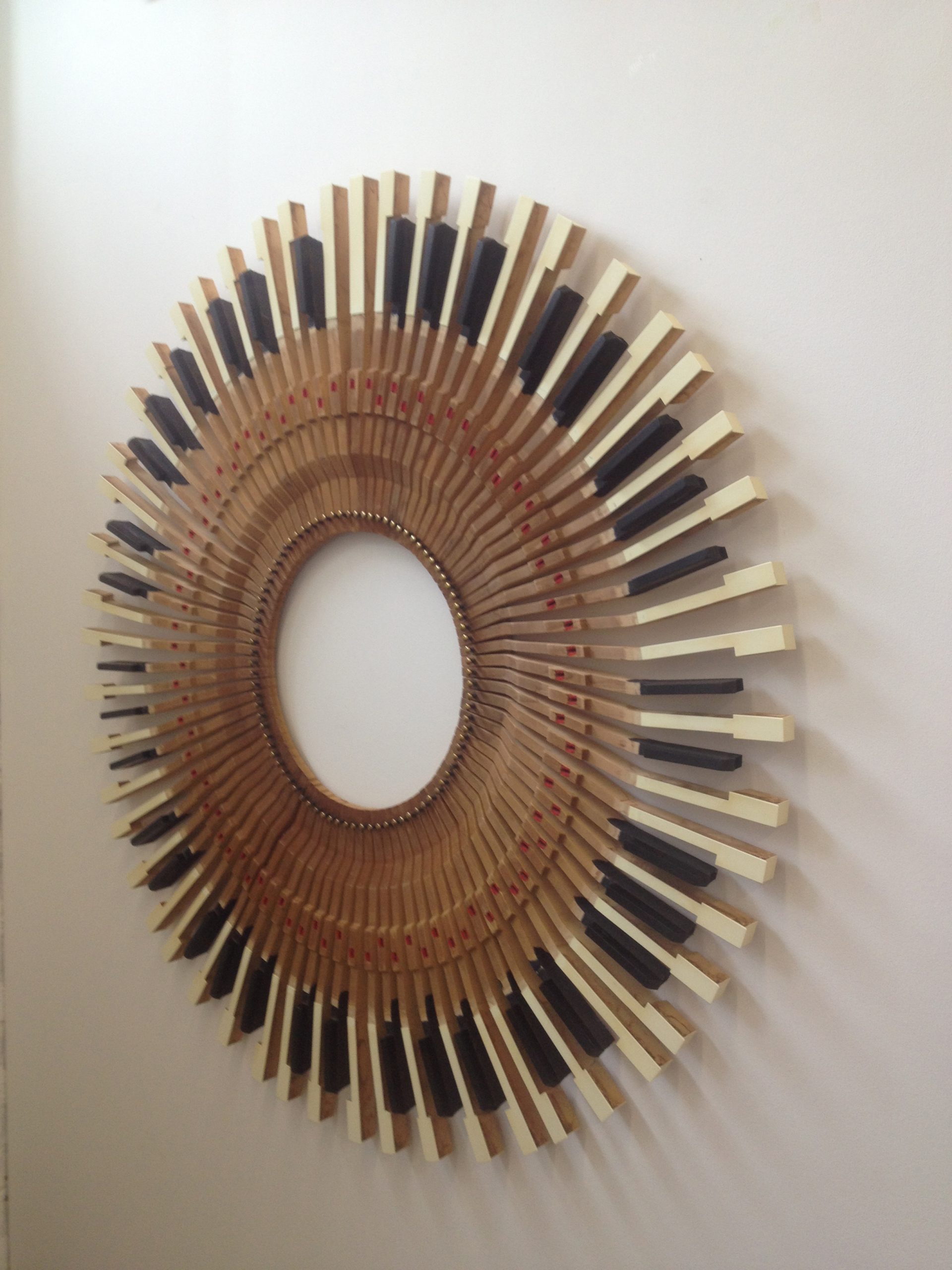
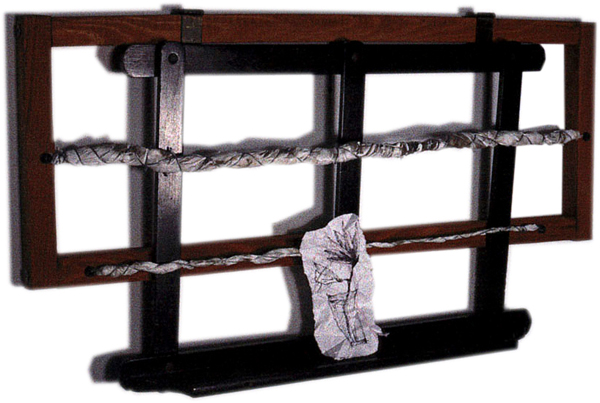
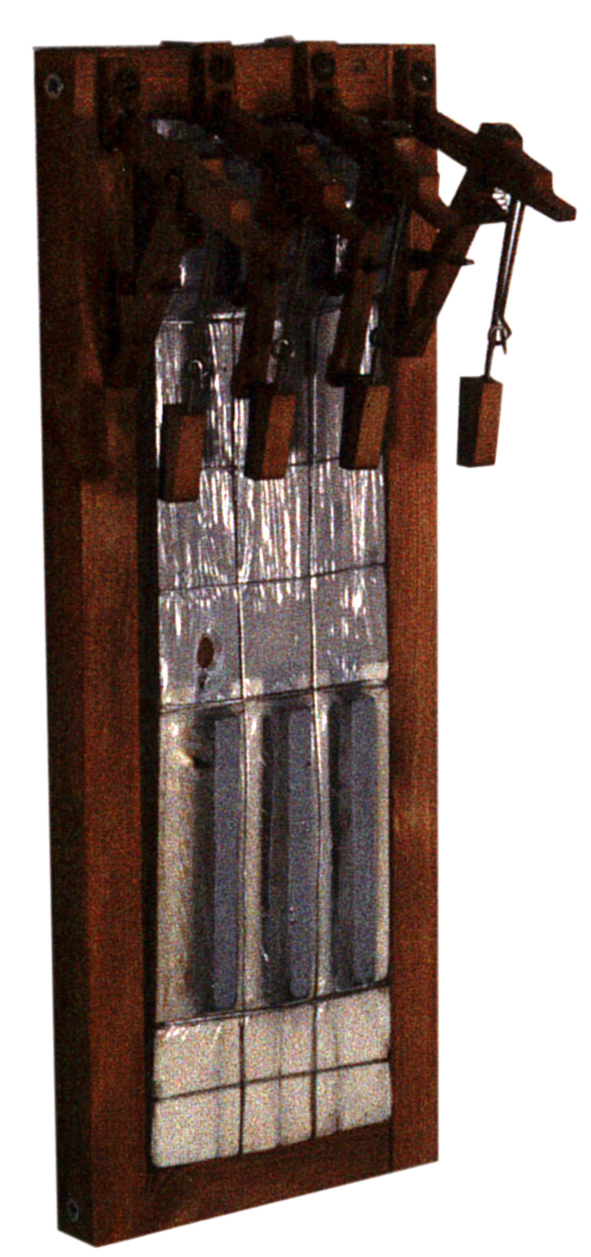
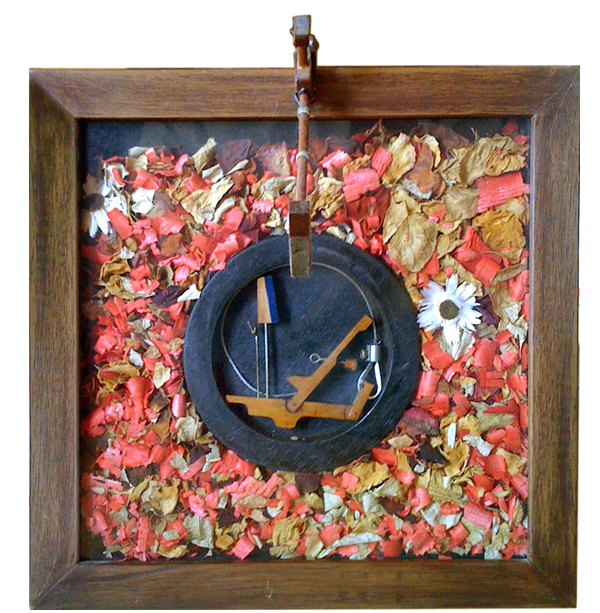
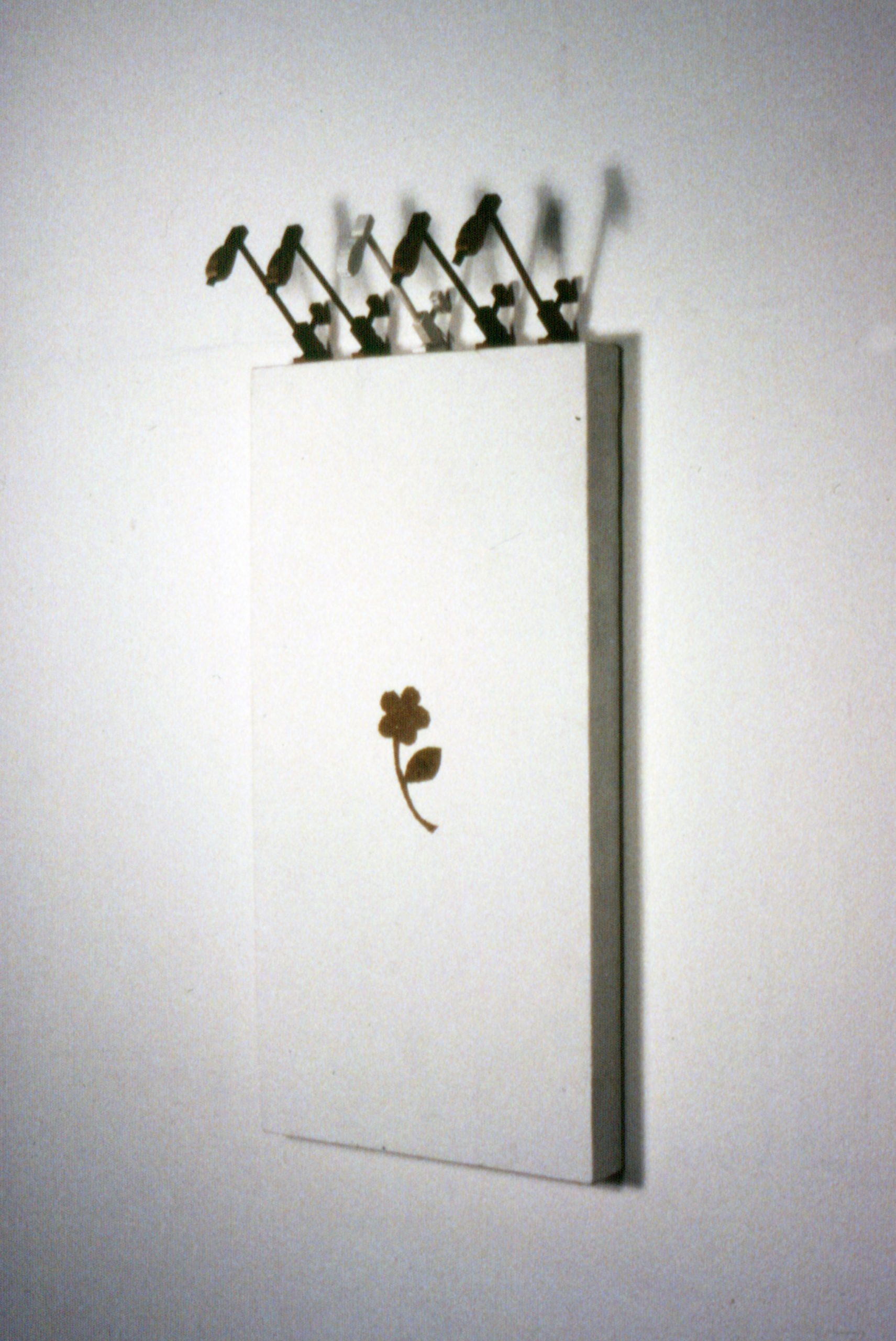
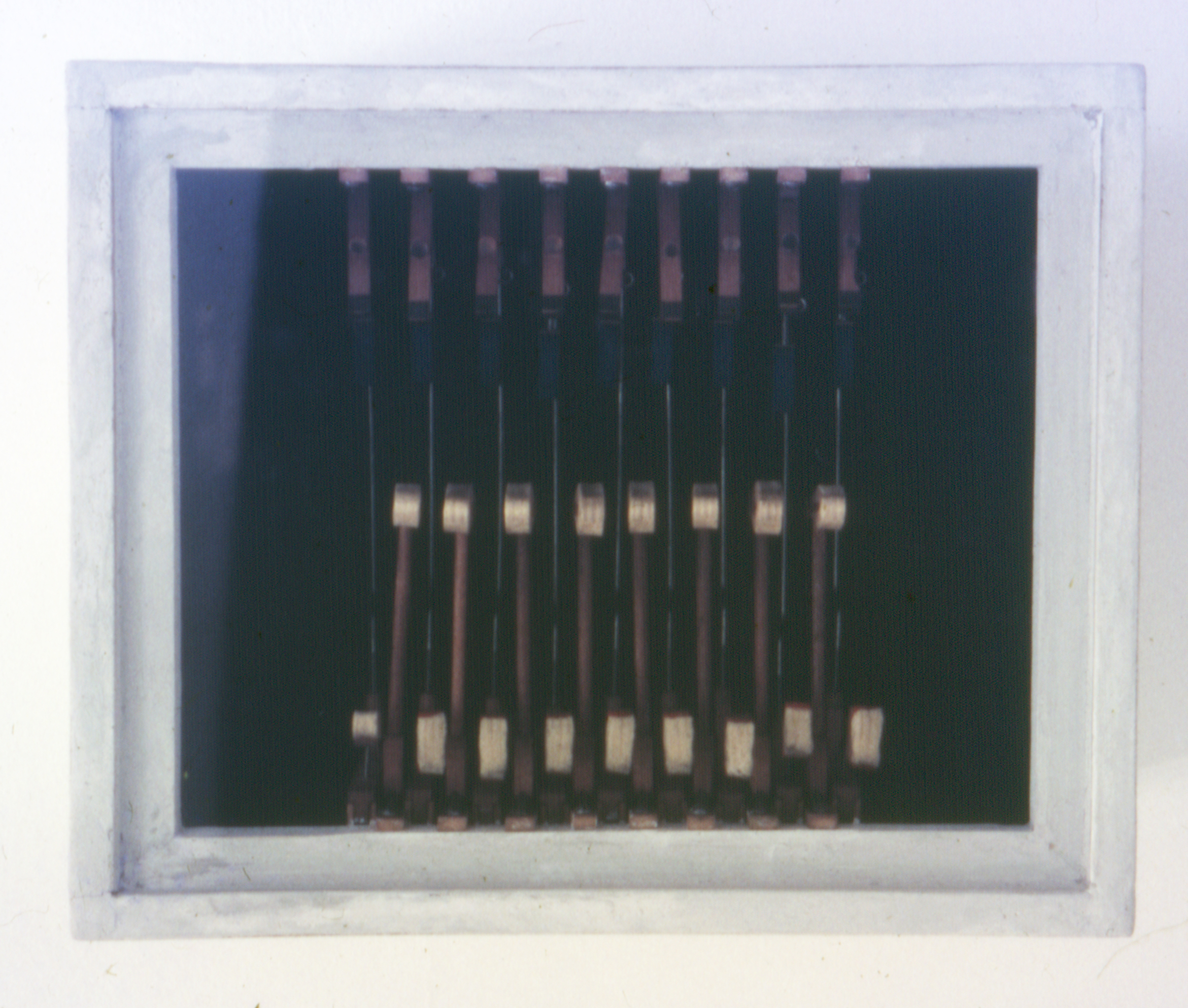
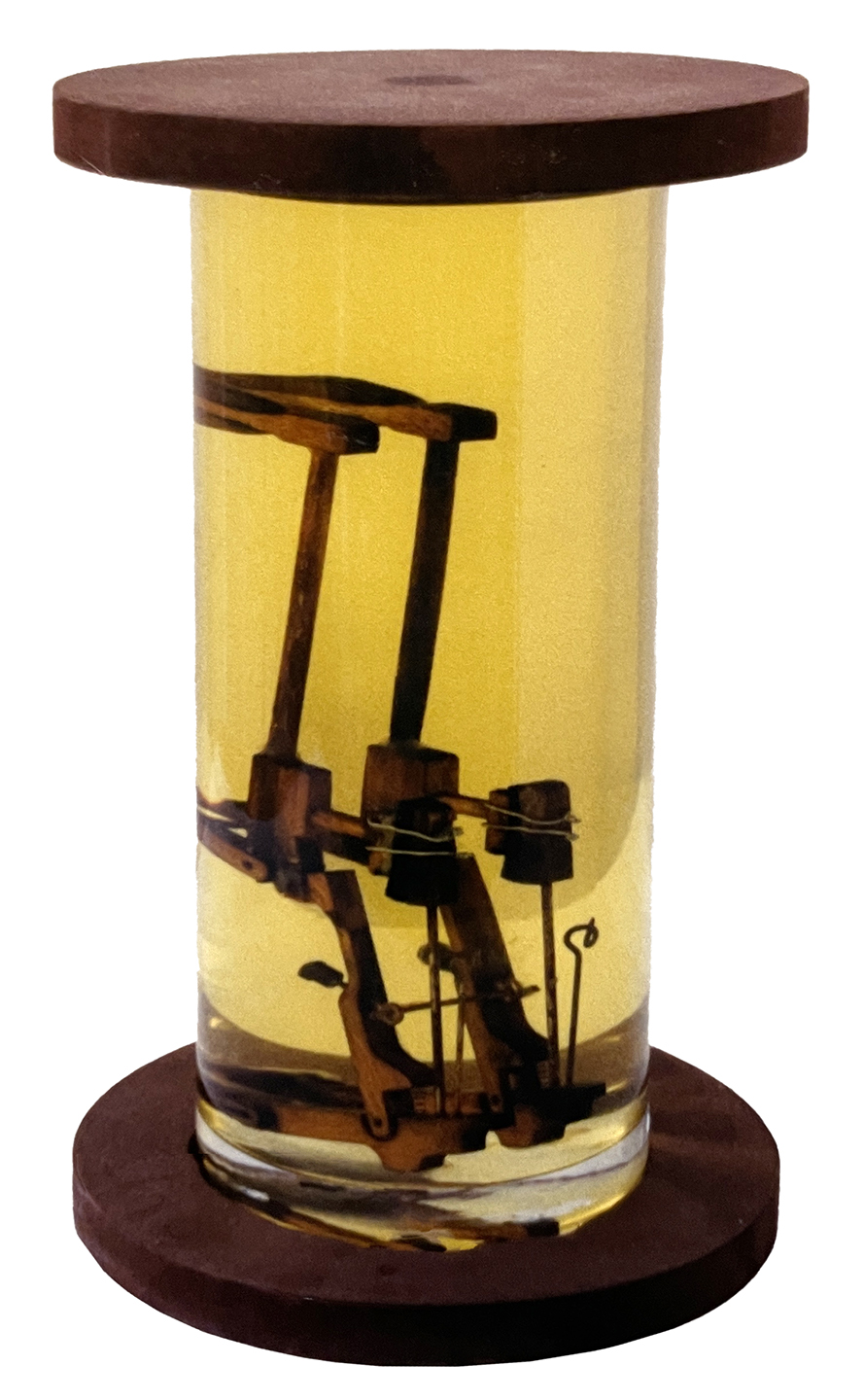
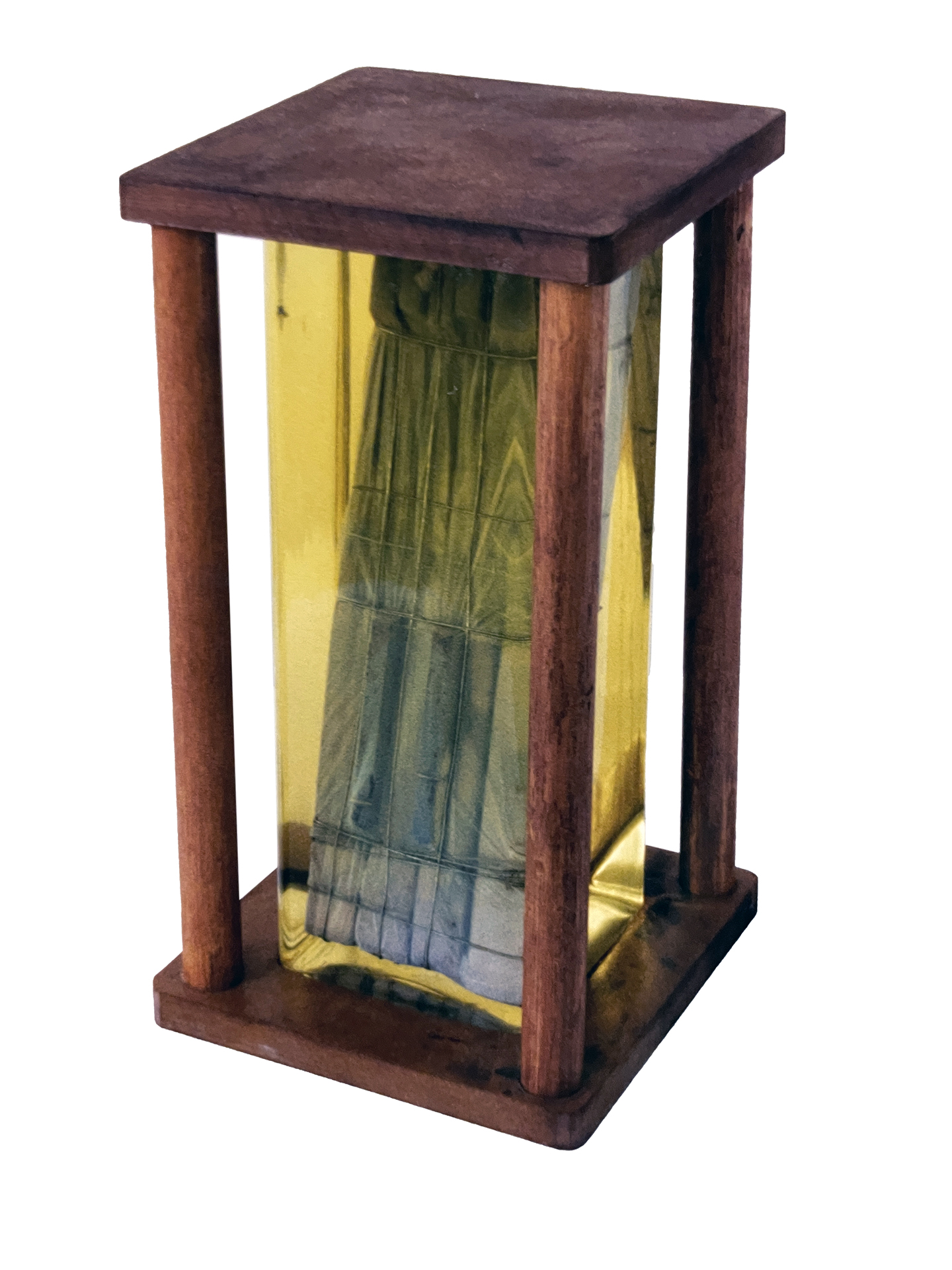
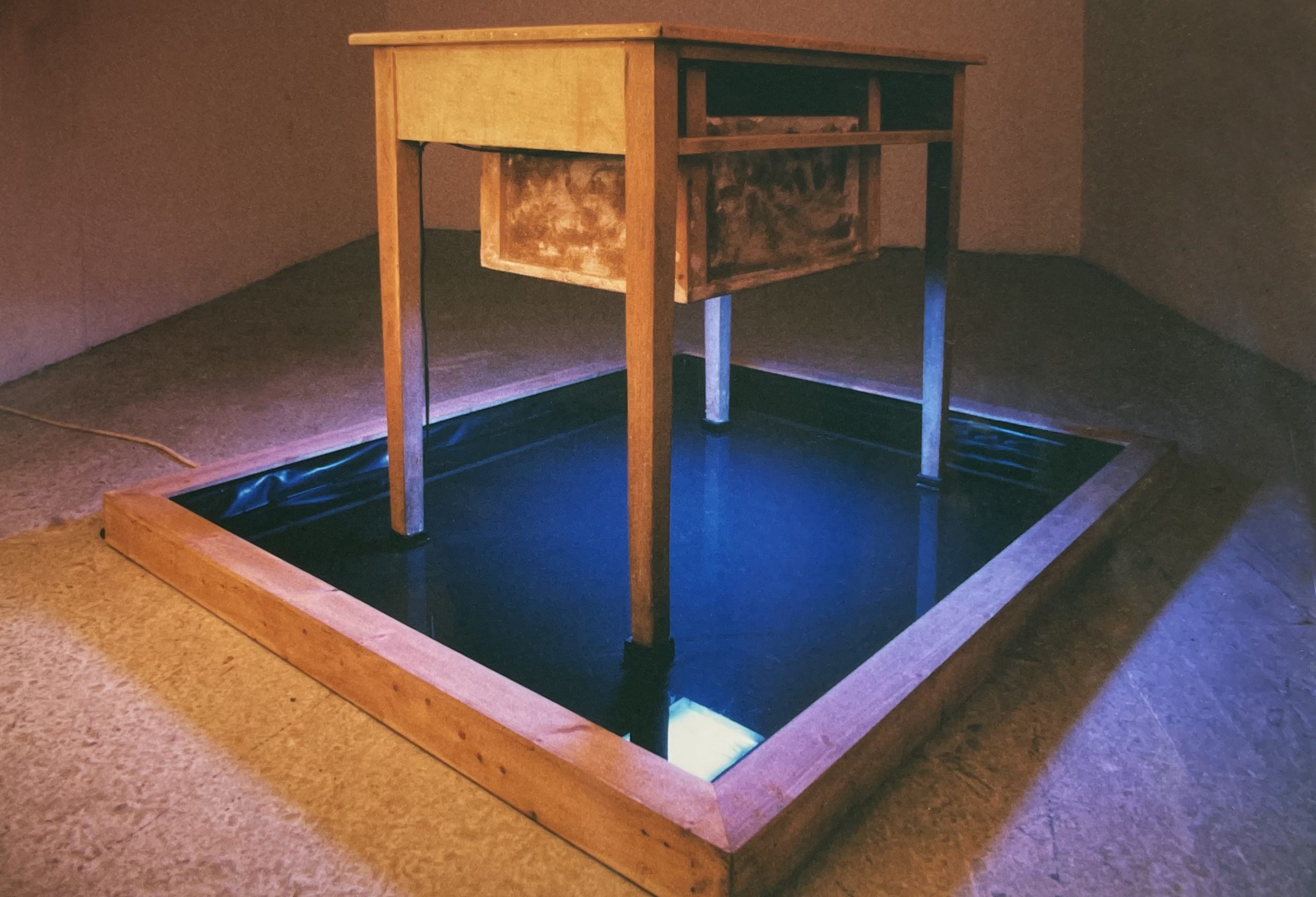
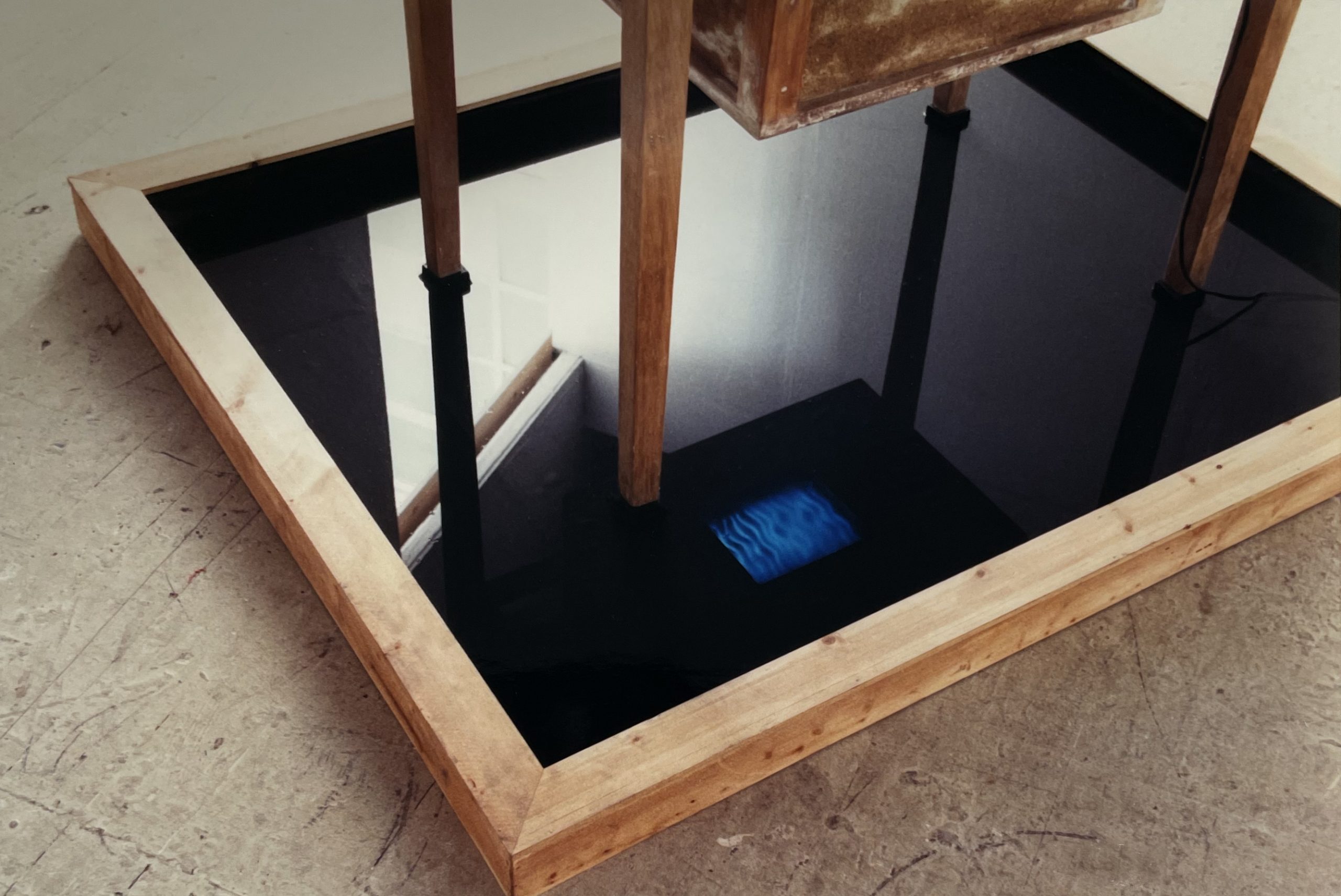
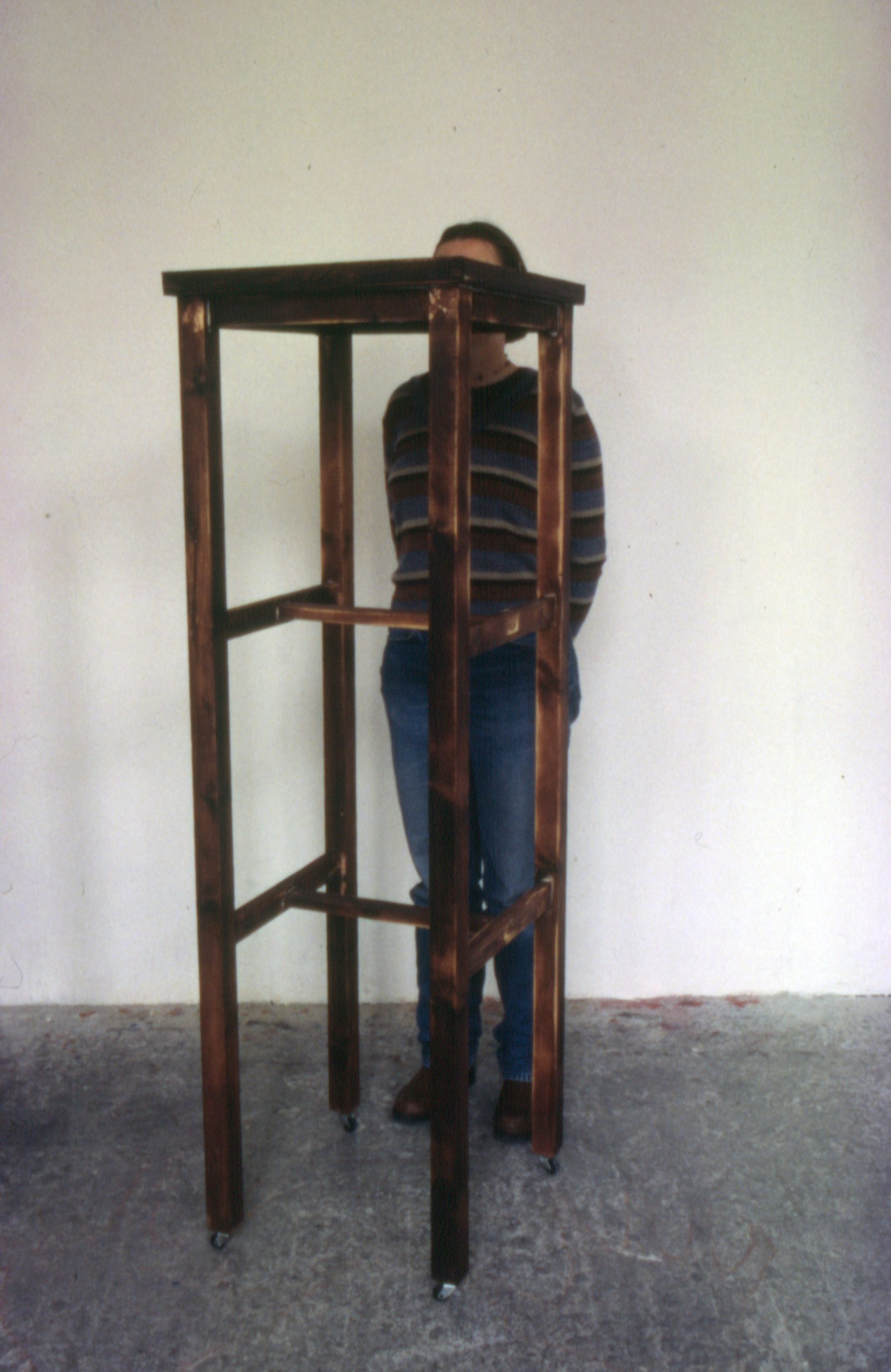
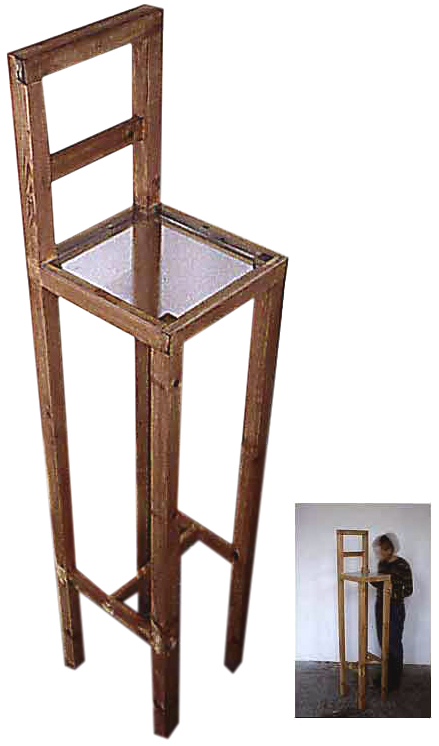
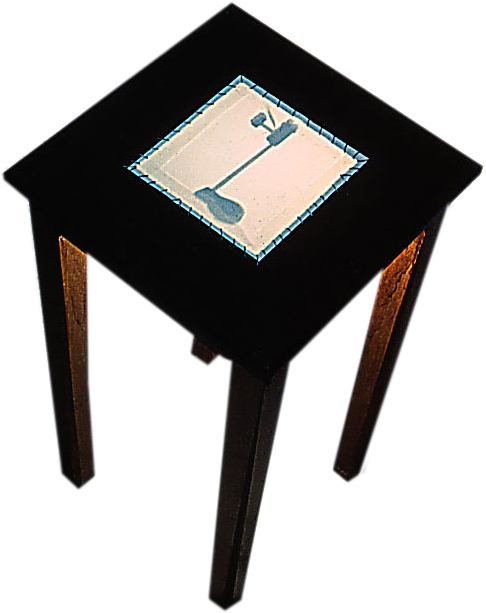
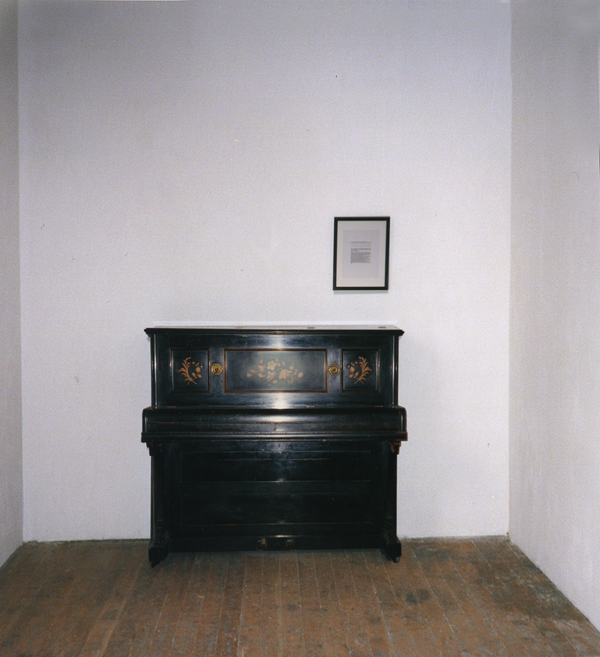
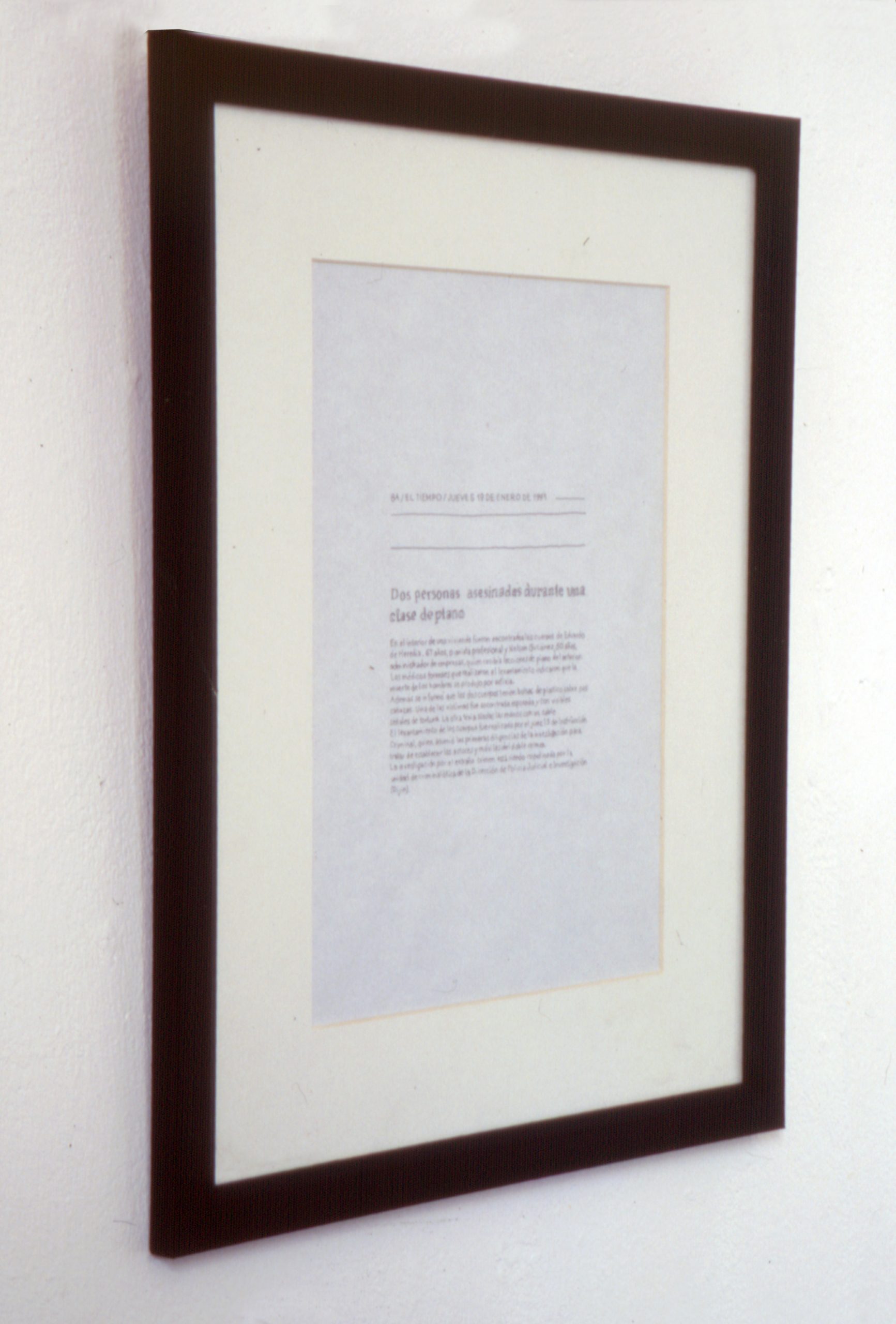
This works are based on a newspaper article regarding the murder of two pianists in Colombia whose case was never resolved. The ensuing objects and sculptures conjure the life and passion of the pianists. This is a personal reflection on Colombia’s inane violence and how its randomness can affect anyone.
Bridges. 1998-2005
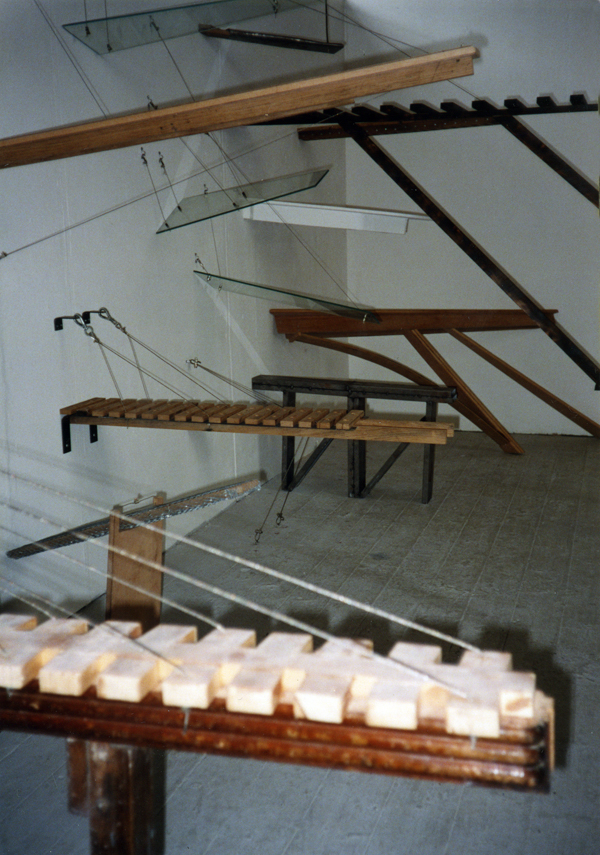
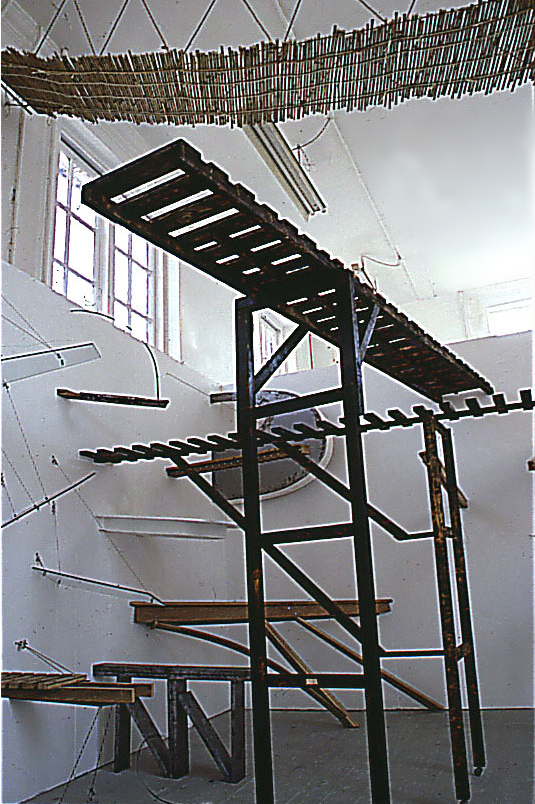
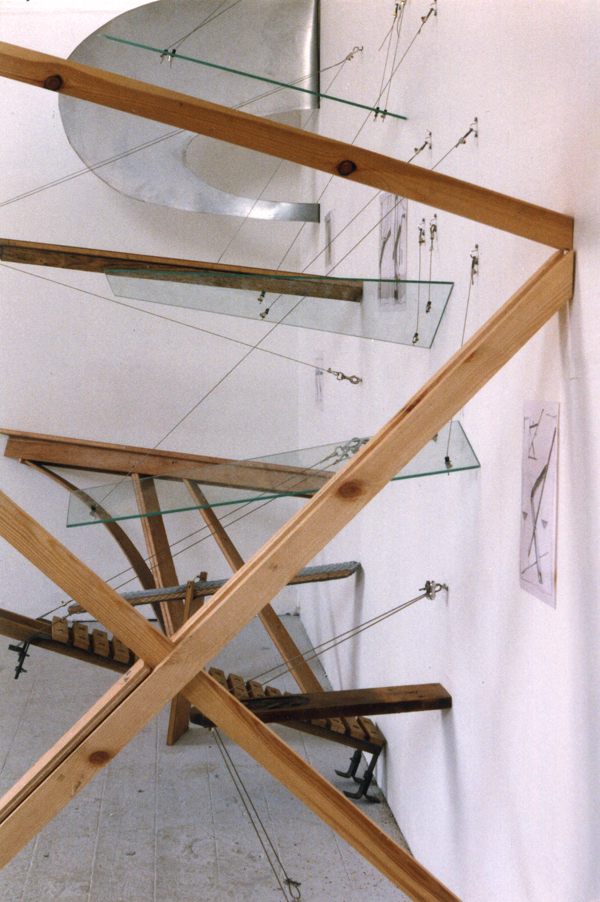
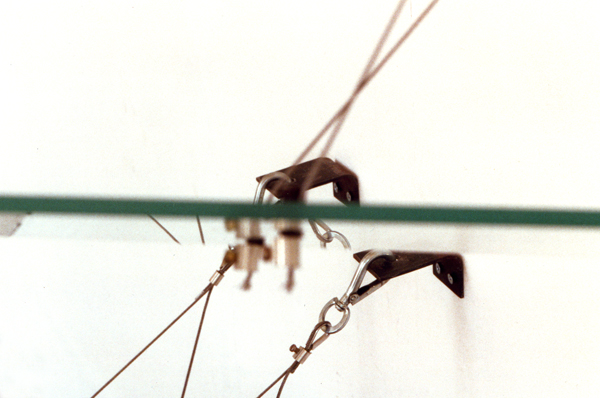
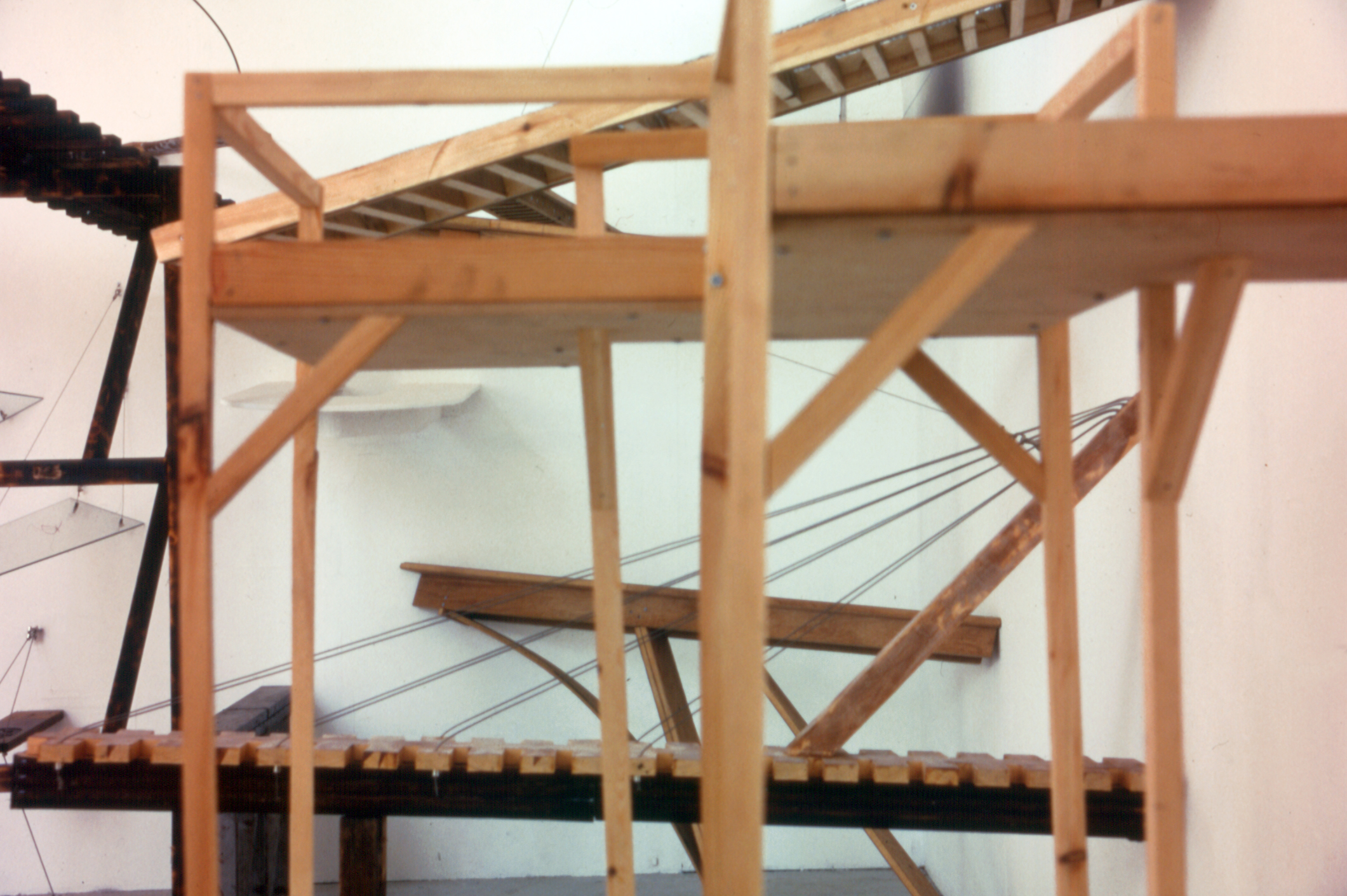
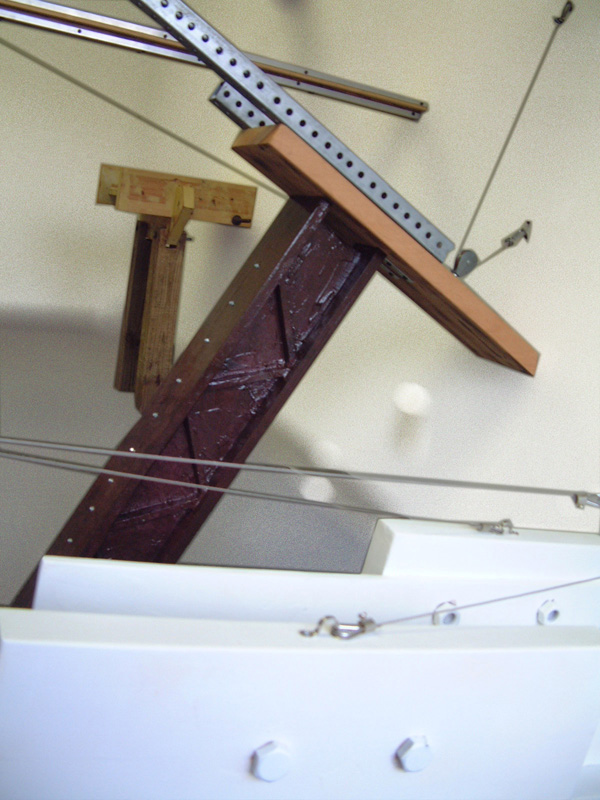
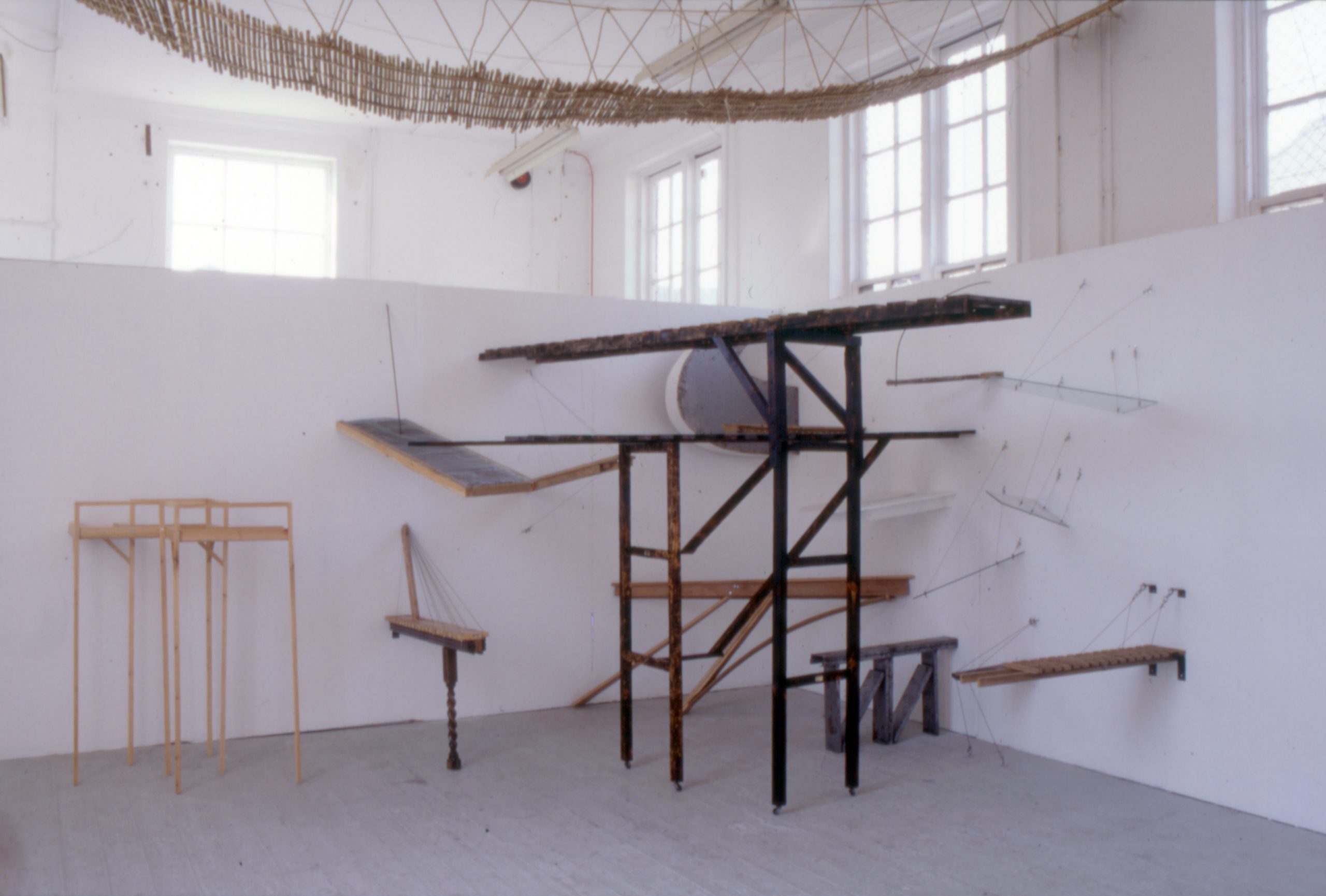
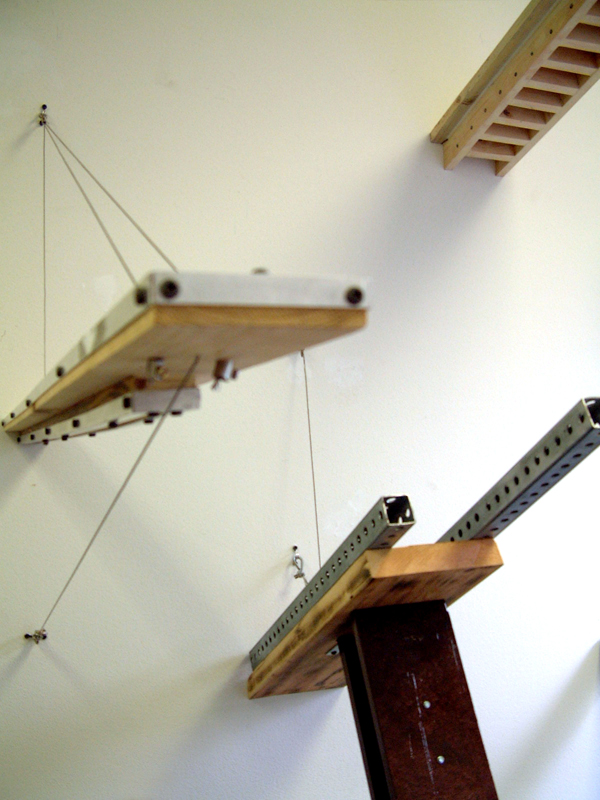
“Bridges” explores the concept of social and political transition. Bridges overcome barriers. They allow man to master the forces of nature, to speed travel, link communities, and widen horizons. This concept is brought into play as an analogy to Colombia’s as of yet unattainable transition from violence to peace. Based on the design of existing bridges throughout the world, this installation use models built as inconclusive structures thus invoking the concept of fragility, instability and futility.
Earth – Fragments 2000-2001
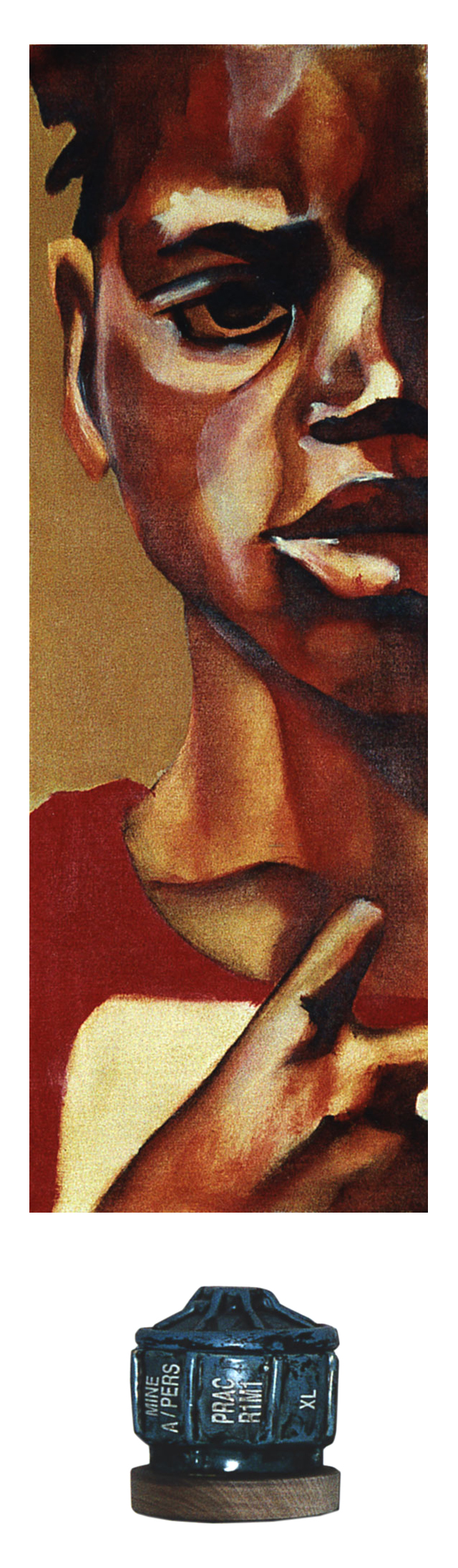
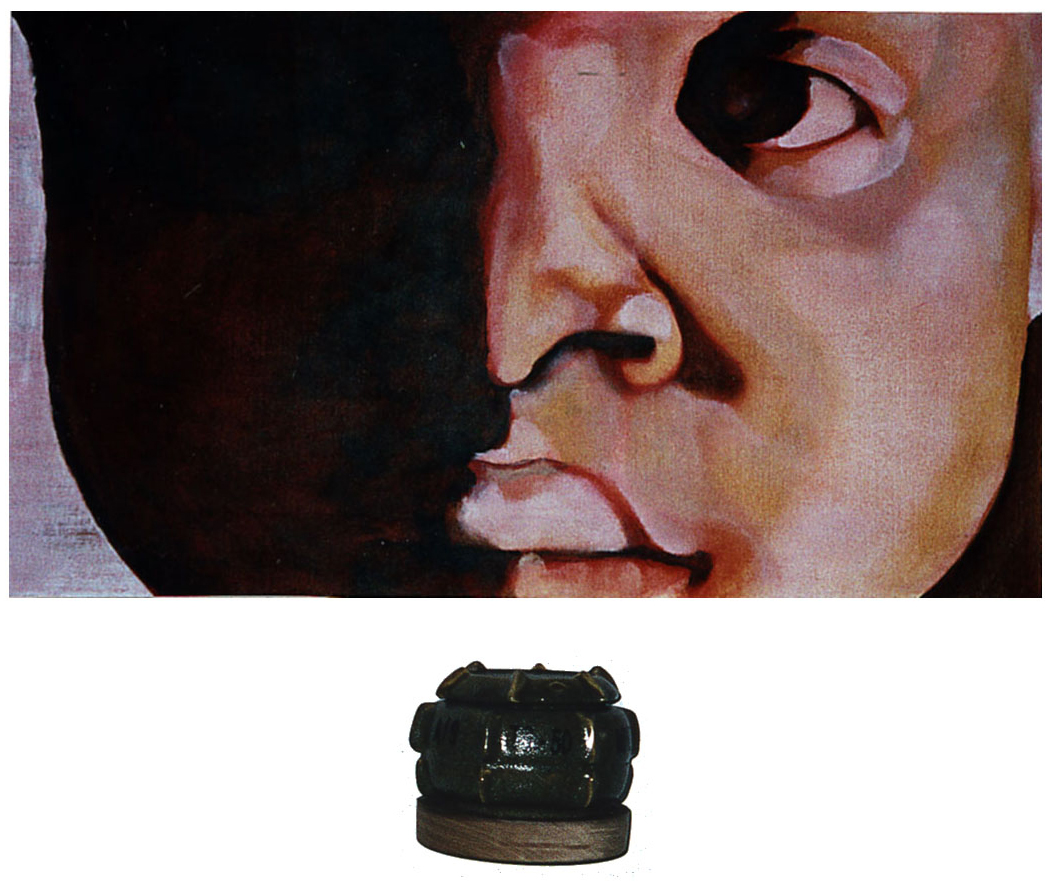
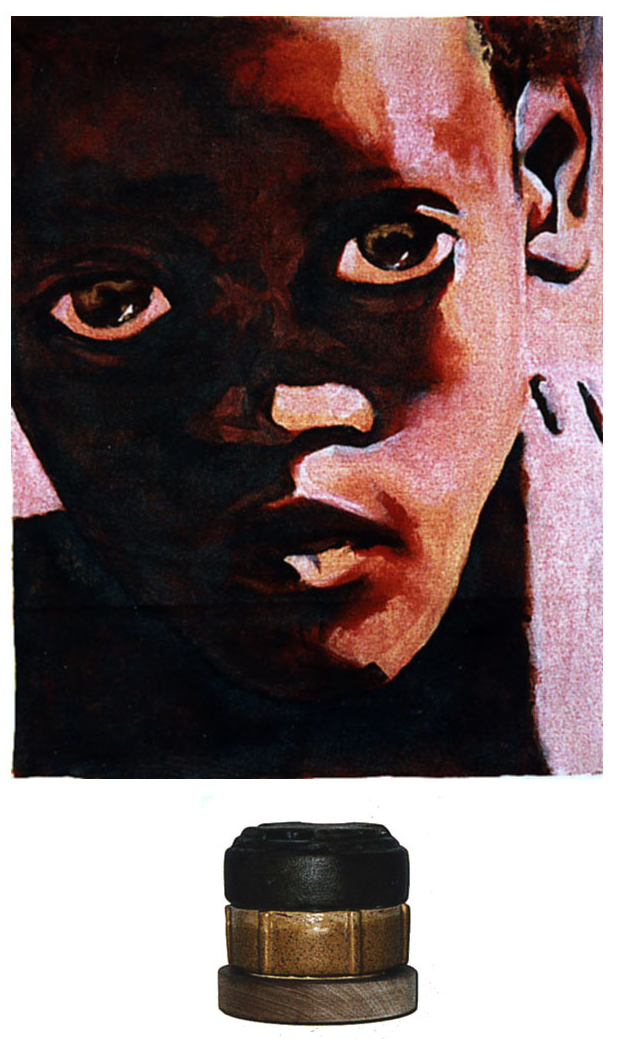
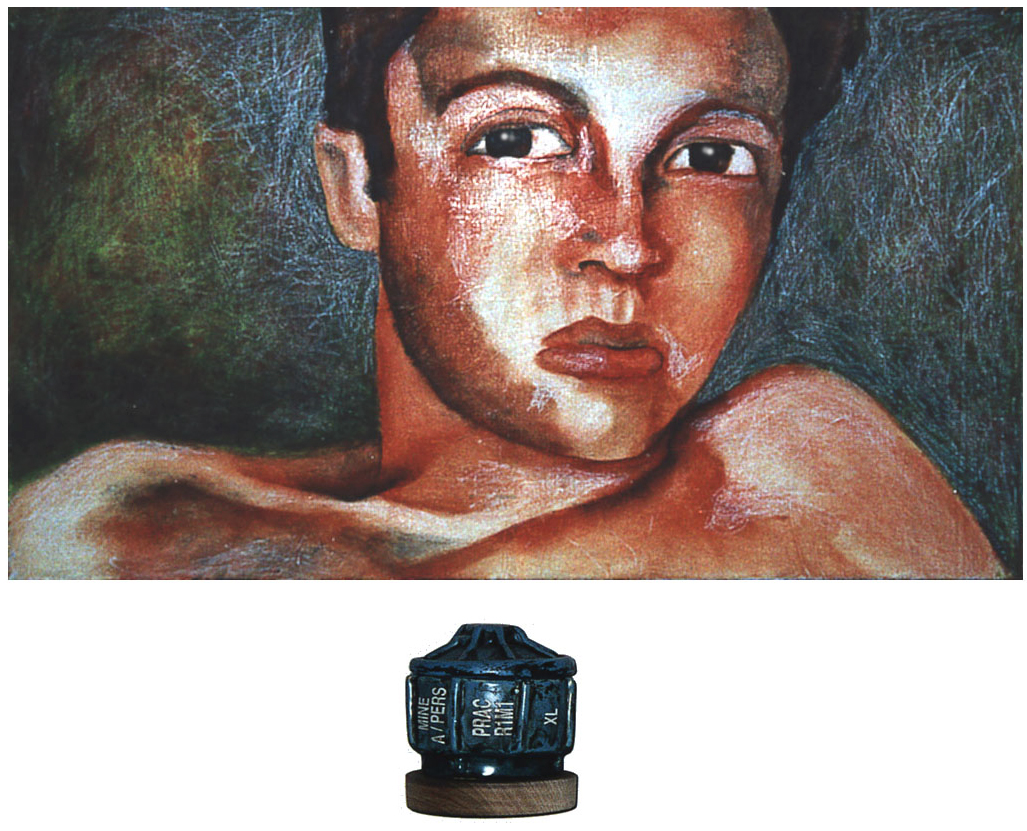
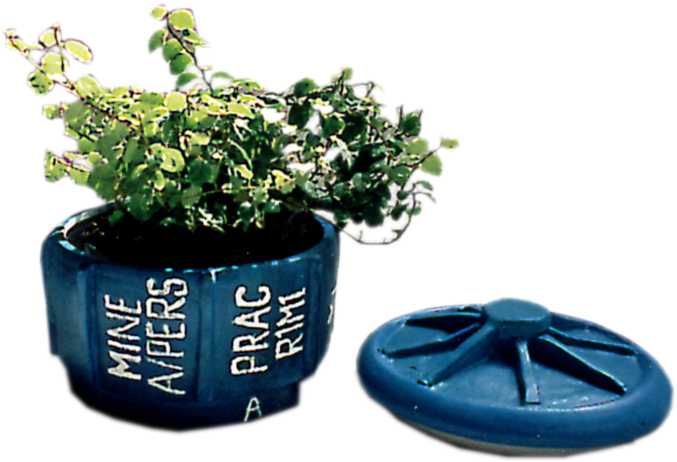
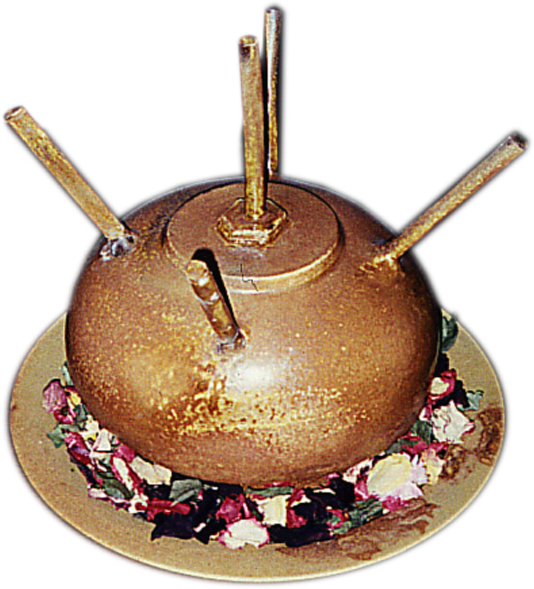
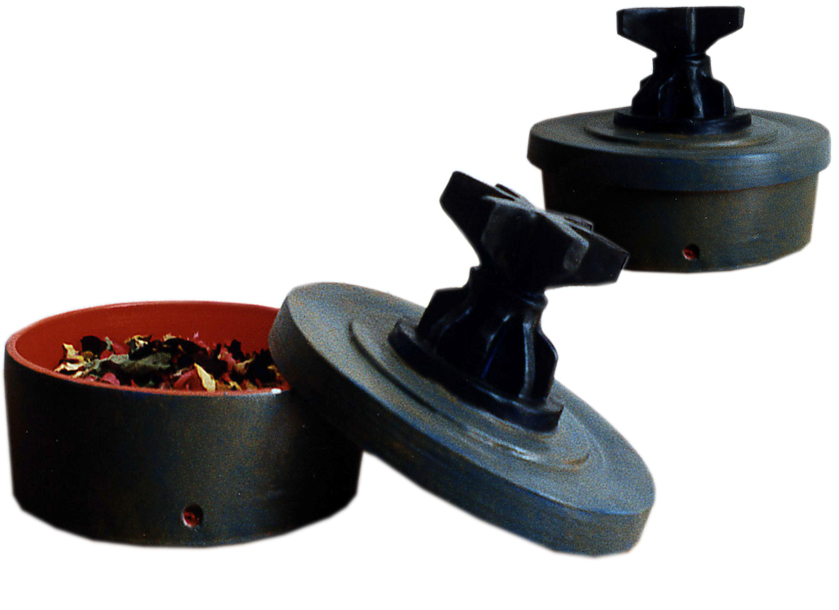
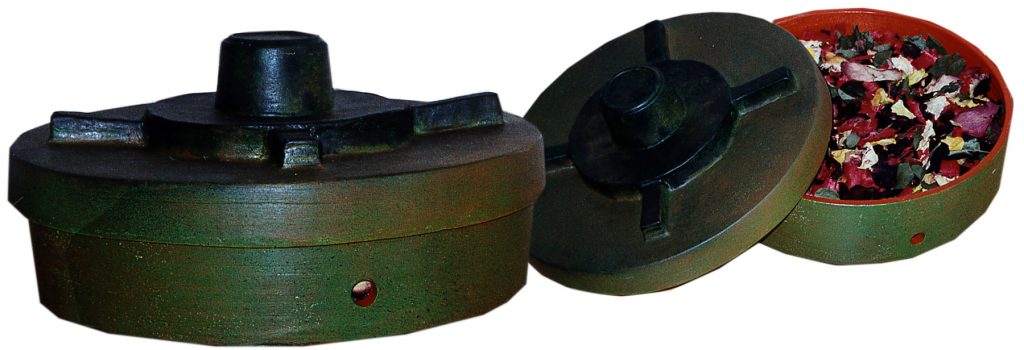
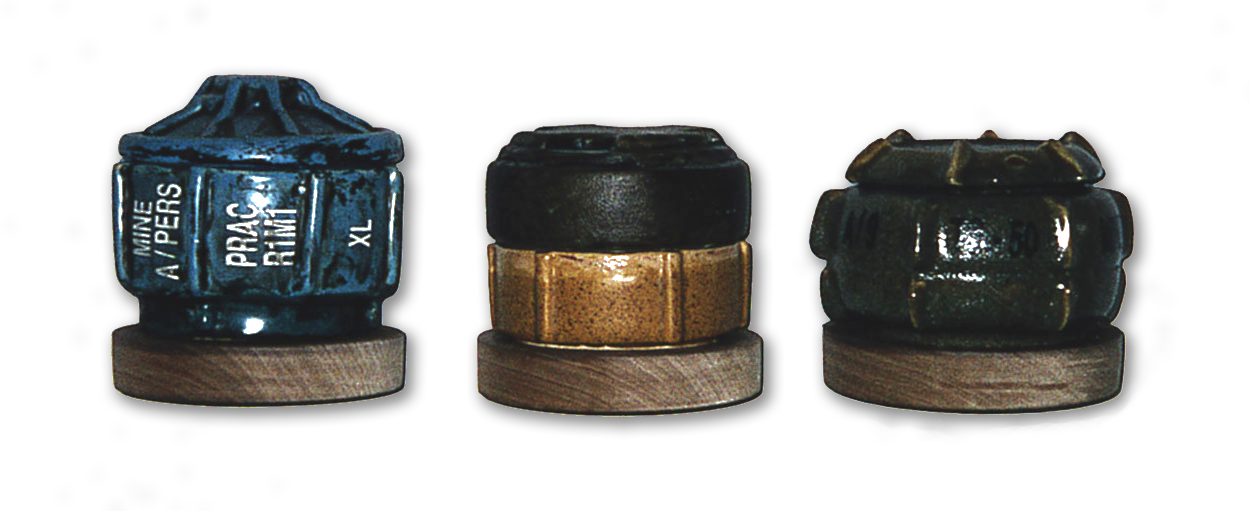
The issue at the heart of this series is the struggle for territorial control and the use of landmines for this purpose. Made up of approximately 40 pieces, the project incorporates ceramic sculptures, paintings and drawings, which include portraits of real victims.
Presence and Absence. 1997-1998
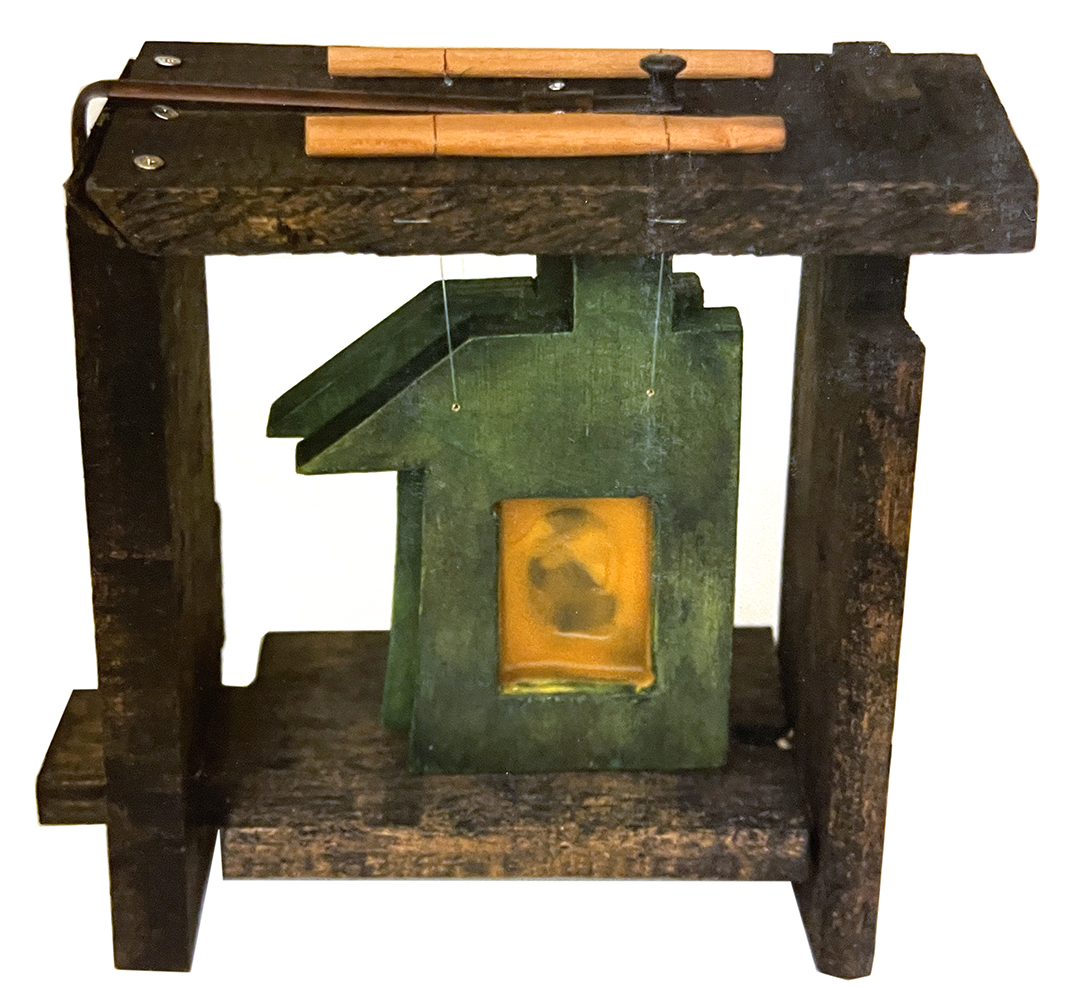
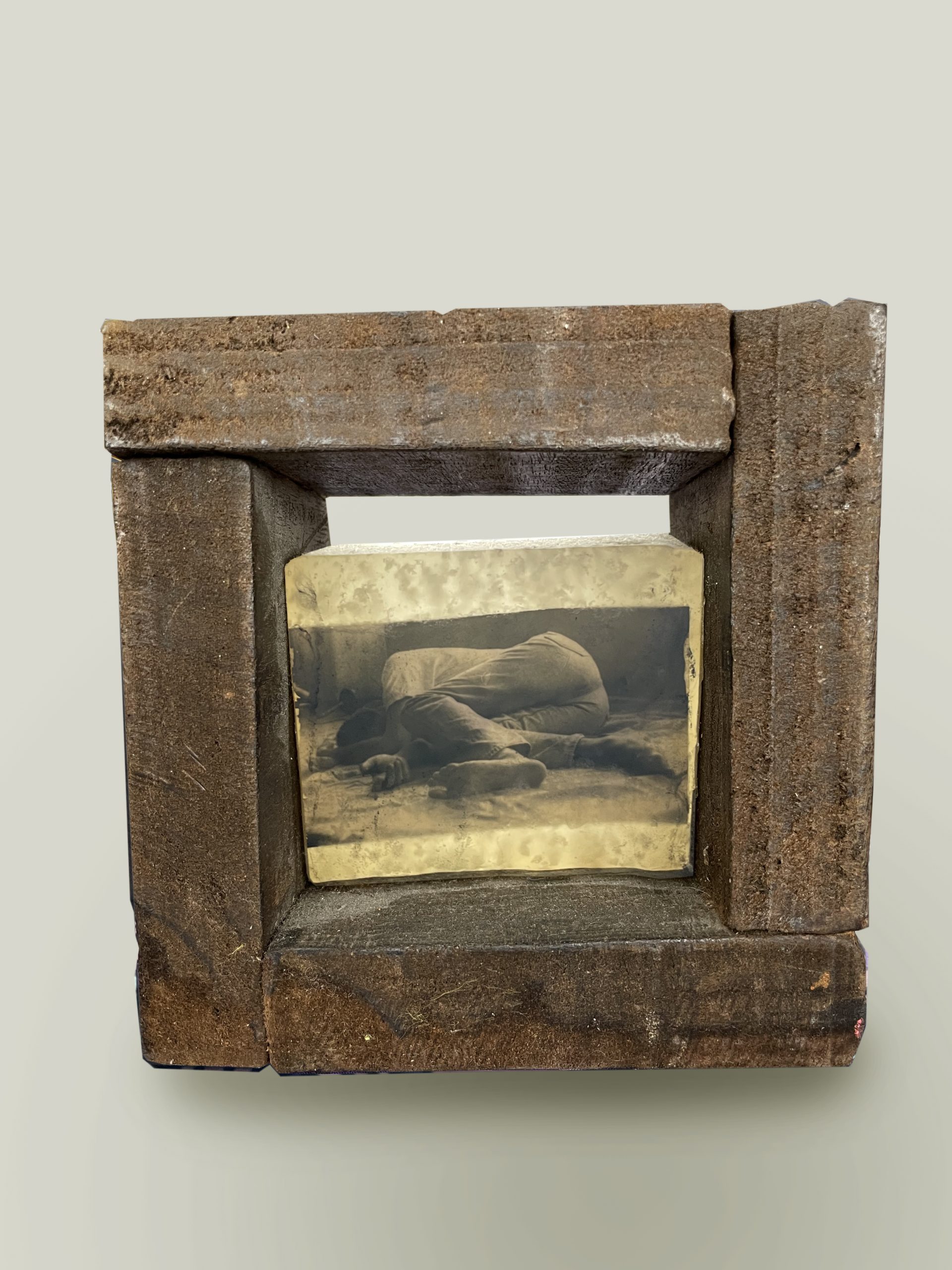
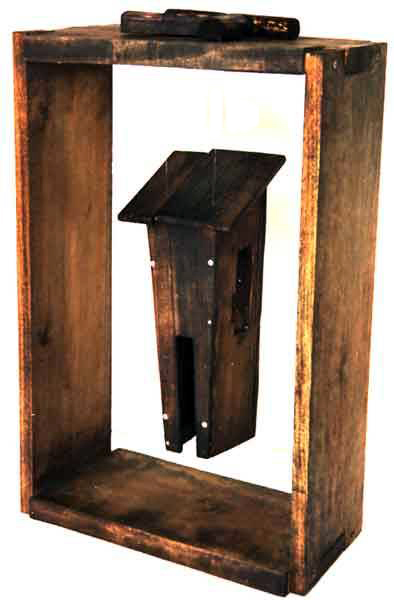
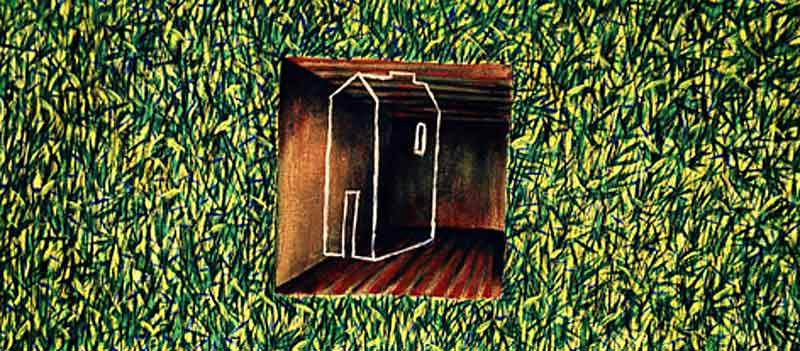
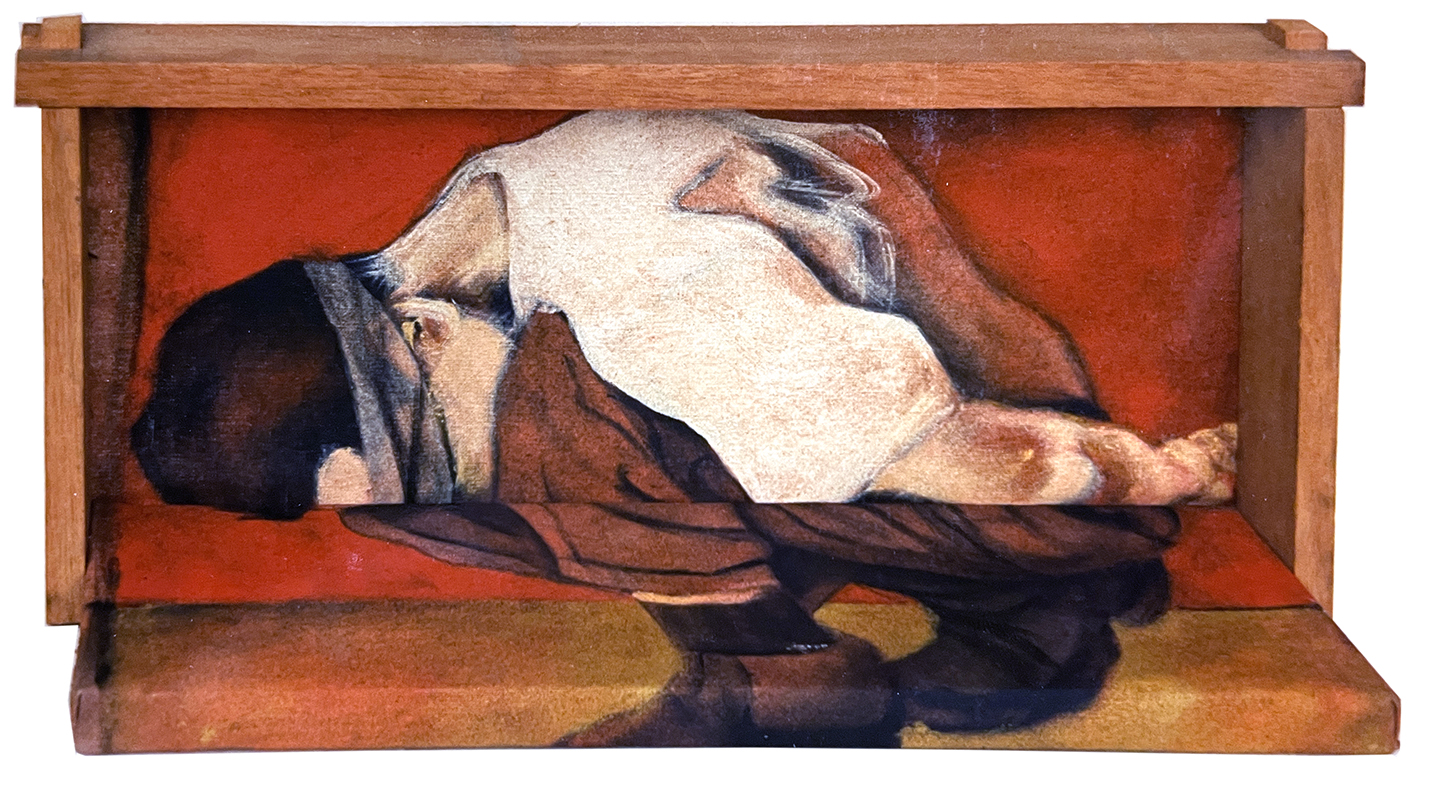
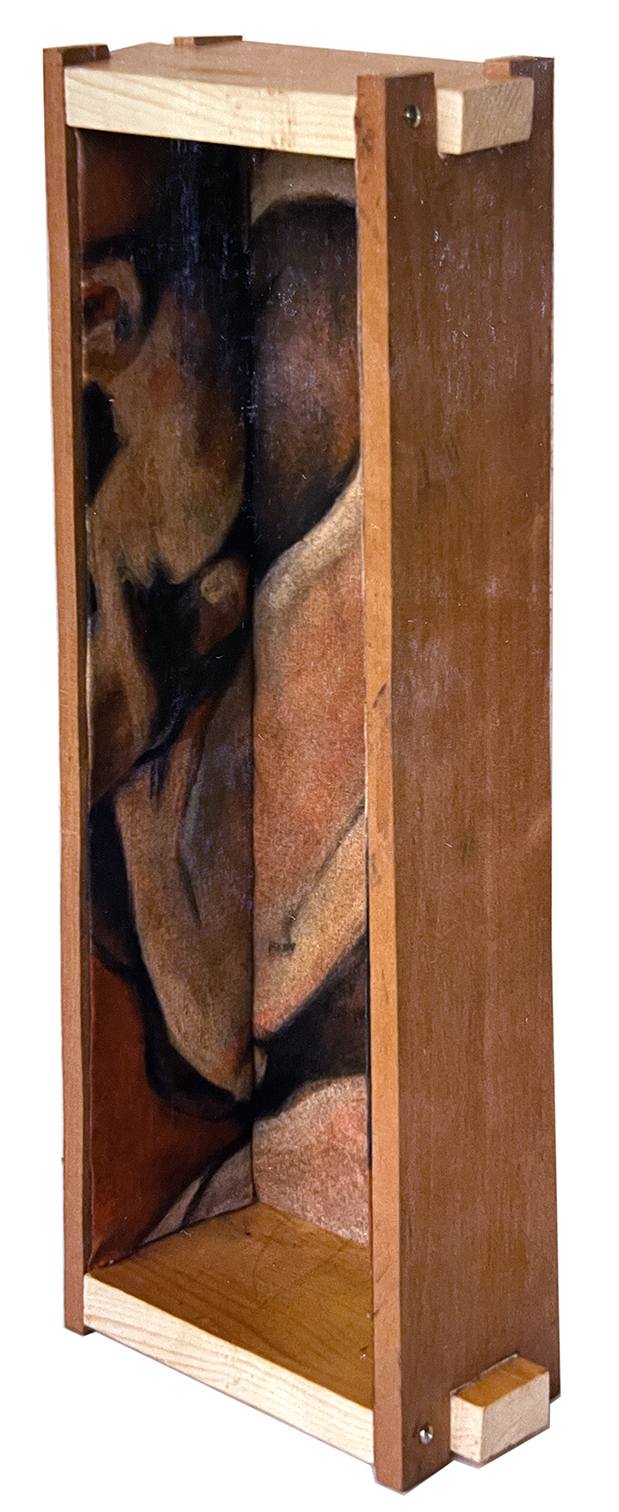
Composed of a series of paintings and small format 3-D objects made up of industrial waste materials (wood, metal, fabric, wax, and paraffin), the installation recreates rural and urban spaces where kidnapped victims in Colombia are often held hostage. At the time, approximately 1500 people were kidnapped in Colombia.
Inner Vision. 1996
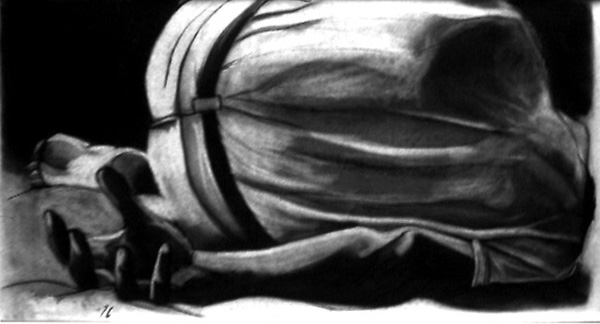
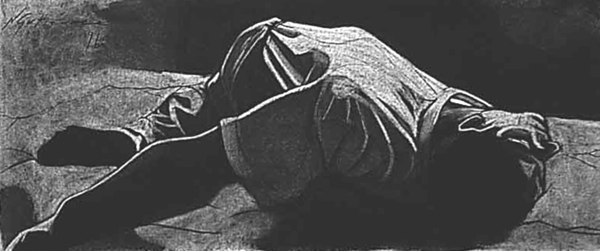
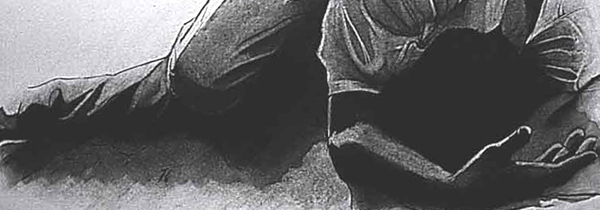
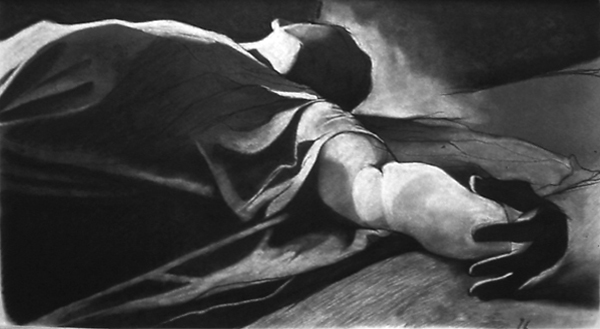
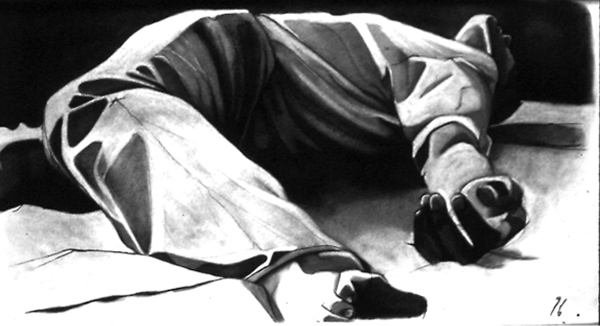
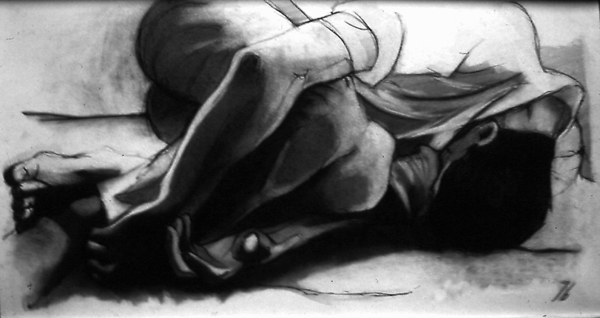
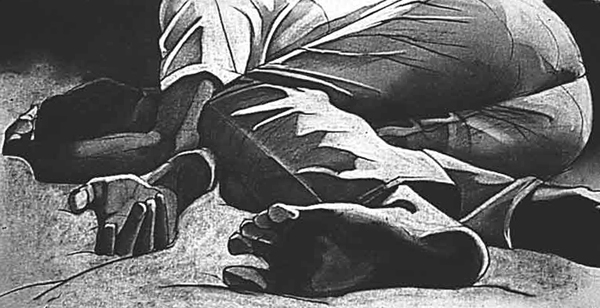
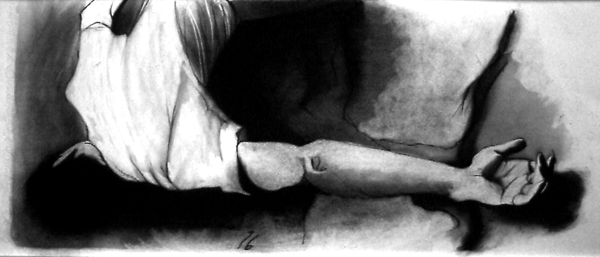
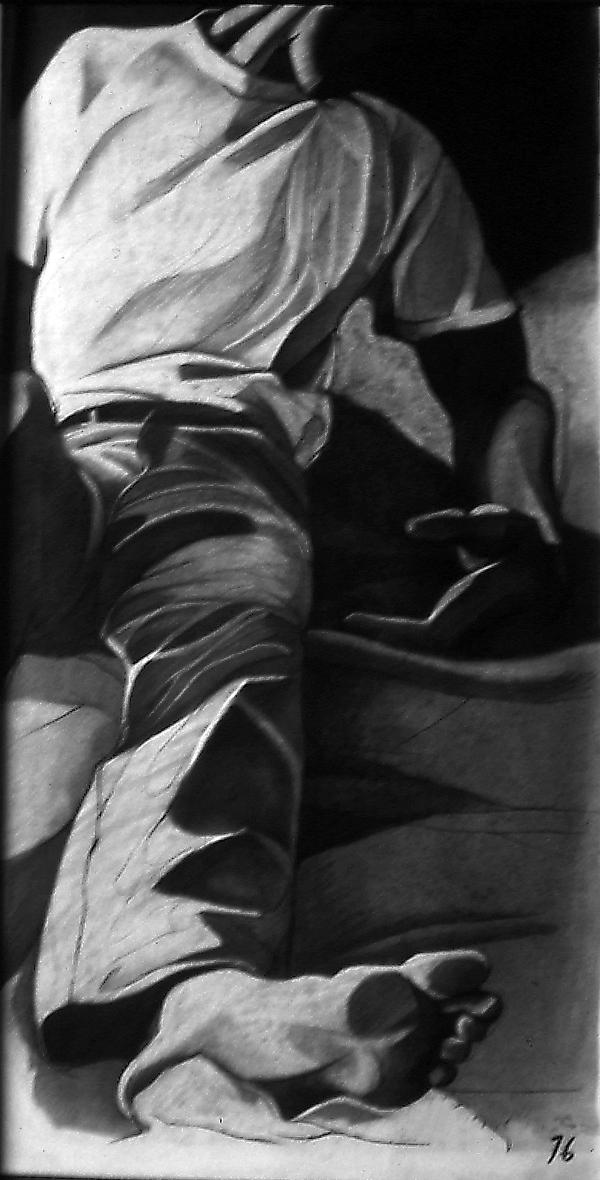
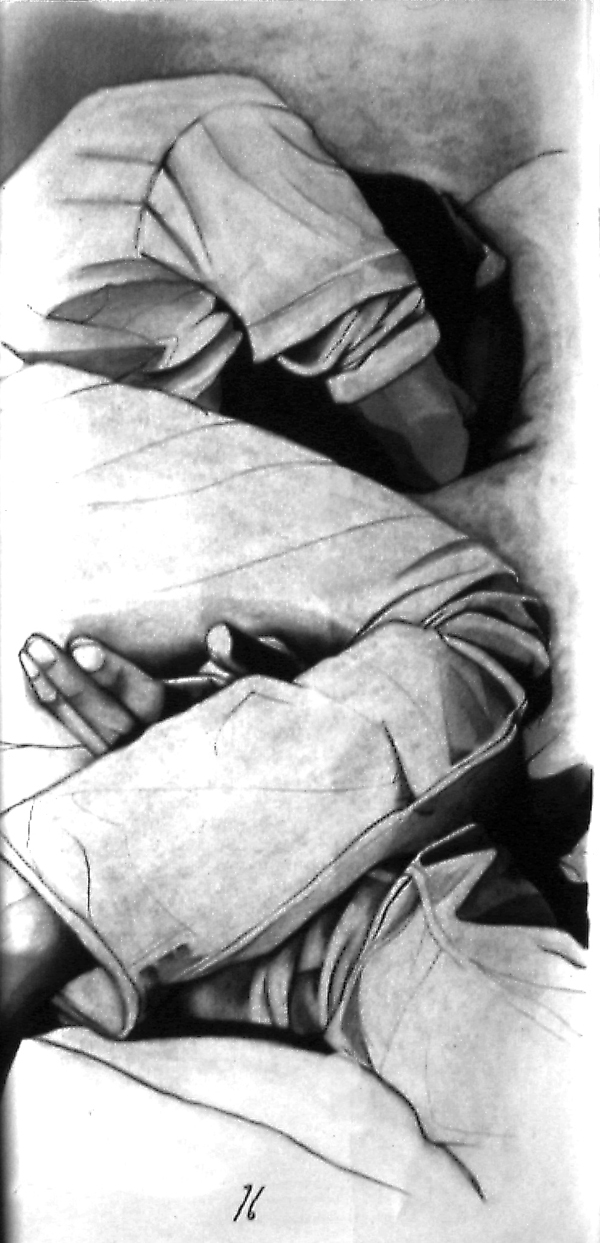
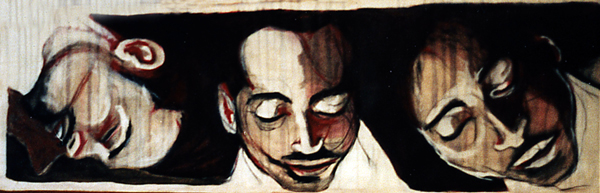
This project is a series of 35 charcoal and mix-medium self-portraits on paper that depict a series of violent massacres that took place in Uraba, Colombia’s banana growing region.
Memphis Upstanders Mural. Memphis, TN. 2016
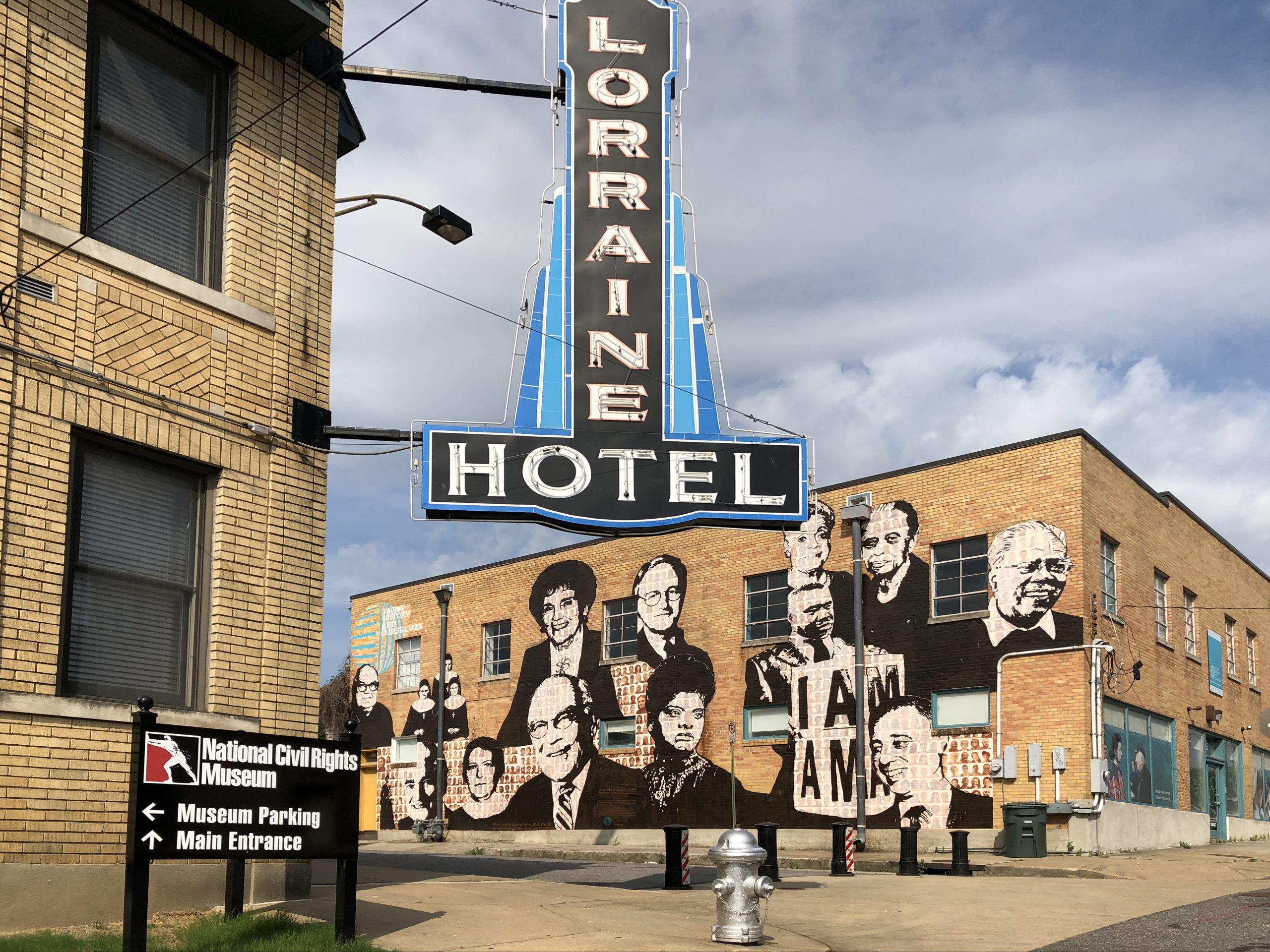
This mural is a collaboration with Cedar Nordbye to honor community-nominated Upstanders, extraordinary Memphians who embraced the challenge to speak out, stand up for others, and make decisions that have helped to create a more inclusive, just, and compassionate Memphis. We photographed local Memphians and compiled their portraits into a photographic mosaic, depicting the fourteen Upstanders as members of a community, as agents of change in a vast network of engaged citizens. Located across the street from the National Civil Rights Museum at the Lorraine Motel, the Upstanders Mural is seen by hundreds of thousands of visitors to the museum and South Main District every year. The mural expands a conversation on courage, community, and transformative action sparked by the legacy of Dr. Martin Luther King and other civil rights movement change-makers. Mural commissioned by Facing History and Ourselves with funding from the Downtown Memphis Commission. The Memphis Upstanders mural was recognized by the Public Art Network Year in Review, as one of the best public art projects in USA in 2017.